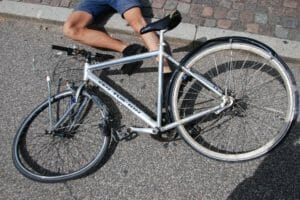

Parking garages at Las Vegas hotels and casinos are functional marvels: multi-level structures moving thousands of cars a day, where valet teams, tourists, and local traffic all converge. But their complexity and congestion make them a surprisingly common site for accidents — from fender-benders to serious pedestrian injuries. Understanding who’s responsible when something goes wrong isn’t always obvious. This article breaks down the causes, the types of accidents you’ll see, how liability is determined, and the practical steps victims should take to protect their rights.
Why parking garage accidents happen in Vegas
Las Vegas garages are packed, busy, and frequently operated under pressure. Several recurring problems contribute to accidents:
- Congestion and tight spaces. Narrow lanes, cramped parking stalls, and vehicles constantly backing or turning increase the risk of vehicle-to-vehicle collisions. During events, the volume spikes dramatically.
- Limited visibility and poor lighting. Dimly lit corners, blind curves on ramps, and confusing signage create hazards for both drivers and pedestrians.
- Valet operations. Valets move large numbers of vehicles quickly; human error, rushed handoffs, or inadequate training can cause damage or collisions.
- Slip-and-fall conditions. Oil spots, rain tracked in from outside, spilled drinks, or uneven pavement cause pedestrian accidents.
- Maintenance and design flaws. Broken barriers, potholes, malfunctioning gates, or lack of guardrails can transform a routine maneuver into a dangerous event.
The result is an environment where minor mistakes escalate quickly — and where identifying the responsible party requires careful analysis.
DEEPER DIVE: Top 10 Arizona ZIP codes people are moving to in 2025
LOCAL NEWS: 100 best places to work and live in Arizona for 2025
Common types of parking garage accidents
Accidents in garages fall into several clear categories, each with different legal considerations:
- Vehicle-to-vehicle collisions. Often involve backing incidents, low-speed impacts, or collisions on spiral ramps.
- Pedestrian injuries. Patrons walking to entrances or moving between levels are vulnerable, especially where sidewalks are narrow or poorly marked.
- Slip-and-fall incidents. Wet floors, oil spills, and cracked concrete can lead to serious injuries and liability claims.
- Valet-related damage or loss. Dents, scratches, or more serious crashes while a vehicle was under valet control.
- Structural or falling-object incidents. Collapsing fixtures, loose ceiling tiles, or falling debris — rarer but potentially catastrophic.
Each type creates a different evidence trail; the stronger the evidence, the clearer the path to holding someone accountable.
Who can be held responsible?
Liability in garage accidents is rarely a single-player story. Potentially responsible parties include:
- Hotel or casino property owner. Owners owe a general duty of care to keep their premises reasonably safe. Poor lighting, lack of signage, or failure to repair hazards can create owner liability.
- Valet company or employee. If a valet driver negligently damages a vehicle or injures someone while operating the car, the valet company — and sometimes the property owner, if valets are under their control — can be held responsible.
- Another driver. In straightforward collision scenarios, the at-fault driver’s negligence is the key. Gathering witness statements and footage helps here.
- Maintenance contractors or security firms. If third-party contractors failed to maintain structural elements, lighting, or signage, they may share liability.
- Public entities. In rare cases where the garage interfaces with city-owned infrastructure or public right-of-way, a government entity might bear some responsibility, though suing a public body often involves special notice rules and shorter timeframes.
Determining which party (or parties) are at fault involves mapping the cause of the accident to who had control over the dangerous condition or who acted negligently, and this is where the guidance of a Las Vegas Personal Injury Lawyer can help clarify legal responsibility and evidence needs.
Proving negligence: what strengthens a claim
A successful claim generally hinges on three elements: duty, breach, and causation leading to damages. Practically, victims should collect evidence that proves these elements:
- Surveillance footage. Many garages keep camera records — video can show the sequence of events, speeds, and operator actions.
- Photos and videos taken at the scene. Capture vehicle positions, skid marks, lighting conditions, signage, and any hazards (potholes, spilled liquids).
- Witness statements. Names and contact info of witnesses, including staff, are invaluable.
- Incident reports and valet tickets. The property’s official reports, valet logs, and any written statements can help reconstruct events.
- Medical records and repair estimates. Documented injuries and vehicle damage quantify the harm and tie it to the accident.
Without these pieces, insurers and defense teams often push towards lowball settlements or deny full responsibility.
What to do immediately after a garage accident
If you’re involved in an accident, your actions in the first hours and days matter:
- Get to safety and seek medical attention. Even minor pain can signal a serious injury.
- Document the scene. Take photos and short videos of vehicle positions, hazards, lighting, and surrounding signage.
- Talk to witnesses and get contact information. This includes valet or security staff present at the time.
- Ask about and request incident reports and surveillance footage. If staff claim footage exists, record the names of the people you spoke with.
- Keep all documents. Valet tickets, repair estimates, medical bills, and any communication from property or insurance representatives.
- Limit statements about fault. Don’t admit blame or sign waivers without understanding the legal import.
These steps preserve evidence and make it much easier to establish responsibility later.
What victims can recover
Compensable damages in parking garage cases commonly include medical expenses, vehicle repair costs, lost wages, pain and suffering, and — in cases of long-term disability — future care expenses. In some instances, especially where gross negligence or willful misconduct is present, punitive damages may be possible.
How legal counsel fits in
A Las Vegas Injury Lawyer experienced with premises and valet cases knows the local players, the common defense strategies, and the types of evidence that matter most — particularly surveillance footage and internal incident logs that property owners sometimes fail to preserve. An attorney helps identify all potentially liable parties, calculates damages comprehensively, and presses for preservation of records that property managers might otherwise discard.
Final thoughts
Parking garage accidents in Las Vegas hotels and casinos are more complex than they look. Crowded conditions, valet operations, and mixed ownership structures create multiple paths for liability. If you’re involved in a garage accident, quick documentation and a clear understanding of the evidence that supports your claim are essential. Knowing how responsibility is determined helps victims protect their rights and pursue fair recovery when the damage is done.