Visiting a barbershop for the first time can be both exciting and a little overwhelming. Knowing what to expect can help make the experience smooth and enjoyable. Here are 13 things to keep in mind before stepping into a barbershop for the first time.
1. A Friendly Welcome
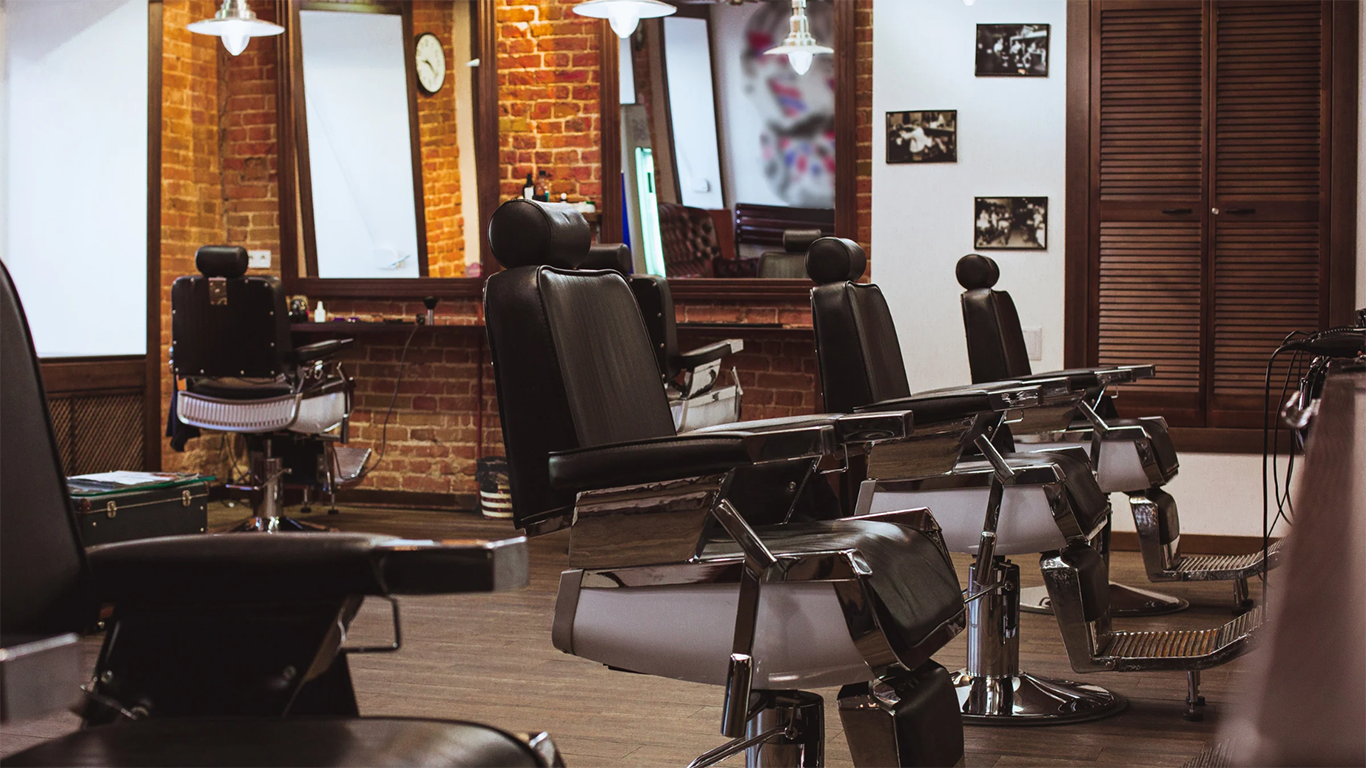
When you step into a barbershop, one of the first things you’ll notice is the warm, welcoming atmosphere. Most quality barbershops pride themselves on creating a space that feels comfortable and inviting for their customers. Whether it’s a classic shop with cozy chairs and nostalgic decor or a modern salon with sleek, polished interiors, you can expect to be greeted warmly by either a barber or a receptionist. This initial interaction sets the tone for your entire visit, as the staff strives to make sure you feel at ease from the moment you walk in.
If you arrive during a busy time, many shops will have a designated waiting area. These spaces are often equipped with magazines, newspapers, or even television to keep you entertained while you wait. Some barbershops may even offer beverages like coffee, tea, or water as a gesture of hospitality. This welcoming environment provides a moment to relax, observe the space, and get comfortable before your haircut begins. Even if there’s a short wait, expect the barbers to acknowledge your arrival and assure you that your turn is coming soon.
For newcomers, walking into a barbershop for the first time might feel a little intimidating, but this friendly welcome helps eliminate any apprehension. It’s not uncommon for barbers to engage in lighthearted conversation or even crack a joke to ease nerves and make you feel part of the community. This element of connection is what makes barbershops so unique—it’s more than just a place for a haircut; it’s often a hub for camaraderie and social interaction.
2. A Consultation Before the Cut
Before the clippers or scissors come anywhere near your head, you’ll have a consultation with the barber to discuss the style you’re aiming for. This step is crucial in ensuring the barber understands your preferences and helps you achieve the look you want. Typically, the barber might start by asking questions such as, “What kind of haircut are you looking for today?” or “Have you had this style before?” This is your opportunity to share your vision and communicate clearly about your desired outcome.
If you have a specific hairstyle in mind, bringing a reference photo can be incredibly helpful. Pictures can bridge the gap between your expectations and the barber’s understanding, leaving no room for uncertainty. A visual reference ensures you’re on the same page and prevents any miscommunication regarding the length, shape, or overall aesthetic of the haircut. Barbers often find these photos helpful, as they can instantly gauge the level of complexity and tailor their approach accordingly.
Additionally, during this consultation, the barber may provide their expert opinion and offer suggestions based on your face shape, hair texture, and personal preferences. For instance, if a particular cut enhances your facial features or complements your natural hair growth pattern, they might recommend it as an alternative. They’ll also inquire about specifics, such as whether you’d like a fade, a hard part, or a textured top, so be prepared to weigh in with your preferences.
This discussion isn’t limited to aesthetics—it can also cover practical matters like hair maintenance. A good barber will keep in mind how much effort you’re willing to invest in styling your hair daily. If you’re unsure about the terminology or different styles, don’t hesitate to ask questions. Most barbers are happy to educate you on the options and explain how they’ll tailor the cut to suit your lifestyle.
3. Different Types of Services
Barbershops have evolved significantly over the years, expanding their service offerings beyond the traditional haircut. Today, they cater to a wide range of grooming needs, making them a one-stop shop for those looking to enhance their appearance. One of the most popular additional services is beard trimming, a meticulous process where the barber uses precise techniques to shape and groom the beard to frame the customer’s face perfectly. This often includes fading or blending the beard edges into the haircut for a seamless look. Beard trims may also involve the use of beard oils or balms to condition the hair and hydrate the skin beneath.
Straight razor shaves are another hallmark service of professional barbershops. This traditional grooming experience often begins with a hot towel application to soften the skin and open the pores, followed by the use of high-quality shaving cream. The barber expertly wields a straight razor to create a smooth, clean shave, leaving the skin refreshed and smooth. For many, this service is seen as a luxurious treat due to the skill and precision involved.
Scalp treatments, which may include therapeutic massages or special conditioning treatments, are increasingly common. These sessions focus on nourishing the scalp, promoting healthy hair growth, and addressing issues such as dandruff or dryness. Some barbershops even offer specialized services for thinning hair, offering consultations and treatments to boost confidence.
Hair styling is another service barbershops are expanding into. This often involves using products such as pomades, gels, or sprays to achieve specific looks, from casual, tousled styles to sleek, formal appearances. Many barbers now also offer hair coloring services, which include anything from subtle gray coverage to bold, vibrant hues for a more dramatic transformation. This versatility allows customers to get creative and personalize their appearance.
For clients seeking a comprehensive grooming session, many barbershops bundle services together in packages, providing haircut-and-shave combinations, beard care, or even full-style makeovers. This makes it convenient for individuals to enjoy multiple services in a single visit.
4. The Importance of Clean Tools
Cleanliness and hygiene are cornerstones of a professional barbershop. The tools used by barbers—clippers, scissors, razors, combs—come into direct contact with customers during each service, making proper sanitation essential. Reputable barbershops have strict protocols in place to ensure safety and prevent the spread of infections or contamination. Clippers and scissors are frequently wiped down and sanitized between clients. Many shops use UV sterilizers or alcohol-based solutions to clean their tools thoroughly.
Razors, in particular, are handled with extra care. Most barbers now use disposable blades to ensure every customer receives a fresh, sterile razor for their shave. For tools that require repeated use, stringent cleaning processes are followed to eliminate any traces of bacteria or hair residue that could pose a risk. Additionally, barbers often wear gloves during certain procedures to further enhance hygiene.
The workstations and chairs in barbershops are also cleaned regularly, with particular attention paid to common touchpoints. Barbers might sweep and sanitize their stations between customers to maintain a clean and welcoming environment. A commitment to cleanliness not only fosters trust with clients but also reflects the shop’s professionalism.
5. The Use of a Barber Cape
The barber cape is an indispensable tool in the haircutting process, designed with both practicality and hygiene in mind. At the start of a session, the barber will carefully drape the cape over the client’s shoulders, fastening it securely around their neck to ensure full coverage. This ensures that cut hair, water, or stray product does not fall onto the customer’s clothing, allowing them to leave the shop looking as neat as when they arrived.
Modern barber capes are made from lightweight, water-resistant materials that are both durable and comfortable. They are designed to prevent hair and liquids from seeping through, keeping the client clean and free from irritation. Many barbershops also use disposable neck strips under the cape, which provide an extra layer of sanitation by creating a barrier between the client’s skin and the cape itself.
The use of a barber cape goes beyond cleanliness—it’s part of the overall experience. A well-maintained cape, often branded or stylishly designed, is a small but important detail that reflects the shop’s commitment to professionalism. After each use, the cape is typically shaken out, cleaned, and sanitized or laundered to ensure it’s ready for the next customer. This routine helps create a hygienic, pleasant setting for all patrons while making the haircut process smooth and hassle-free.
6. Clippers and Scissors in Action
The tools of a barber are as essential as their skill, and among the most iconic are the clippers and scissors. These tools play a complementary role in achieving the desired hairstyle, with each offering unique benefits depending on the specific needs of the cut. Electric clippers are especially useful for executing sharp, consistent fades, buzz cuts, or taper looks. Their motorized blades allow for precision and speed, making them the go-to tool for creating clean, even lines along the hairline or tapering lengths smoothly. Clippers often come with a variety of guards, allowing barbers to achieve different lengths and maintain consistency in the cut. This makes them essential for modern hairstyles that emphasize tight fades or undercuts.
On the other hand, scissors bring a level of artistry and control that clippers simply cannot replicate. This tool is indispensable for creating layered styles, shaping longer hair, and adding intricate detailing. With scissors, every snip is deliberate, ensuring precision in shaping and blending. Whether the goal is to achieve a textured crop, a classic side-swept look, or simply to remove split ends carefully, scissors allow for the finesse necessary to meet the customer’s request. Many barbers employ a combination of clippers and scissors throughout the haircut—for example, beginning the process with clippers to remove bulk and clean up the sides, then switching to scissors for finer detailing and shaping. This hybrid approach ensures the customer leaves with a perfectly tailored and polished style.
7. The Experience of a Straight Razor Shave
For many, the straight razor shave represents the height of luxury in barbershop services, offering a level of closeness and relaxation that is unmatched. The process often begins with the barber preparing the customer’s face by applying warm lather. This rich, foamy lather softens the facial hair and primes the skin for a comfortable shave, minimizing irritation and achieving a smooth glide. Following this, a hot towel is applied to further relax the skin and open the pores. This step not only enhances the shave but also creates a calming and indulgent experience, providing the customer with a welcome moment of respite from their daily routine.
The straight razor itself is a tool that requires exceptional skill and precision. Unlike disposable or safety razors, the straight razor provides direct control over each stroke, allowing skilled barbers to achieve an exceptionally close shave with minimal skin irritation. The gentle scrape of the blade against the skin, coupled with the sensation of the warm lather, transforms what is otherwise a mundane grooming task into an artful ritual.
After the shave, barbers often finish by applying a cooling aftershave or balm that soothes the skin and leaves a refreshing scent. Some barbershops even offer variations of this service, including a cold towel to close the pores or additional treatments like beard oil or shaping for those with facial hair. The straight razor shave is not just about achieving a clean and smooth finish; it’s about the experience itself—a luxurious, precision-driven service that has maintained its classic appeal across generations.
8. The Role of Barbershop Conversation
Barbershops are more than just places to get a haircut; they are cultural hubs that foster connection and community. For many, the friendly atmosphere and engaging conversations are one of the main reasons they return time and again. Conversations in a barbershop can range from lighthearted banter to in-depth discussions about local news, sports, or even personal experiences. Barbers, often seen as confidants or unofficial therapists, skillfully balance engaging with their customers and creating a welcoming environment for open dialogue.
Of course, not everyone seeks a chatty experience—some customers prefer to sit back and enjoy a quiet moment while the barber works. What makes barbershops special is their ability to cater to both types of clients. Barbers are adept at reading social cues, ensuring they respect personal preferences, whether the customer is in the mood for a lively exchange or a peaceful silence.
Beyond individual interactions, barbershop conversations contribute to a larger sense of connection within the community. Regular patrons often become familiar with each other, leading to friendly relationships that transcend the walls of the shop. For newcomers, the conversational aspect can break the ice and provide a glimpse into the local culture. Over time, the barbershop becomes more than just a service-oriented space—it transforms into a shared gathering spot where stories are told, relationships are nurtured, and a sense of belonging is cultivated. This balance between exceptional grooming services and meaningful human connection is what keeps the heart of the barbershop beating strong.
9. The Use of Professional Hair Products
One of the distinguishing features of a quality barbershop experience is the use of professional-grade hair products. Barbers often curate a selection of premium pomades, gels, sprays, and other styling products that are tailored to meet a variety of hair types and styling needs. These products are specifically chosen not only for their superior quality but also for their ability to help customers achieve and maintain a polished look that endures throughout the day. For example, pomades provide flexibility and hold for creating classic, sleek styles, while styling gels offer a firmer hold for more structured looks. On the other hand, lightweight sprays can add volume and texture without weighing the hair down.
Barbers are also well-versed in advising clients on which products are best suited for their hair texture, scalp condition, and desired style. They might recommend a water-based pomade for easy washability or a matte clay for a more natural, understated appearance. The barber’s expertise in applying these products ensures that the hairstyle not only looks impeccable when leaving the shop but is also manageable for the client to replicate at home. This attention to detail reflects the barber’s commitment to a high standard of service, and it highlights how professional-grade products amplify the overall grooming experience.
10. Payment and Tipping Etiquette
After the haircut, the payment process is a straightforward yet important part of the barbershop visit. Payment can typically be made at the counter or directly to the barber, depending on the shop’s protocols. Many modern establishments now accept various forms of payment, including cash, credit cards, or digital payment methods, making the process more convenient for customers.
Tipping, while not mandatory, is highly appreciated and a common practice to show gratitude for excellent service. A general tipping norm in many regions is around 15-20% of the total cost of the haircut. For outstanding service or special attention to detail, some customers may choose to tip above this range. If the service includes additional grooming treatments such as beard trims or styling consultations, it’s thoughtful to include those efforts in the gratuity amount. While a tip is a monetary gesture, it also communicates recognition of the barber’s skill, precision, and care during the appointment.
For those who regularly visit the same barber, consistent tipping contributes to building a strong rapport. A well-tipped barber may go the extra mile in providing personalized recommendations, ensuring availability, or even squeezing in last-minute appointments. Additionally, in smaller or long-standing barbershops, tipping also supports the livelihood of skilled artisans and reinforces the sense of mutual respect that underscores the relationship between barbers and their clientele.
11. Booking Future Appointments
Securing future appointments is an increasingly common step in maintaining well-groomed hair, especially for clients with specific preferences or tight schedules. While some barbershops continue to accommodate walk-ins, many have transitioned to an appointment-based model to ensure a smoother and more organized experience for both clients and barbers. For popular barbershops with high demand, early booking is often essential to reserve a spot with a preferred barber, particularly during busy times such as weekends or holidays.
Clients satisfied with their haircut often take this opportunity to schedule their next visit before leaving the shop. This proactive approach eliminates the hassle of last-minute arrangements and guarantees consistency in their grooming routine. Barbershops typically offer flexible booking options, ranging from in-person scheduling to online platforms or mobile apps, making it convenient to secure a time slot that aligns with the client’s availability.
Booking a recurring appointment is particularly advantageous for clients who prefer to maintain specific hairstyles requiring regular upkeep, such as fades or shaping cuts. For barbers, scheduled appointments allow them to allocate adequate time to each client, providing a more personalized service and minimizing waiting times for others. This practice benefits both parties, fostering an environment of efficiency and satisfaction. By ensuring availability and continuity, booking future appointments also strengthens the client-barber relationship, reinforcing trust and reliability in the professional grooming experience.
12. A Relaxing and Social Experience
Barbershops are much more than just places where people get their haircut; they are hubs of camaraderie and connection. Walking into a barbershop, whether it’s a renowned barbershop or a quaint local establishment, one is often greeted with a warm and welcoming atmosphere. The hustle and bustle within these spaces create a rhythm that is both lively and comforting. Conversations fill the air—from sports and current events to lighthearted banter—making the experience interactive and enjoyable for many patrons.
What sets barbershops apart is their ability to cultivate a sense of belonging. Many customers form strong, long-term relationships with their barbers, building trust over time. This bond is rooted in shared experiences, consistency, and understanding. Regular visits to a barbershop often become a ritual, a moment of relaxation where clients can unwind and engage in meaningful or casual conversations. For some, the barbershop acts as a social space, fostering connections among clients who frequent the same establishment. The result is an environment that feels like part of a greater community, offering comfort and familiarity in an otherwise busy world.
13. Confidence in the Final Look
One of the quintessential moments in a barbershop visit is the reflection of the final result. After completing the haircut, the barber skillfully uses a hand-held mirror to provide a comprehensive view of the client’s fresh style. This moment is critical because it confirms that the haircut aligns with the customer’s expectations while giving them the opportunity to suggest any final adjustments or tweaks.
A professional barber doesn’t just cut hair; they craft a personalized style that complements the client’s facial features, personality, and preferences. By taking the time to perfect even the smallest details, they instill a sense of pride and confidence in the customer. The result is more than just a haircut—it’s an enhancement of the client’s overall appearance and self-assurance. Barbers are highly attuned to trends and techniques, ensuring that the customer steps out showcasing a contemporary and stylish look. This attention to detail and dedication to customer satisfaction solidifies the trust between the barber and their client, making each appointment a rewarding and confidence-boosting experience.
Conclusion
A first visit to a barbershop can be a great experience with the right preparation. Understanding what to expect helps build confidence and ensures a satisfying haircut. Whether it’s a classic trim or a modern style, a visit to the barbershop is more than just grooming—it’s a personal care experience.