For Arizona’s pet rescue community, “access” has been called a simple solution. If these animals have “access” to appointments, providers, and preventive care, future litters will not strain the system.
“Too Much of a Good Thing” — a partnership between PACC911, Dr. Kelly’s Surgical Unit and Lulu’s Fund — is hoping to create this breathing room.
The initiative funds spay-and-neuter surgeries for animals served by PACC911’s Arizona rescue partners. The cycle of appointments, surgeries, care and resources has repeated 522 times.
“Every rescue organization we work with is trying to help as many animals as possible with limited funding, limited time and an overwhelming level of need,” said Bari Mears, president and founder of PACC911.
“When the cost of a spay or neuter surgery is covered, that organization has more room in its budget to save another animal. Multiply that across 522 surgeries, and the impact reaches far beyond the animals receiving care today.”
DEEPER DIVE: 10 Arizona restaurants make Yelp’s Top 100 Mexican food spots
The partnership came about organically. Lulu’s Fund covers the cost of the surgeries, PACC911 connects rescue partners with available appointments, and Dr. Kelly’s provides the care.
The support is especially valuable during the fall puppy and kitten season, when entire litters can arrive within days.
“This program gives our partners breathing room,” said Michon Javelosa, operations director of PACC911. “It means they can address overpopulation proactively while keeping resources available for the next urgent call.”
Access challenges extend beyond rescue organizations. Pet owners outside major metro areas may have fewer general practices nearby and even fewer specialty or emergency options.
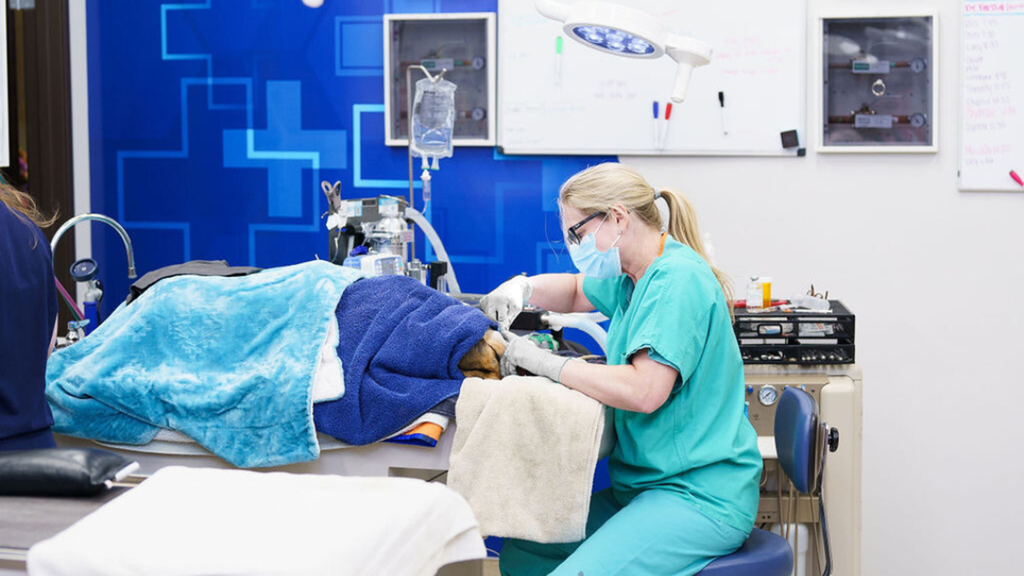
“For some families, getting care means taking time off work, driving a significant distance and coordinating everything around that,” said Doug Patriquin, co‑founder and CEO of Dr. Kelly’s Surgical Unit. “The geography and the logistics can compound each other very quickly.”
Dr. Kelly Patriquin, DMV, who co-founded Dr. Kelly’s Surgical Unit, said waiting out symptoms may make treatment more difficult.
She encourages pet owners to ask for the surgeon’s name, how anesthesia will be monitored, what medications are included and what follow‑up care is available.
“Families should feel comfortable asking how their pet will be monitored and what happens if there is a concern after surgery,” she said.
That experience now aligns with Lulu’s Fund’s long history of supporting lifesaving treatment. The fund’s relationship with PACC911 began in 2012 with a grant from the Timothy T. Day Foundation, which launched PACC911’s Critical Care Program. Since then, the program has helped save more than 14,000 animals and has distributed approximately $8.8 million in assistance.
“This works because every partner brings something essential,” Dr. Patriquin said. “PACC911 knows the rescue community, Lulu’s Fund makes the care possible and our team is ready to provide it. Together, we can create an impact no organization could achieve alone.”