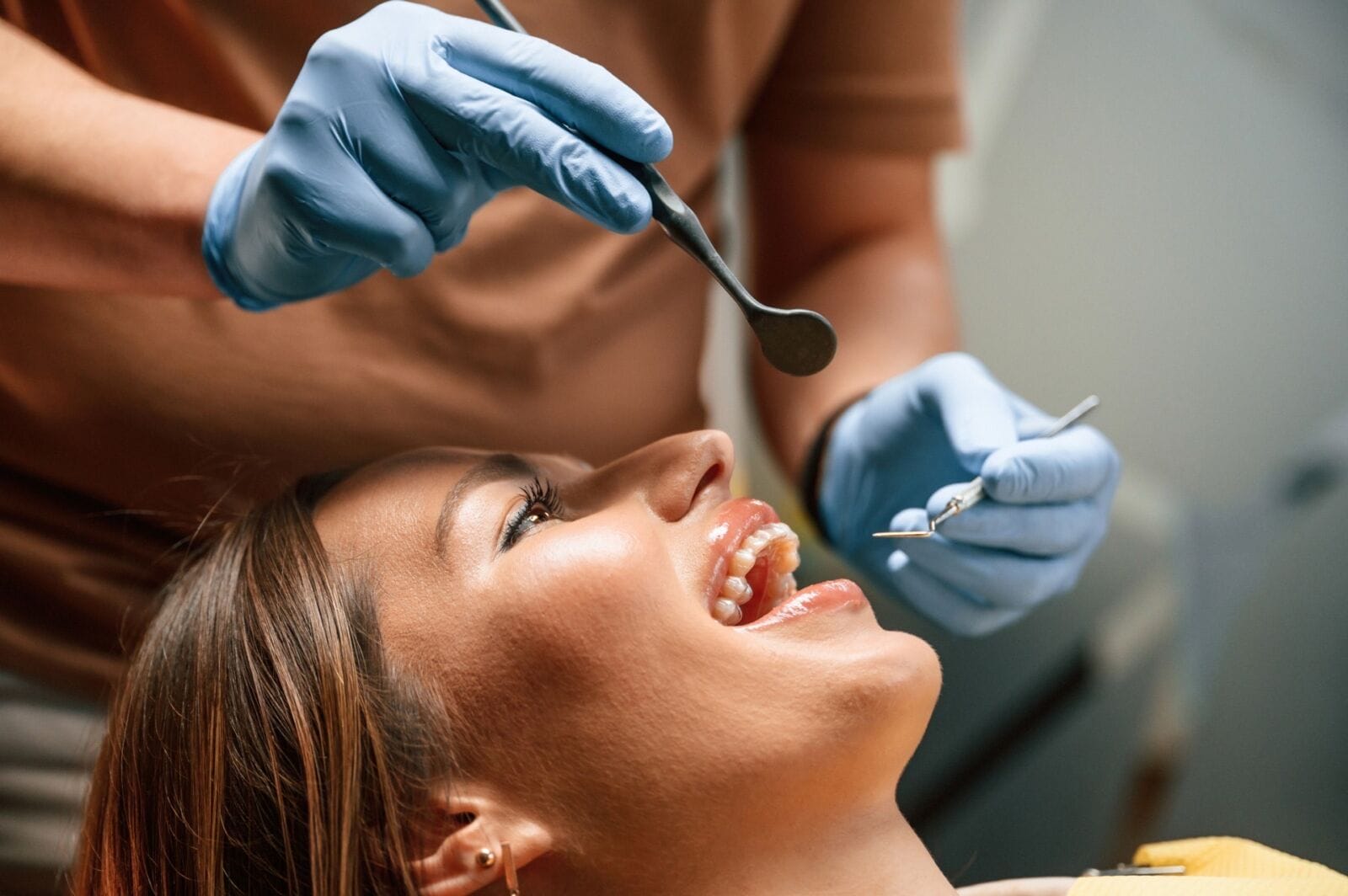
Most families budget for rent, groceries, and car payments, but dental care often gets treated as an afterthought until a bill arrives that throws everything off. Average dental costs per year can vary widely depending on a handful of factors most people never think to consider, from age to insurance to how quickly small issues are treated. This guide from Great Expressions Dental Centers walks through what actually drives that number and how to plan around it.
What This Guide Covers About Dental Costs
- Routine visits and occasional bigger procedures make up most of the annual dental spending
- Age, insurance, and how quickly problems get addressed all shift the total
- Dental insurance costs matter more than the sticker price on any single visit
- A simple family dental budget can absorb most surprises without derailing finances
What Drives Average Dental Costs Per Year?
The short answer is that it depends on what your mouth needs in a given year. A patient who only needs routine cleanings will generally spend far less than someone managing a filling, a crown, or braces.
A handful of factors shape the total every year:
- How often do preventive visits happen, since some people need more frequent checkups
- Whether a filling, crown, or root canal comes up during the year
- Orthodontic or cosmetic work, which usually falls outside a standard annual budget
- The strength of a dental insurance plan and what it actually covers
None of these factors really work in isolation. Someone with solid coverage and no restorative needs tends to land on the lower end, while a person catching up on delayed care can see a much higher total for that year alone. A single busy year doesn’t usually repeat itself, since most of the extra cost comes from clearing a backlog rather than an ongoing pattern.
How Age and Life Stage Change What You Pay
Dental spending rarely looks the same across a family. Kids often need more frequent monitoring as adult teeth come in, and teenagers are the group most likely to need an orthodontic evaluation.
Adults typically shift toward restorative spending, especially once an old filling or a slow-forming cavity finally needs attention. Knowing where each family member sits in that pattern makes it easier to guess which visits are routine and which could turn into a bigger bill.
Retirees and older adults sometimes see costs shift again, since decades of dental work can mean more crowns, bridges, or other restorative care reaching the point where it needs replacing. Dry mouth from certain medications, common later in life, can also raise the risk of new cavities, which is something to flag at a checkup instead of dismissing it as unrelated.
Does Dental Insurance Actually Lower Your Costs?
Yes, in most cases, though how much depends on the plan. Two people getting the same treatment can end up with very different bills once insurance coverage and plan details are factored in.
A few plan details are worth checking before assuming coverage will help:
- Whether preventive visits are covered at or near 100 percent
- Whether there’s an annual cap on what the plan pays out
- Whether a preferred dentist is actually in that plan’s network
Patients without insurance still have options, including payment plans that spread a larger procedure’s cost over several months instead of requiring it all at once. Checking network status matters too, since in-network visits are usually billed at a pre-negotiated rate, while out-of-network care can come with higher, less predictable costs.
A plan with strong preventive coverage often does more to lower average dental costs per year than a plan built mainly around discounts for major work, since most families use preventive benefits far more often.
What Should You Budget for a Typical Year?
Most of a typical year’s spending comes from two routine cleanings and exams, which cost far less than any single restorative procedure. Average dental costs per year stay lowest for households that keep up with those two visits and catch small issues before they grow.
A year that includes a filling, a crown, or orthodontic work will naturally run higher, and that’s normal, not a sign that something went wrong. Building a little flexibility into a family budget covers both the quiet years and the busier ones.
When Should a Dental Problem Not Wait?
Waiting on a minor issue almost always costs more later than addressing it early. Sensitivity to hot or cold, a dull ache that comes and goes, or a visibly darkening spot on a tooth are all reasons to schedule a visit rather than wait it out.
Bleeding or swollen gums after brushing are also worth mentioning at a visit, since gum issues tend to get more involved, and considerably more expensive the longer they go unaddressed. Catching a small cavity early is almost always simpler and less costly than treating one that has spread to the nerve.
A Trusted Name Since 1982
Founded in 1982, Great Expressions Dental Centers has grown to 246 locations across Connecticut, Florida, Georgia, Massachusetts, Michigan, New Jersey, New York, Ohio, and Texas. For nearly 40 years, the practice has focused on preventive care, orthodontics, specialty care, and cosmetic dentistry in the communities it serves.
How to Build a Realistic Family Dental Budget
A workable budget for the whole family starts by separating predictable costs from occasional ones. Routine cleanings for each family member are a known, recurring expense that’s easy to plan for well in advance, unlike a procedure that shows up without much warning.
Larger procedures are harder to predict but not impossible to plan for ahead of time. Setting aside a modest amount specifically for dental care, apart from a general emergency fund, gives a family room to absorb a surprise without much stress. A flexible spending account or health savings account helps too, since either lets a family set aside pre-tax dollars for routine and unexpected visits alike. Checking what an employer offers before the plan year starts makes this an easy habit to build into an annual budget, and it costs nothing but a few minutes to compare against whatever a family already has.
Families juggling multiple dependents sometimes find it useful to estimate costs per family member rather than as one combined total, since kids, teens, and adults usually need different kinds of care in the same year. Reviewing an insurance plan each year during open enrollment, instead of assuming last year’s choice still fits, can catch a better annual maximum or lower deductible before it’s needed.
Planning for Predictable Dental Care
Average dental costs per year come down to a mix of predictable visits and the occasional larger procedure, shaped heavily by insurance coverage and how quickly small issues get addressed. Keeping up with two preventive visits annually remains one of the more reliable ways to keep that number steady.
Great Expressions Dental Centers has built its approach to care around exactly this kind of long-term planning.
Find a Great Expressions Location Near You
If you’re ready to get a clearer picture of what your family’s dental year might look like, find a Great Expressions Dental Centers location near you to talk through a plan that fits your budget.