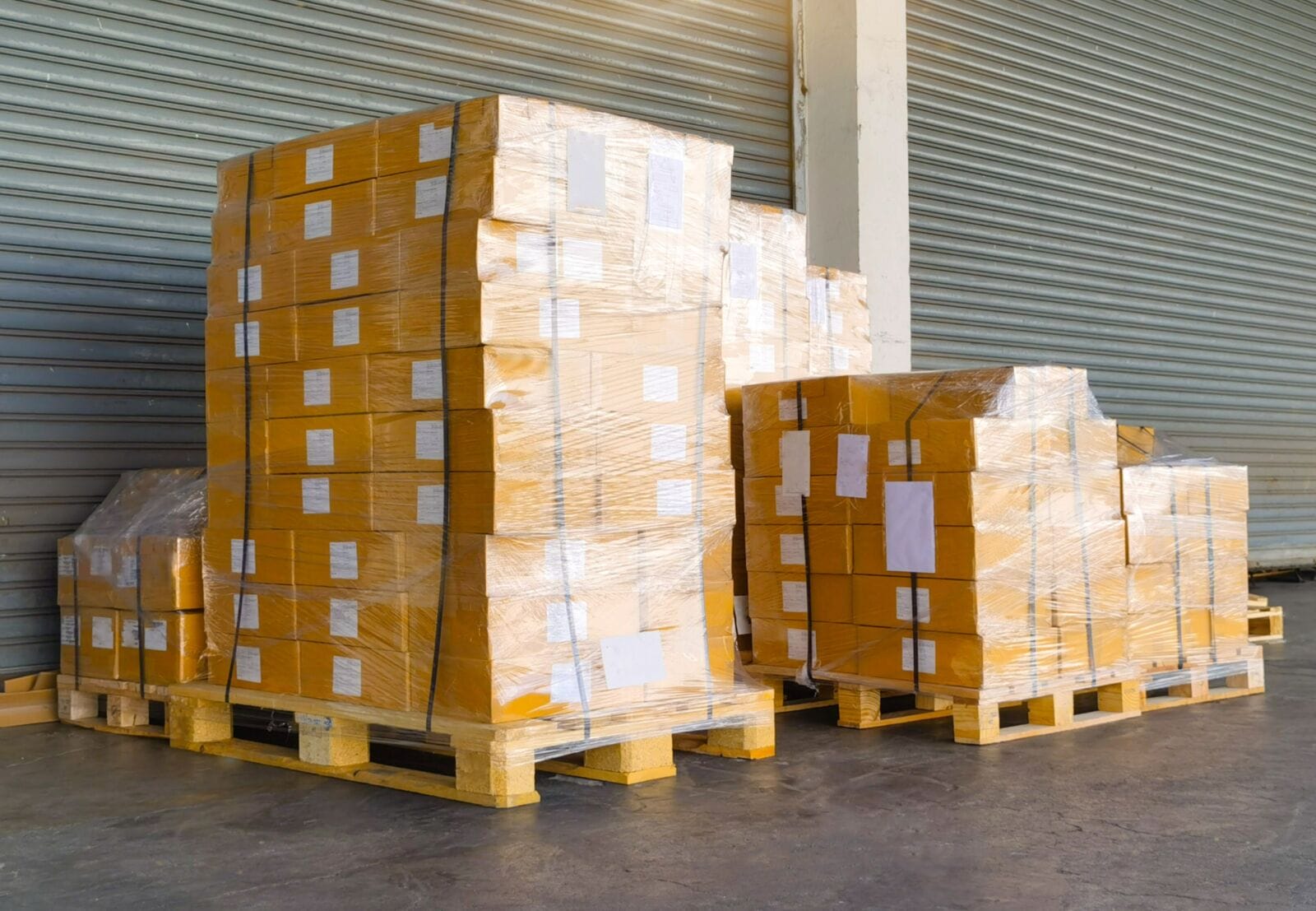
Stability during transport remains a top concern for manufacturers, third-party logistics providers, and distributors as supply chains become more complex. Unstable pallet loads put products, people, and reputations at risk. The consequences include costly damage, workplace injuries, and higher insurance claims tied to transit incidents. To minimize these risks, many operations have begun integrating anti-slip sheets into their shipping processes, recognizing that improvements in friction can have a substantial effect on load integrity from the warehouse to final delivery.
Pressures driving the shift in load securing
Several industry pressures are accelerating the shift toward advanced load-securing solutions. Shipping cycles have tightened, requiring faster throughput and more reliable arrival times. When loads shift and products arrive damaged, fulfillment slows and customer dissatisfaction rises. Labor constraints in warehouses, especially as facilities automate or work with fewer staff, have heightened the need for materials and processes that reduce manual intervention while supporting consistent results.
The drive for efficiency also means more mixed-product and non-uniform pallet builds, which present greater stability challenges than single-SKU shipments. These trends increase reliance on specialized anti-slip materials and require solutions that can adapt quickly to changing product mixes and fulfillment demands.
MORE NEWS: Atari Hotels breaks ground in Roosevelt Row
DEEPER DIVE: 10 Arizona restaurants make Yelp’s Top 100 Mexican food spots
Advancements in friction materials and coatings
Material science is reshaping the performance of anti-slip solutions, bringing options that work reliably across varying temperatures, humidity levels, and packaging types. Today’s friction-enhancing sheets and coatings are designed for stable performance whether loads are stored in a refrigerated facility or shipped in warm, humid environments. Consistency matters, particularly for goods like beverages or consumer packaged products, where condensation and stacking variety are common.
Coatings can provide enhanced friction without adding significant bulk or interfering with stretch wrap or pallet strapping. Manufacturers have engineered these materials to maintain grip even as products settle or shift slightly in transit, reducing the likelihood of slippage and the need for excess packing material.
Fitting anti-slip technologies into operations
Integrating anti-slip technologies into existing facility processes requires careful planning. Materials need to work seamlessly with current palletizing methods, stretch wrapping machinery, and automated or semi-automated lines. Some pitfalls include incompatibility with high-speed applications or materials that jam automated handling systems. Assessing compatibility upfront and involving operations staff in trial runs helps avoid rework and downtime, ensuring they deliver their intended value.
Sector-specific applications and benchmarks
Adoption rates for advanced anti-slip materials are often higher where stability demands are strictest. Beverage distributors require secure pallets to prevent shifting glass, while building materials companies contend with heavy, irregular items. In consumer packaged goods, where branding and package integrity are crucial, good performance can mean fewer instances of tipping or crushing across a variety of carton sizes. Each sector defines “good enough” differently, balancing cost, speed, and acceptable risk levels to guide implementation.
Safety and compliance documentation
Enhancing load integrity is also about protecting goods. It can be a factor in reducing workplace hazards like falling boxes during transport or unloading. Facilities increasingly document their standards and training protocols for load securing to demonstrate compliance with applicable guidelines and satisfy insurer requirements. Proper recordkeeping also supports continuous improvement and can be essential if claims arise after an incident.
Key metrics for measuring progress
Practical KPIs help you assess the real-world impact of new load-securing methods. Trackable metrics include the incidence rate of product damage, time spent on rework or repalletizing, rejected loads by customers, stretch wrap or strap usage, unscheduled downtime from load failures, and changes to total landed cost. Monitoring these factors offers clear insight into whether a new solution provides measurable gains or needs further refinement.
Innovation on the horizon
Near-term progress is likely to be driven by improved testing standards and increased automation. Facilities are evaluating protocols that simulate real transport conditions in order to generate more consistent performance data. As automation expands, new anti-slip materials are being developed specifically for robotic palletizing and handling, supporting greater reliability and reduced total costs in future load-securing strategies.