Arizona has become one of the easier places in the country to start a small consumer brand. Rents are lower than on the coasts, shipping lanes run in every direction from Phoenix and Tucson, and the population keeps growing. That mix has produced a steady stream of food trucks, fast casual restaurants, bakeries and wellness brands, many of them run by founders who are buying packaging for the first time.
Packaging is one of those decisions that looks simple until the first order arrives. A box that is slightly too big costs money on every shipment. A wrap that soaks through ruins a sandwich. A carton that crushes in a Phoenix summer turns a good product into a refund. This piece looks at how two very different kinds of local startup, restaurants and small wellness brands, are approaching the problem.
Restaurants Are Treating Paper as Part of the Brand
For a restaurant, the most visible packaging is often the cheapest. The sheet of paper wrapped around a burger or a breakfast burrito is seen by every customer, photographed for social media and handled for the length of the meal. Owners who used to buy plain deli sheets by the case are now printing their logo on them, because it costs relatively little and puts the brand into every hand.
Suppliers of custom wax paper for restaurants make that easy for small operators. Their minimums start at 500 sheets, every material and ink is made for direct food contact, and printing runs from a clean single-color logo to a full-surface pattern. Orders ship free from Pennsylvania to every state, which matters for a single-location restaurant that cannot absorb freight on a small run.
The practical advice from operators who have done it is to match the paper to the food. Wax and greaseproof papers handle different jobs, and a burger, a pastry and a deli sandwich do not all want the same sheet. Asking the supplier which stock suits the menu, rather than ordering one paper for everything, avoids the soggy-wrap complaints that show up in reviews.
Heat Is the Arizona Variable Nobody Plans For
Every packaging conversation in Arizona eventually comes back to heat. A delivery van parked in July can be far hotter inside than the air outside it, and that affects adhesives, coatings and anything sensitive inside the box. Restaurants feel it in grease and condensation. Wellness brands feel it in product integrity and in returns.
The fix is rarely an exotic material. It is usually a better specification. Choosing board grades for the real journey rather than the shelf, leaving room for a liner or insert where temperature matters, and testing a sample in local conditions before committing to a full run all reduce the number of surprises. Founders who have shipped through a summer tend to ask for samples first and quantities second.
Wellness Brands Need Packaging Built for the Journey
Small wellness and lab-supply brands face a different problem from restaurants. Their products are small, often in glass vials, and they travel by courier rather than across a counter. The outer shipper has to survive sorting machines, drops and stacking by people who have no idea what is inside.
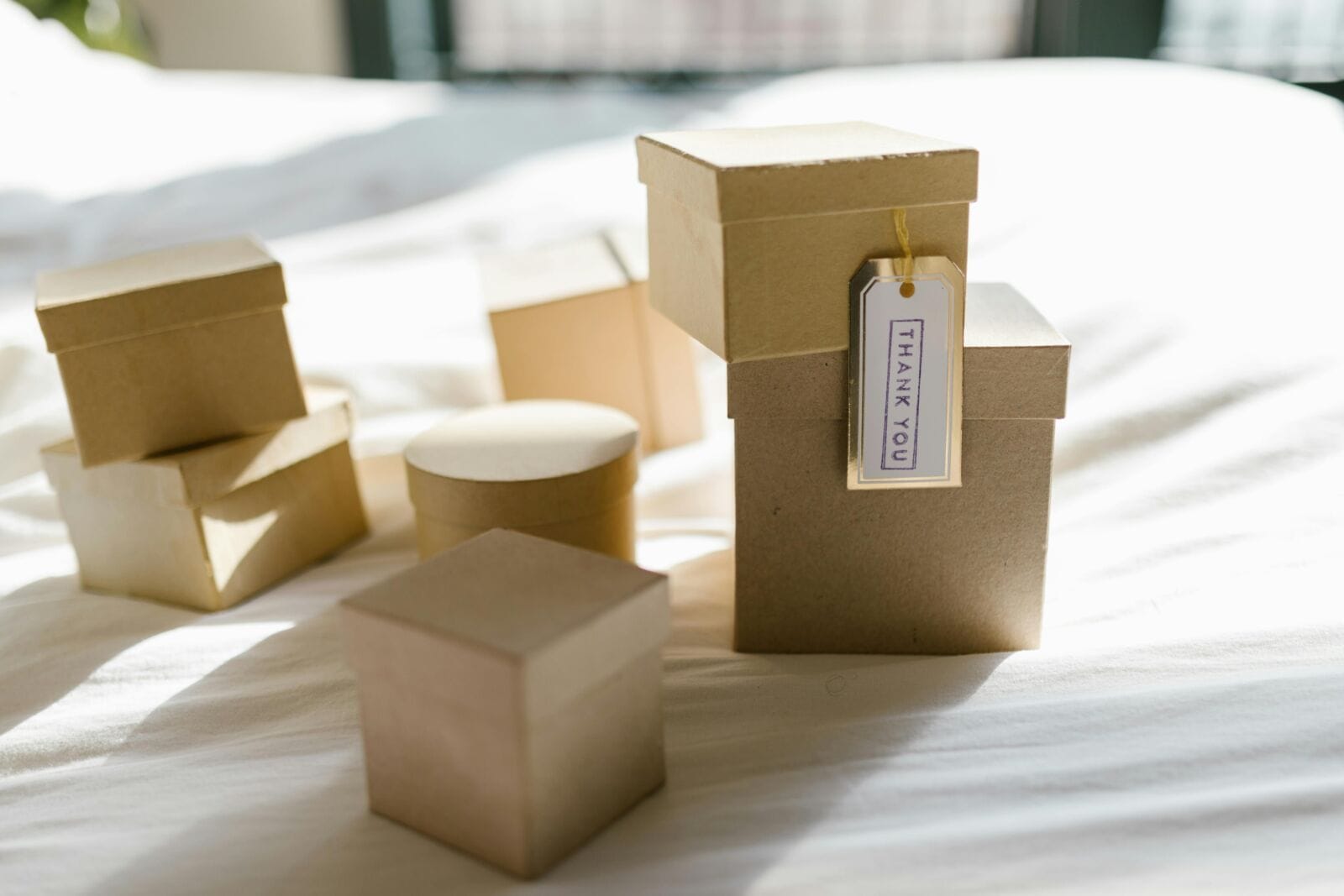
Makers of peptide shipping boxes start from that journey. They describe a shipping box as a different job from a product box, with board grade specified against the loaded weight and stacking height rather than picked from a standard size chart. Options include corrugated shippers that arrive flat and are erected during packing, insulated mailers with a liner fitted inside a corrugated shell, dividers for multiple units, and a clear matte label panel where carrier labels stick reliably. Samples are produced in the configuration a brand wants to test, and assembled samples are loaded to the stated weight and checked for base and corner integrity.
For a founder, the useful lesson is to send the supplier the whole picture. The product boxes, the number of units per order and the shipping method all change the right shipper. A box designed around that information usually costs less over a year than one chosen from a catalog and padded with filler.
Startups Are Ordering Smaller Runs More Often
One change that cuts across both groups is the move to shorter, more frequent orders. Digital printing and lower minimums mean a brand no longer has to buy a year of packaging to get a decent unit price. A restaurant can test a new paper design for a season, and a wellness brand can adjust its shipper after the first few hundred orders.
That flexibility suits Arizona’s startup economy, where many businesses are still finding their footing. It also keeps cash free for inventory, staff and marketing. The trade-off is a little more planning, because reorders need to be placed before stock runs out rather than when the last case is opened.
Questions Arizona Founders Should Ask Before Ordering
A short list of questions saves most of the pain. What is the minimum, and how does price change at the next quantity break? Is the material food-safe or product-safe for what goes inside? How long does production take after proof approval, and is shipping included? Can I see a sample before the full run?
Founders should also ask how the packaging will be stored. Flat-shipped boxes and stacks of paper take far less space than assembled cartons, which matters in a small kitchen or a shared warehouse unit. A supplier who asks about storage and the delivery route is usually one who has seen what goes wrong.
Packaging as an Early Advantage
For a new brand competing with established names, packaging is one of the few places where a small company can look as considered as a large one. A printed wrap with a clean logo, or a shipper that arrives intact with every vial in place, tells a customer that the business takes care with details. In a growing market like Arizona, that first impression often decides whether a customer comes back, and getting it right does not require a big budget, only the right questions asked early.