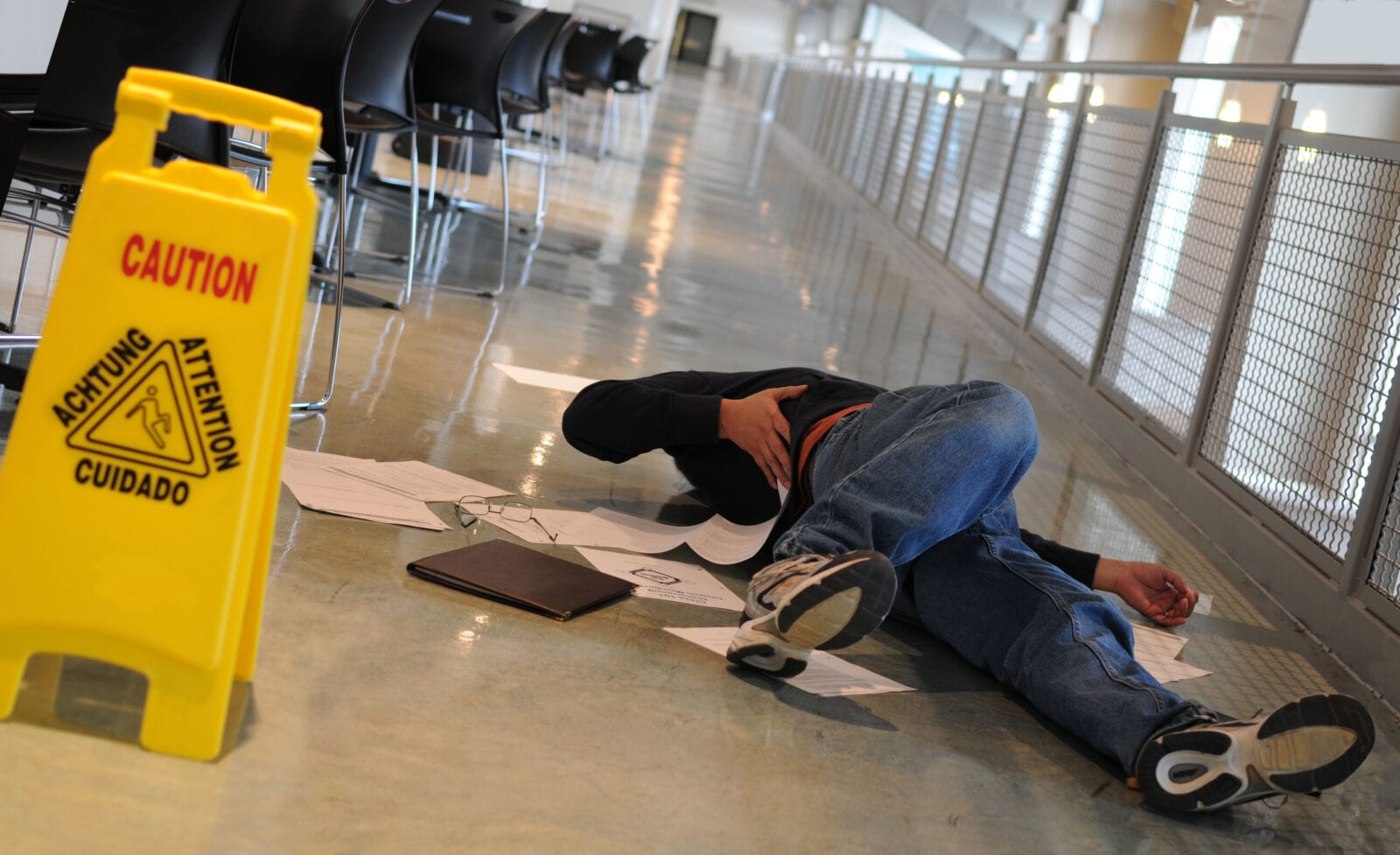
Falls happen in places people don’t expect them. A wet tile inside a big-box store. A cracked sidewalk outside a strip mall. A poorly lit stairwell in an office building. In Odessa, where commercial properties, oil field supply yards, and high-traffic parking lots are spread across the city, slip and fall injuries send people to the emergency room with fractured hips, head injuries, and torn ligaments. The medical bills hit fast. The recovery is often slow.
An Odessa personal injury lawyer can help injured individuals figure out whether the property owner is legally responsible and whether a claim is worth filing. The answer depends on what the owner knew about the hazard, how long it was there, and what they did or did not do about it.
What Negligence Means in a Slip and Fall Case
Property owners have a legal duty to keep their premises reasonably safe. That does not mean every surface has to be perfect. It means the owner has to take reasonable steps to identify hazards and either fix them or warn visitors about them.
Negligence occurs when the owner fails to meet that duty. A grocery store that mops a floor and does not put out a “wet floor” sign. A parking lot with a pothole that has gone unrepaired for months. A stairwell with a broken handrail that management knew about and ignored. Each of these is a failure to maintain reasonably safe conditions. The question is whether the owner knew or should have known about the hazard and had enough time to address it.
The Three Elements of the Claim
A slip and fall claim requires three things. First, a dangerous condition existed on the property. Second, the property owner knew about it or should have known about it through reasonable inspection. Third, the condition caused the fall and the fall caused the injury.
All three have to be present. How long the hazard existed is also important because it speaks directly to whether the owner had the opportunity to act.
Proving the Owner Knew
This is where most slip and fall cases are won or lost. The injured person has to show that the property owner had actual or constructive knowledge of the hazard. Actual knowledge means the owner was directly aware. Constructive knowledge means the hazard was there long enough, or was obvious enough, that any reasonable owner would have discovered it through routine inspection.
Maintenance logs, inspection records, prior complaints, and surveillance footage all help establish what the owner knew and when. If other people reported the same hazard before the fall occurred, that evidence is particularly strong.
Comparative Fault in Slip and Fall Cases
The property owner’s defense will almost always involve blaming the injured person. Were they looking at their phone? Were they wearing inappropriate footwear? Were they in an area where visitors were not supposed to be? Did they ignore a warning sign that was posted?
If the injured person shares some fault, it does not necessarily eliminate the claim. Under comparative fault rules, the compensation is reduced by the injured person’s percentage of responsibility. But if that percentage crosses the threshold set by state law, the claim may be barred entirely. Documenting the scene and the conditions that caused the fall is the best defense against inflated fault arguments.
What Evidence to Preserve
Report the fall to the property owner or manager immediately and request a written incident report. Photograph the hazard, the surrounding area, the footwear worn at the time, and any visible injuries. Get the names and contact information of anyone who saw the fall.
Seek medical attention the same day. A medical record that documents the injury within hours of the fall connects the two events in a way that is difficult to challenge. Waiting days or weeks creates a gap that the defense will use.
The Role of Surveillance Footage
Many commercial properties have security cameras. That footage can show exactly what happened, including the condition of the floor or surface at the time of the fall and how long the hazard existed before the incident. It can also show whether warning signs were in place.
The problem is that footage is overwritten quickly, sometimes within days. A preservation letter sent to the property owner puts them on legal notice to retain it. Without that letter, the footage may be gone before anyone reviews it.
What Injured Individuals Should Know
Slip and fall cases are harder to prove than many people expect. The injury alone is not enough. The claim depends on showing that the property owner failed to address a known or discoverable hazard and that the failure caused the fall. Injured individuals who document the scene, report the incident, get medical care immediately, and preserve evidence early give themselves the strongest foundation for a successful claim.