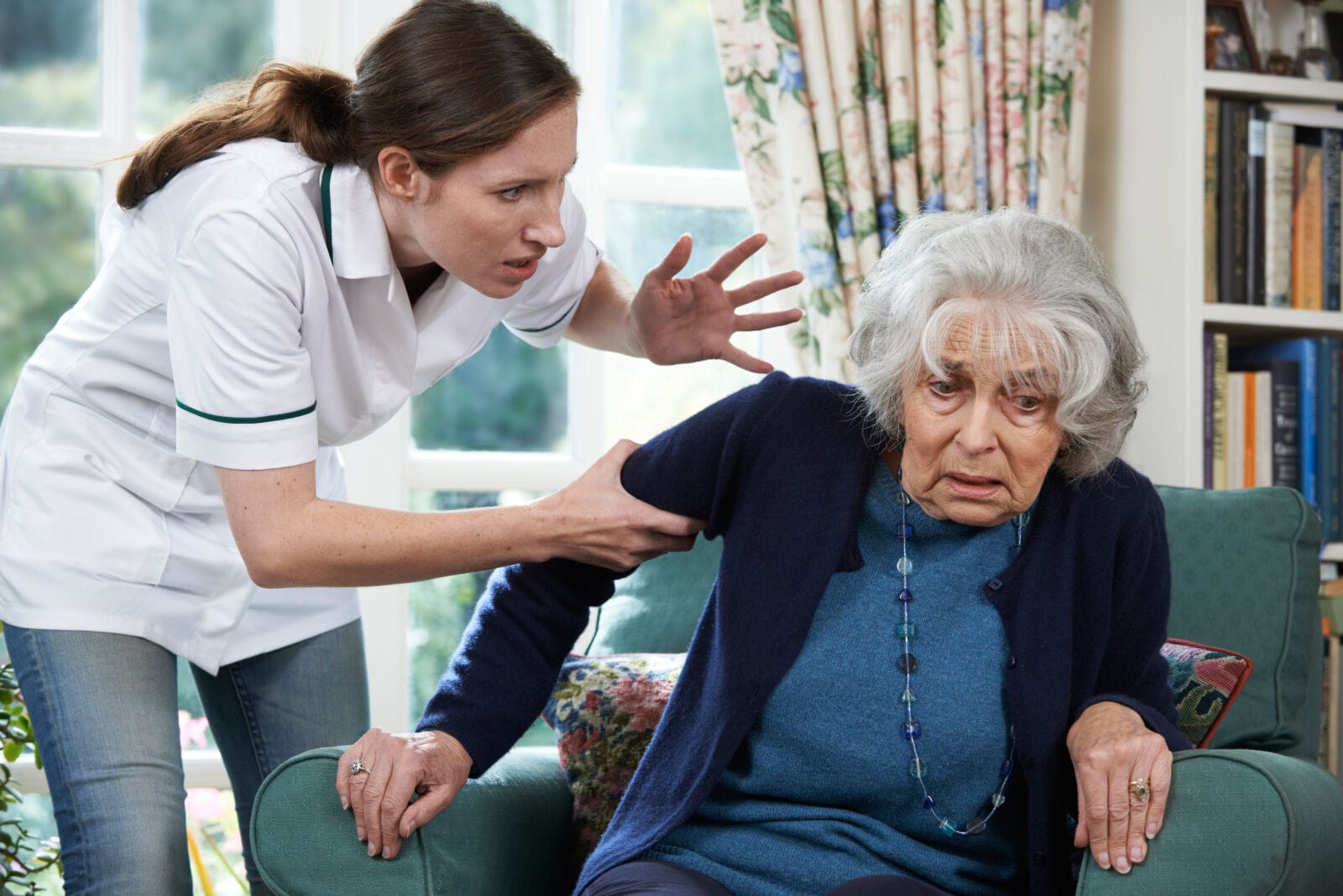
There were 7,654 nursing home citations for abuse, neglect, and exploitation in 2023 across America, according to a SeniorLiving.org analysis of statistics compiled by CMS. These citations account for about 8% of all nursing home health citations. Nursing home abuse is an issue of grave importance.
The latest data from KFF, based on July 2025 figures, shows about 1.2 million residents living in over 14,700 nursing facilities in America. This makes clear that the number of people dependent on nursing homes is huge.
Forms of abuse and neglect in nursing homes include the physical and emotional kind. Abuse may also manifest in the form of financial fraud, poor drug administration, and poor personal hygiene. The family of any resident with these symptoms would go through a massive amount of mental suffering.
“Can you sue a nursing home for neglect?” Nursing homes and family members of patients in those homes frequently ask this question. Families can sue staff members and nursing homes if they don’t provide proper care to residents. Residents can also file a lawsuit if they suffer an injury or illness. Nursing homes can be sued for both negligence and abuse. Nursing home staff must report abuse allegations to the administration, state authorities, and law enforcement. After any incident of abuse, it is advised for the victim to receive the necessary medical care. Family members are also told to collect and preserve all related evidence.
Here are some of the actions family members should take when there is suspected nursing home abuse.
Recognizing the Warning Signs
As outlined by the National Institute on Aging (NIA), some signs of elder abuse include unexplained injuries and pressure sores. Isolation and becoming more distant from family are also signs of elder abuse. Confusion and depression are other symptoms.
Hygiene, nutrition, and hydration can suffer when a person is abused. Abuse can also occur when a person receives some medications but does not receive other necessary medications. In the case of these situations, the NIA suggests speaking with the resident privately and reporting concerns to an authority such as Adult Protective Services or a long-term care ombudsman, with 911 for urgent danger.
Reporting the Problem
Complaints about nursing homes can be filed with the State Survey Agency, and Medicare.gov provides contact information for each state. Complaints that can be made against the nursing home include those related to poor care, bad staff, poor or unsafe conditions in the nursing home, and abuse of the nursing home resident.
Complaints can be lodged through family or friends of the resident. Complaints may also be lodged anonymously, but different complaints have different procedures for doing so.
State Survey Agencies, which monitor nursing homes participating in Medicare and Medicaid, handle complaints about resident care, including abuse and neglect. The Medicare help line at 1-800-MEDICARE can provide each agency’s contact information and is available 24/7 except on some federal holidays.
A second way is the Long-Term Care Ombudsman Program. There is a federal requirement to investigate and resolve complaints, provide information on long-term services, and represent residents to the various state and federal agencies.
Residents, families, and other concerned people can bring complaints. The program works to resolve problems with residents’ health, safety, welfare, and rights. By 2023, the federal program resolved or partially resolved 71% of the 202,894 complaints filed by residents.
Over 1,500 full-time staff members and 3,443 volunteers did that work. Physical abuse ranked second among the most frequent nursing facility complaints, behind discharge or eviction and ahead of response to requests for assistance.
Many families hire a nursing home abuse lawyer at this point. These lawyers will review all the documentation to assess whether or not there is a viable case against the nursing home. Once there is an adequate reason to suspect negligence, nursing home lawyers will take pictures of injuries and gather more information on policies and procedures to demand reimbursement for bills and compensation for pain and suffering.
Keeping a Record
Families often write things down since dates and details fade. Notes on what a resident said, which staff members were present, and which injuries appeared give an agency something concrete to review. Photos of injuries and the room, along with copies of medical records, enhance the overall picture.
Following accusations of neglect at a nursing home, there will be many queries related to potential compensation that come from family members. There can be claims for medical expenses, physical injuries, mental pain and suffering, and much more.
Several variables can affect the payout and a person’s eligibility to bring a case.
Choosing the Next Step
With reporting, record-keeping, and legal issues often intersecting, the varying definitions of elder abuse between states mean the rules a family must deal with depend on the location of the facility.
The federal pages point families to the ombudsman and the State Survey Agency first, and both exist to take these complaints. The ombudsman program page links to a directory for finding a state’s ombudsman.
Neglect and abuse don’t usually come with a warning label, but the sooner the issue is escalated to the proper department, the sooner someone can review it.