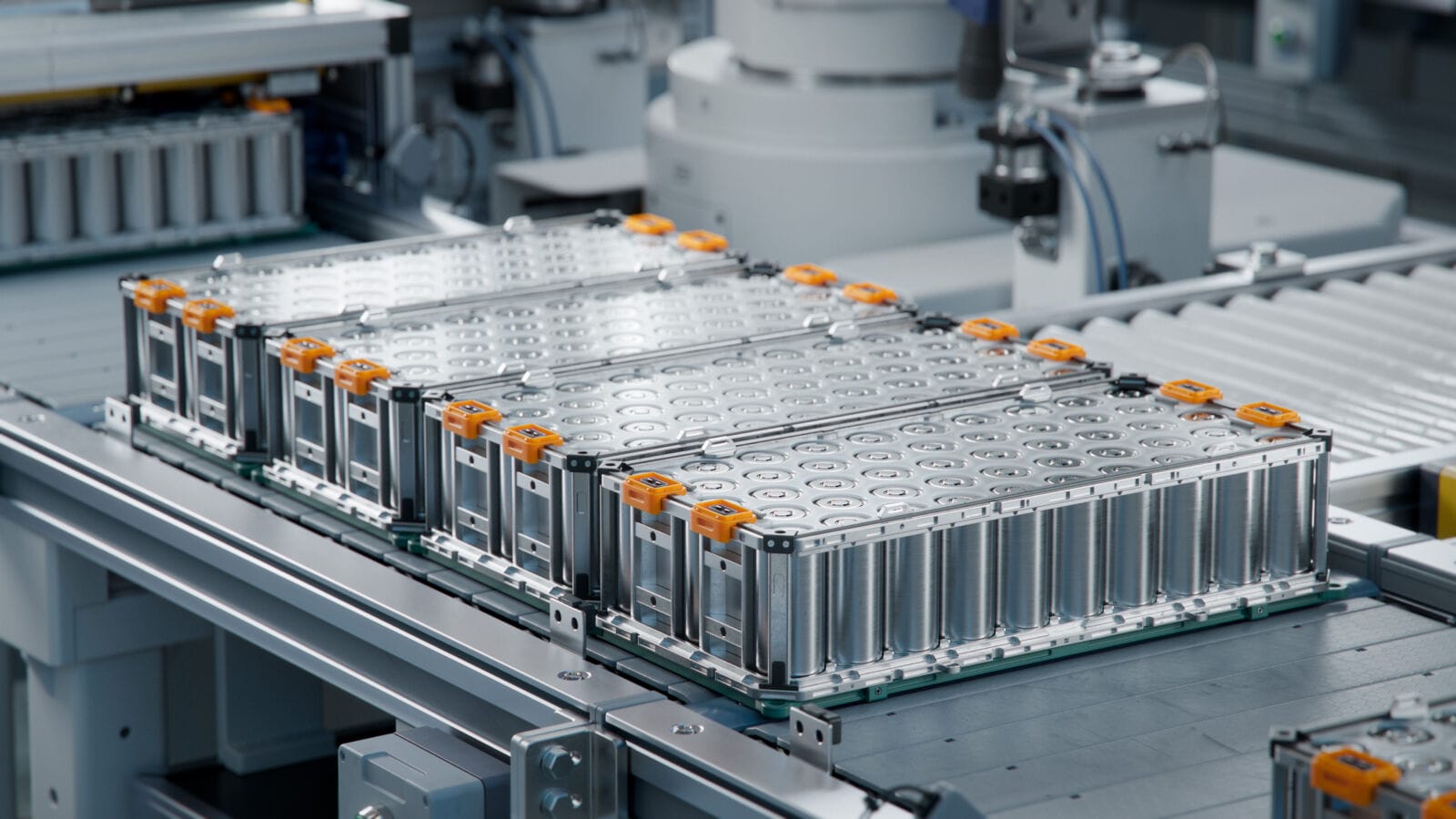
In today’s modern warehouses, intelligent automation systems are becoming a key choice for boosting productivity and cutting down on excessive downtime and costs. In many warehouses, the heavy-duty demands for continuous operation of automated machinery typically dictate the choice of battery technology, leading to problems with traditional battery systems. Lithium-ion technology provides an efficient solution with uniform performance and rapid charging rates in different industrial applications.
These powerful batteries can help warehouse operators have their processes uninterrupted while enhancing the performance of their automated material handling equipment. As intelligent warehouse solutions take root in more businesses, their recognition of the need for dependable energy storage to support their everyday operations continues to grow.
Technology that enables reliable power to support A.G.V
An AGV can be used to carry goods from one storage point to another and to various processing stations in the warehouse. These vehicles need reliable energy supplies to ensure smooth transportation operations during busy warehouse hours, without frequent stoppages. Now lithium-ion batteries for AGVs can help warehouse operators boost availability and cut down on battery charging time. In contrast to standard lead-acid batteries, lithium-ion batteries enable opportunity charging when the battery is not in use for a specific time or when the operation is decreased.
This flexibility will enable automated vehicles to fulfill more transportation tasks without the lengthy battery replacement or upkeep process. A steady voltage supply also ensures that automated systems perform reliably over the course of their operation, gradually losing battery charge. Warehouse managers can then better plan transportation operations and ensure the movement of stock is smooth between multiple operations.
Minimize Charging Downtime and Maximize Equipment Availability
When automated machines are out of commission during material handling and distribution processes that are critical to the warehouse, charging downtime can have a major impact on productivity. In general, lithium-ion batteries charge up much quicker than the traditional lead-acid batteries, provided they are given the right industrial charging equipment. They allow for partial charging, which helps the equipment operator recharge between the various points in the natural break of the warehouse business. This helps minimize the need for long charging times, which can be disruptive during regular inventory and order processing. The modern charging systems can also optimize the delivery of energy based on the energy required by the equipment and the electrical capacity available in the warehouse. Smart charging optimizations can help businesses keep their equipment available for use without the need to increase their automated vehicle fleet and staffing. Fewer interruptions in charging ultimately help to improve workflow and consistency of productivity in a busy warehouse environment with demanding schedules.
Boosting energy efficiencies and managing operational costs
For a warehouse with a large automated transportation and inventory management system, energy costs are one of the most significant operational costs. Generally, lithium-ion batteries have greater round-trip efficiencies than standard lead-acid batteries found in material-handling applications in industry. Better energy conversion means less electricity loss on charging and discharging and ensures reliable equipment operation during use.
They also have relatively low maintenance needs, eliminating labor for watering, cleaning, and testing of conventional flooded lead-acid batteries. When the operating conditions are appropriate, the higher service life will decrease the frequency of replacement and ultimately the cost of equipment servicing. Energy monitoring data can help warehouse operators identify inefficient charging patterns and optimize electricity use at facilities. These enhancements enable companies to manage costs more effectively and create more stable long-term budgets for their automated equipment.
Enhancing Safety in the Warehouse with Battery Intelligence
In a fast-paced warehouse environment, safety is paramount, especially with the presence of automated equipment. State-of-the-art lithium-ion battery systems utilize intelligent monitoring technology, which performs continuous temperature, voltage, and battery operating condition evaluations. Such embedded battery management systems are capable of identifying irregular operations and initiating safeguarding measures if conditions go beyond safe parameters.
Sealed lithium-ion batteries eliminate the need to handle acid routinely and minimize maintenance-related exposure to hazardous materials compared to flooded lead-acid batteries. But proper charging equipment and thermal protection are still necessary to ensure battery operation, which is safe during challenging industrial use. Automated monitoring further enables the maintenance team to resolve emerging issues before they can impact equipment damage or impact. Such protective features enable safer working environments and ensure warehouses can count on consistent performance from their automated material handling systems.