Mass production has made everyday objects more accessible, consistent, and easy to replace. Products can be ordered quickly, often with little consideration of how they were made or how long they will last. Yet convenience has not removed the appeal of objects shaped by human skill. In home design, people still value pieces that show care in their construction and reflect the maker’s knowledge.
The renewed interest in craftsmanship is not a rejection of modern manufacturing. Instead, it reflects a more thoughtful approach to choosing furnishings and decorative objects. The materials, construction, and decisions behind a finished piece can influence both its appearance and its usefulness over time.
The Difference Between Making More and Making Something Well
Mass production serves an important purpose. It makes products available at scale, keeps costs down, and lets manufacturers achieve consistent results. For many household needs, this approach is practical. A handmade alternative is not automatically necessary or better.
The distinction becomes clearer when an object has a strong visual or personal role. Factory-made products are generally developed around specifications that can be repeated across many units. A craftsperson has more room to respond to the qualities of a particular material, adjust details during production, and make decisions that influence the final result.
Subtle variations can give handmade objects their identity. A surface may retain marks from a tool, a shape may have a slight irregularity, or a finish may vary across the material. These details are not necessarily flaws. They can reveal something about the process and the skill involved.
The distinction also extends beyond the finished product. UNESCO’s explanation of traditional craftsmanship highlights the knowledge and skills involved in making objects, as well as the importance of passing those abilities to future generations. Preserving a craft means keeping the practice alive rather than simply protecting completed examples of work.
Handmade Objects in Contemporary Interior Design
Craftsmanship has a place in modern interiors because it does not require a room to follow a traditional style. A handmade object can sit comfortably among clean-lined furniture, contemporary lighting, and simple architectural finishes. It might introduce texture, draw attention to a particular area, or provide a personal element in an otherwise restrained space.
Sculptural metalwork offers one way to achieve this. Fireplace screens, mirrors, lighting, and wall pieces can serve practical purposes while contributing to the composition of a room. Their proportions matter just as much as their decorative qualities. A large wall sculpture needs enough space around it, while a fireplace screen should suit the dimensions and character of the opening.
Across the American South, residential architecture reflects a mix of regional traditions, established neighborhoods, and newer developments. These differences influence how designers approach materials, finishes, and decorative features in individual homes.
In Texas, residential design ranges from traditional homes with established architectural details to newer properties with more contemporary layouts. This variety creates room for different approaches to materials, finishes, and decorative elements. For designers looking beyond standard furnishings, hand-forged metal pieces at clairecrowecollection.com include fireplace screens, lighting, mirrors, and sculptural works that bring traditional metalworking into individual spaces.
Why Materials and the Making Process Matter
The quality of a handmade object begins with choosing materials suited to its intended purpose. Metal, wood, glass, stone, and textiles each have different characteristics. Weight, texture, maintenance requirements, and resistance to heat or moisture can all influence which option works best.
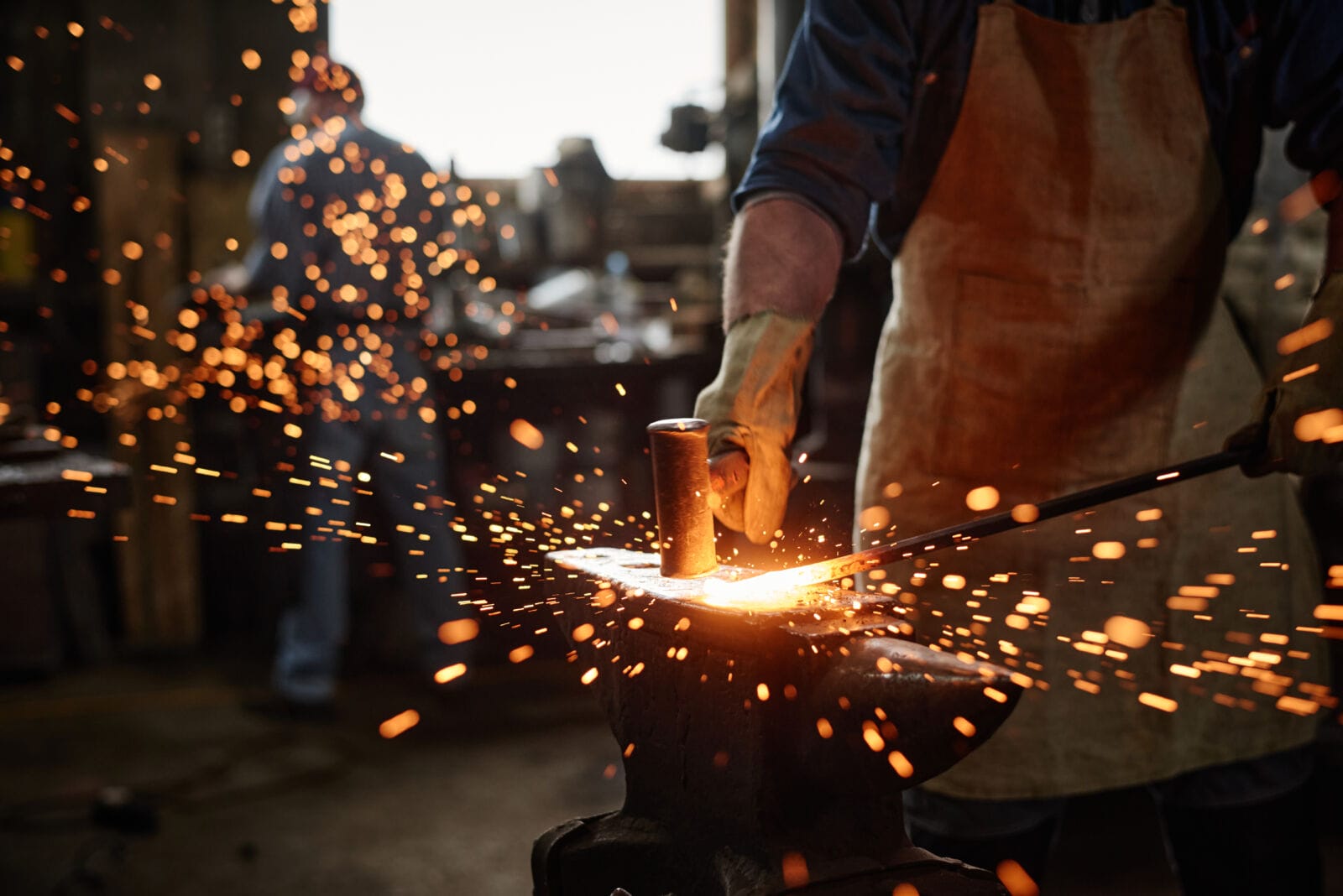
Metalwork offers particularly varied possibilities. Forging shapes metal through heat and force, allowing makers to create forms that would be difficult to achieve through standard manufacturing methods. The finishing process then changes how the surface looks and responds to light.
For example, a polished finish creates a smooth, reflective appearance, while a brushed surface has a softer, less reflective texture. A hand-applied patina can introduce variations in color that give metal greater visual depth. Over time, some finishes may also change through handling and exposure, so maintenance requirements are worth considering before selecting a piece.
These decisions require practical experience. The maker needs to understand how materials respond during production and how the finished object will perform in its intended setting. Good craftsmanship therefore involves more than appearance; it combines technical knowledge with careful attention to use.
Choosing Quality Over Constant Replacement
A considered purchase involves looking beyond the initial price. An inexpensive item may seem like a sensible choice, but frequent replacement can make it less economical over time. A well-constructed piece may require a larger upfront investment while remaining useful for many years.
That does not mean every handmade object is durable or every mass-produced product is disposable. Quality varies across both categories. Buyers should consider how an item is assembled, whether its materials suit its purpose, how the finish has been applied, and what care it requires.
Interior designers also need to think about the wider impact of the products they specify. The British Institute of Interior Design’s Responsible Specifying Toolkit encourages professionals to consider material choices, product origins, and life cycles. This broader approach helps designers look beyond immediate appearance and consider how their selections will serve a space over time.
Keeping Traditional Skills Relevant
Traditional craftsmanship remains relevant when makers can apply established techniques to contemporary needs. This may involve adapting a metalworking method for a modern fireplace, developing a finish for a particular interior, or creating an object for a space with unusual dimensions.
Collaboration plays an important role in that process. Designers understand how a room functions and how its elements relate to one another. Craftspeople bring practical knowledge of materials, construction, and production methods. When both contribute early in a project, the finished piece is more likely to meet its functional and design requirements.
Passing skills between generations matters just as much. Workshops, apprenticeships, and opportunities to practice specialist techniques help preserve knowledge that written instructions alone cannot replace. Continued opportunities to work with traditional methods allow craftspeople to preserve established skills while finding new ways to apply them.
Conclusion
The return of craftsmanship does not mean turning away from modern production. It means recognizing that convenience is only one part of a good purchase. The skill behind an object, the suitability of its materials, and the care taken during its creation also deserve attention. Handmade pieces connect you to the people and processes behind them, giving interiors individuality through thoughtful design and skilled work.