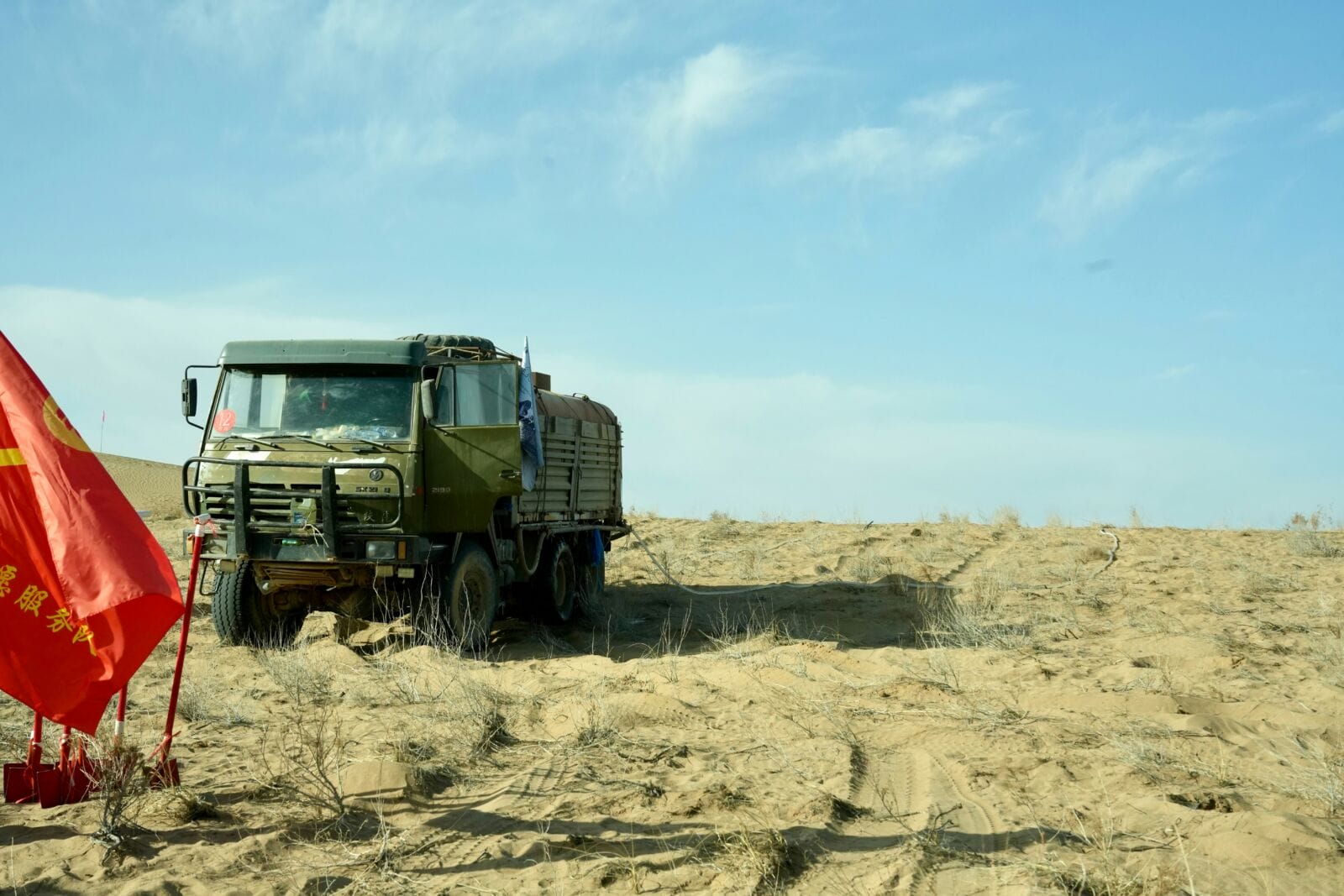
Test drivers at U.S. Army Yuma Proving Ground say a vehicle left out in the summer sun stays hot to the touch for hours after dark. For anyone who builds or buys military vehicles, that heat is the first lesson of the desert. Every plate added to keep out a mine blast or a rifle round also traps heat inside, adds weight for the engine to haul and changes how the vehicle behaves on loose ground.
Engineers design blast protection as a package: the shape of the hull, the floor, the seats and the armor plates all work together, and each of them carries a cost in weight and in heat. The desert north of Yuma is where the Army checks whether that package still does its job after thousands of miles of dust, heat and broken ground, with soldiers inside instead of on a drawing board.
A test range bigger than Rhode Island
The U.S. Army Yuma Proving Ground covers more than 1,300 square miles of range in southwestern Arizona, with mountains on three sides that soak up the noise of test firing before it reaches town. The installation has tested armored combat vehicles since World War II, and the extremely dry climate means a test schedule rarely waits on the weather.
Size matters to the crew because survivability cannot be proven in a lab alone. A hull that holds up on a test stand still has to carry its armor over washboard tracks and sand without cracking welds, shaking loose fittings or cooking the people inside.
Heat and dust inside a sealed hull
Daily temperatures above 90 degrees Fahrenheit are normal at YPG for more than seven months of the year, and testers run a dust course tilled for the most sediment they can raise. Army testers describe that combination as enough to stress even the toughest combat vehicle. A crew compartment built to keep out blast and fragments is also built to keep out the breeze. Inside it, the crew depends on air conditioning, sealed electronics and filters that keep working in fine dust. On YPG’s courses, test drivers check every electronic system on the vehicle as they go, because a radio, a camera or a cooling fan that fails in the heat leaves a protected crew deaf, blind or exhausted. A car left all afternoon in a Phoenix parking lot in July gives a mild taste of the problem, minus the body armor and the shut hatches.
Slopes, heavy doors and getting out
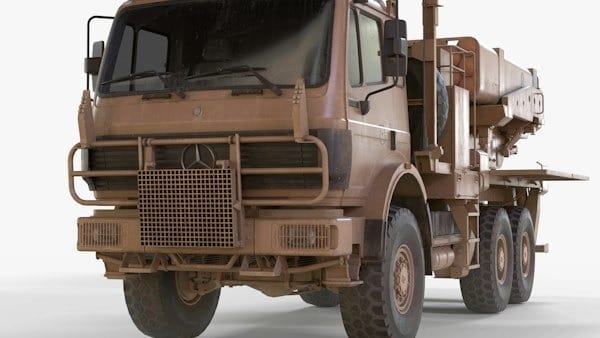
Protection also has to let the crew out. During testing of the Joint Light Tactical Vehicle at YPG, evaluators checked whether the vehicle could level itself on a 20 percent side slope so that occupants could push open its heavy armored doors and climb out safely. The same vehicles covered 16,000 miles of paved, secondary and cross-country roads, and testers looked closely at the protection kit around the roof gunner.
The Yuma Test Center keeps about 200 miles of surveyed road courses, including hill climbs close to a 30 percent grade and a cross-country course with long washboard sections. A door that opens easily in a showroom can trap a crew when the vehicle has stopped nose down in a wash, and Yuma is one of the few places where that can be checked over and over.
What the desert tells Arizona suppliers
Yuma’s testing feeds programs that replace whole fleets. The Armored Multi-Purpose Vehicle, the successor to the M113, went through developmental testing at YPG because, as one Army test officer put it, the range offered the extreme temperatures needed to stress the systems. That work is also a regional business: more than 2,000 civilians work at YPG, and a 2017 study put the installation’s annual economic impact above $1.1 billion.
For Arizona firms that machine parts, build wiring harnesses or test electronics, the message from Yuma is that protection on modern armored vehicles is judged as a whole system under field conditions, seats, doors and cooling included. As the Army describes in its account of combat vehicle testing at Yuma, much of that work comes down to keeping electronics and crews functioning in the heat.
The vehicles now in development carry more sensors and draw more electrical power than the JLTV or the AMPV, and each will have to run the same dust course and side slopes before it enters service. Suppliers who plan their own heat and dust qualification around those courses will reach the Army’s evaluators with fewer surprises.