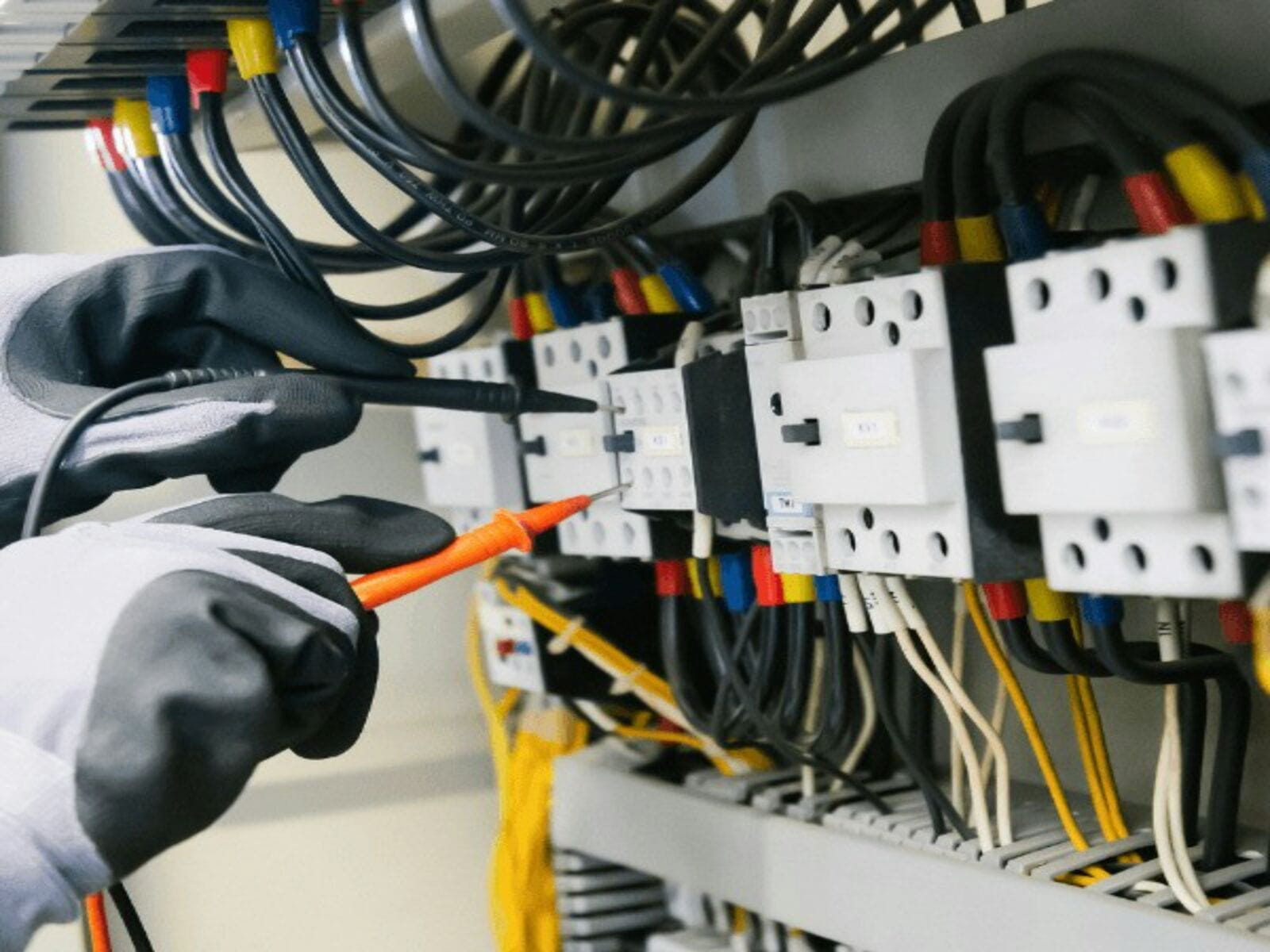
Electrical safety in the workplace is necessary for employees filling a vast array of roles, besides electricians, but many of them are not fully trained for the situations they face, resulting in injuries and fatal incidents. According to ESFI’s analysis of U.S. Bureau of Labor Statistics and OSHA data for 2011–2023, leading causes of electrical fatalities include overhead power line contact (42.8%), but also include less-expected situations like ground faults and damaged wiring or equipment. In addition, workers may have unexpected contact with electricity (19.3%) or come into contact with nearby energized equipment (12.7%).
As a facility manager, you can make the difference between a safe and a risky job by deciding what electrical safety training an employee needs. So, here is how to read an employee’s assigned work, match it to the right level of electrical safety instruction, and keep that training current.
Determine the level of hazard exposure.
A job title is not sufficient to determine exactly what the worker will have to do. Depending on the job, there will be specific physical tasks that you can pull from work orders or CMMS, as a starting point for assessing exposure to hazards; the actual risk depends on the equipment, task, and conditions:
- Low exposure can include the general users of plugged-in equipment;
- Moderate exposure can be general maintenance near electrical equipment;
- High exposure can be testing or repairing circuits and panels;
Before you assign the job to an employee, you must determine whether they are supposed to work on or near energized equipment, the voltage and energy levels involved, and if there’s arc flash potential, meaning the chance of a sudden, explosive release of energy from an electrical fault. This will make it easier to match the task to the instruction you will have to arrange.
Match the training with the job
After you establish what the job comprises, you must match the task profile to specific instructions the employee will follow. For example, if they have to use electrical equipment but won’t have access to live parts, the worker must be prepared with general electrical hazard awareness that includes knowledge of cord and plug checks, GFCI use, and the ability to report hazards.
But when it comes to working near exposed energized parts, whether it’s testing or troubleshooting, the employee must be qualified for the specific work, with appropriate training and demonstrated skills in electrical safety-related work practices. In the US, OSHA sets legal requirements, while NFPA 70E provides a consensus standard that workers must know to reduce their exposure to major electrical hazards, such as shock, electrocution, arc flash, or arc blast.
If you need to train your qualified workers for such a job, online courses offer classroom-style learning. The arc flash training from WorkplaceSafety.com covers electrical and arc flash safety fundamentals and requirements that employees can go through at their own pace, after which they can test their knowledge with quizzes and cement the knowledge foundation, which should be paired with task-specific practical training and verification of demonstrated competence. An online certificate alone does not make someone a qualified electrical worker.
Address gaps and role changes
Assigning a job doesn’t stop at training employees and recording their tasks. This is a huge responsibility that requires frequent reassigning, role prioritization, and training records that ensure everyone is capable of completing a job without putting themselves in danger and that the company operates according to standards and regulations.
This means checking the current training records of your employees and comparing them with the abilities that the task requires. Look for workers who may be doing tasks above their documented level and adjust that with training, or verify if there are upcoming retraining intervals or expired refreshers.
If there are any high-risk gaps, like people working jobs near exposed live parts and lacking proper training, remove them from that work until they have the necessary training and demonstrated competence. There could also be issues like recent changes in the equipment or regulations that need to be addressed as soon as possible.
Don’t underestimate the refresher training
Employees who have received proper training but are due for retraining must complete it before getting assigned to a new job. In the US, NFPA 70E calls for retraining in electrical safety-related work practices at intervals not exceeding three years for the employee to review the core hazards and safe work practices. At the same time, standards and company procedures change, and workers must be up to date with these modifications.
Refresher training is also required when new machines, equipment, or procedures introduce different safety-related work practices, but it can also become a necessity when someone’s performance shows a gap. As a supervisor, you will be able to observe who isn’t properly following safety procedures and require retraining.
Finally, the training can also include lessons from past incidents and near misses in the company as a way to prevent them from happening again. Mistakes can happen, such as overloading outlets or ignoring damaged equipment, but they can have fatal consequences, and all employees must thoroughly follow procedures to avoid that.
Avoid making these mistakes when assigning tasks
Ensuring everyone is safe while doing their job requires proper organization, but some other mistakes might slip in. The biggest of them all is believing “qualified” is a forever status, and a certificate obtained years ago can secure a person’s abilities. Employees will always need refreshers when equipment changes and skills fade, which is why the three-year maximum interval does not replace earlier retraining when needed.
The second mistake is underestimating jobs that seem simple and sending untrained or semi-trained staff. Electrical work, even if it includes only taking a look, requires sending someone who is aware of the procedures and risks involved and will carefully assess the job. This also applies to high-risk jobs that may require sending two employees instead of one, especially when energized work is involved.
Final consideration
Electrical work can be dangerous for employees who lack the proper training. Not all electrical jobs and roles mean the same set of skills and knowledge, which is why it’s important that you match every worker’s ability with the type of work that needs to be done. Check everyone’s certifications and assess online training, when necessary, whether for the first time or as a refresher. Assess their demonstrated competence for the specific equipment and tasks before assigning electrical work. Exposed live parts must normally be de-energized before work, subject to OSHA’s limited exceptions.