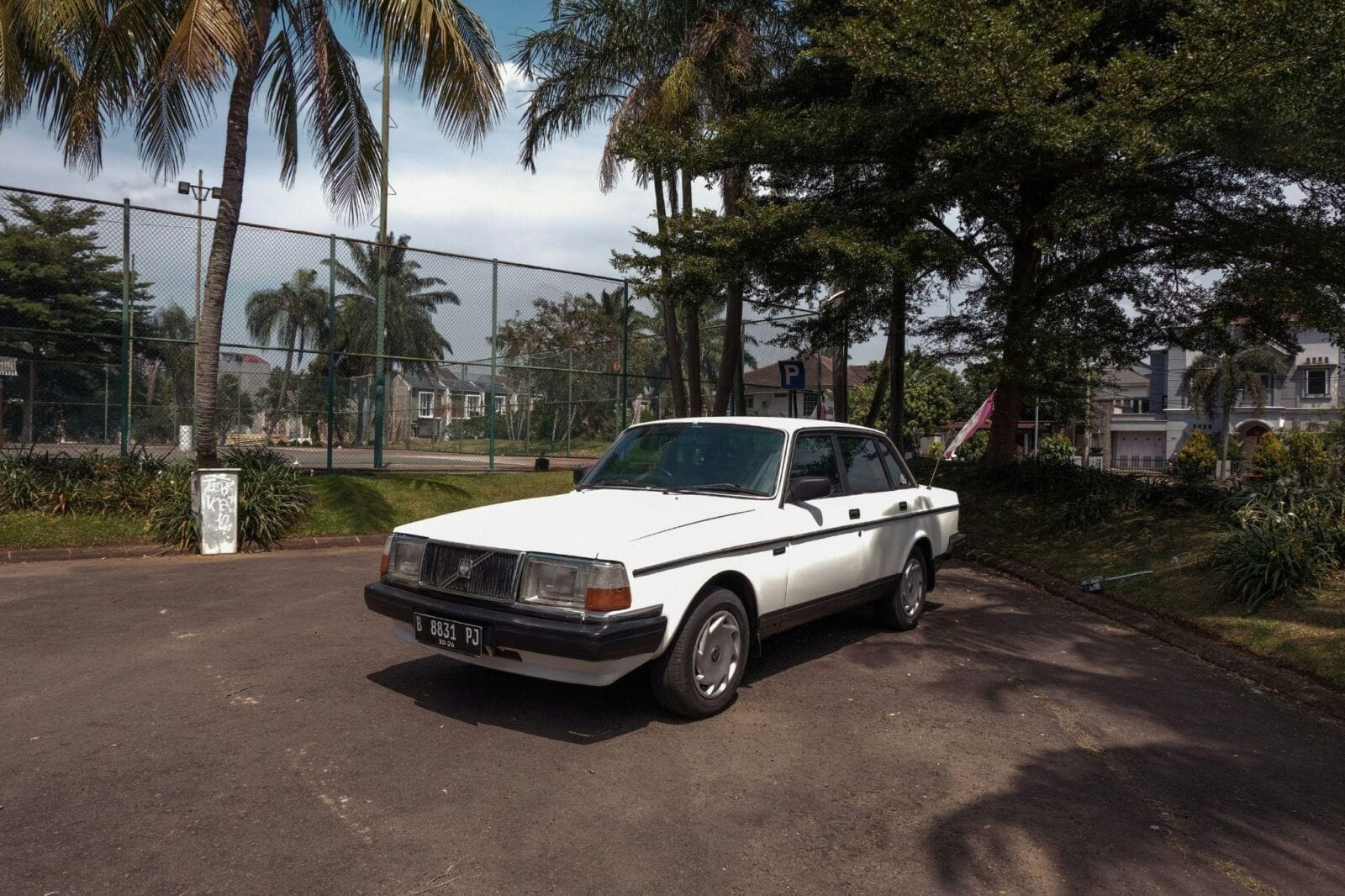
It’s not always a breeze to purchase a second hand vehicle. There is a possibility you will come across a vehicle that looks immaculate, has a fair price tag and looks as if it is in good shape. The seller might also inform you that it doesn’t cause any issues. How can you be certain, though?
The truth is that there are used cars that have used car history that a car buyer never hears of. A vehicle can be involved in an accident or have been damaged by flooding or driven far beyond their actual odometer. However, in some cases, the owner may have solved these issues prior to selling the car.
Not all used cars are bad options. There are many who have decided to get a new car or just the cash is necessary, and they’re selling their vehicle. But sometimes you can’t look at a car and make a judgment on if it’s been working well or not and if there is a secret story or not.
When looking to purchase a used car, don’t rush the decision and do some important things before paying money.
You shouldn’t rely on the car’s appearance to make that decision
A clean car is sure to make a difference. A fresh paint job, shiny headlights and a pristine interior make a first impression that is sure to be a good one. But, these facts give little indication of how the car was handled by the previous owner.
A car that has been involved in an auto accident may be virtually new after a professional vehicle repair. The seller may have replaced or repainted the body parts that are damaged. With the right mindset, you may never realize there’s a difference.
First, make a tour around the vehicle, inspect it from various angles. Check for uniformity on the paint job of all body panels. Check the space between the doors, hood and trunk. If it is not equal, it may be because a previous repair was performed.
Also, open the doors and see if they close automatically. Check for damage or any unusual welding under the vehicle.
These checks will not uncover all the problems, but they will be able to let you know if there are any.
Ask for the “VIN” and See the Car’s History
So, the identification number of the vehicle should never be ignored. A VIN number is a unique identification number given to each car. It can help you to obtain some information about the background of the car.
Avoid making any final decisions without the owner’s VIN. It’s typically located on the dashboard, near the windshield or inside the driver’s door. It should also correspond to the number of the official documents of the car.
Using the VIN number, use a trusted vehicle history service to find out what information is available.
An automobile history report can indicate if the vehicle has been in any reported accident, a salvage title, flood damage, or if there were unusual mileage changes. May also contain details of the previous owner and details of any repairs that have been made.
You can find several services that provide Carfax reports to help with this process.
However, since the report is clean doesn’t imply that the car is perfect. These services are not always notified of accidents and repairs. There are issues with some vehicles that aren’t covered by any online database. Therefore, viewing the report is essential in your search.
Investigate the accident
Don’t automatically rule out a car just because it’s been in a crash. There are small accidents and many cars which are mended and do not create any issues with safety and performance.
What’s important is the nature of the damage and the quality of the repair.
A bumper that’s damaged or a new headlight may not seem like that big of a deal. But structural damage is much more deserving of attention. In case the frame or key safety parts have been damaged, the car could fail to function in a subsequent accident.
During the inspection, inspect for paint variations, body panel mismatches, areas where parts have been welded and replaced parts. Another option is to inquire from the seller if the car requires big repairs.
If you have any doubts, bring the vehicle to a body repair shop or a very well experienced mechanic. They can sometimes identify repairs which a normal buyer may not see.
You’re better off paying a bit more for an inspection than to find out about a serious accident record when you purchase the vehicle.
Check that the mileage is Authentic
Not only can mileage affect the price of a used car, but it can also impact the condition.Mileage is not only an indicator of the used car’s cost, but it can also be a factor in the condition. People who are buying a vehicle would like it to have a lower mileage since they believe it has less wear and tear.
Unfortunately, some sellers “take advantage of this.” They change the odometer to make an older or heavily used car appear to have a lower mileage. It’s called “odometer rollback.
Now think about a car that is offered with 55,000 miles at that time.Now think about a car that is offered at that time that has 55,000 miles on it. It seems like a bargain, but has 110,000 miles on it. That is a plain sight difference that makes it a good indication to investigate more.
Request maintenance receipts and any previous inspections. Check the dates and mileage and if the figures seem contradictory, this is likely a bad sign.
The inside should also be examined. Fewer kilometres on the car’s odometer than the distance on the seats or pedals might suggest that the car has travelled further than the odometer reading indicates.
While a low mileage number is interesting, it’s not a reason in itself to buy a car.
Look for Flood Damage Signs
Another issue with which buyers may be unaware of is flood damage. A car can be wet and then dried before being sold. All the way out, there may be nothing amiss.
The problems usually begin after awhile. Water can have an adverse effect on electrical connections, can cause rust, and can cause various parts of the engine and interior to be affected. These issues might not show up whilst on a quick test drive.
Look thoroughly inside the car when checking it out. Remove the floor mats and inspect for any water marks. Take note if there is an unusual, potentially damp or musty, odor.
Check the seat rails, under the dashboard and the trunk! If the rust or mud is found in an unusual spot, it can be a warning sign. Also examine to see if the lights, windows, dashboard controls and other electric functions operate as they should.
Repairing a car with significant flood damage may become costly. There is a possibility for some electrical issues to persist after the vehicle is cleaned and repaired.
If you have any doubts, have a professional check it before proceeding.
Take a Mechanic With You
A lot of people don’t know everything about a car engine or even a transmission. It can be hard to know what is a problem if you are familiar with vehicles at all.
This is where an independent mechanic can be of assistance.
When purchasing the vehicle, schedule a check in with someone who has experience in working on that vehicle. Ensure the mechanic is unbiased and has no dealing with the seller.
Have them inspect the engine, transmission, brakes, suspension, tires and electrical systems. They must also also seek out for signs of past repairs, abnormal noises and oil leaks.
Some electronic problems can also be detected through a diagnostic scan. In some cases, a warning light will go out for a period of time but the problem is still there.
This inspection is likely to cost you, but it’s worth every penny! Knowing about the trouble before you buy the car allows you to negotiate for a lower price or to stop buying the car altogether.
Do not discard any paperwork that has the potential to be important.
Even if your car is in great mechanical condition, there may be legal issues. That’s why it’s important to always check the paperwork, just as important as checking the engine.
Ask the seller to show you the original ownership and registration documents. Ensure that the name and other information are consistent with the information presented by the seller.
You may need to find out if the vehicle has any outstanding finance, unpaid charges, is entered on the police’s database of stolen vehicles, or has restrictions on the transfer of ownership based on where you live.
Exercise caution when purchasing a car from a party providing documents of sale that are missing. The same goes for the seller’s excuses that they can’t provide when they didn’t get paperwork or don’t want you to look into the details.
If the seller is not the registered owner, obtain a clear explanation, and ensure that they possess the legal authority to sell the car.
Wait until all documents and the ownership transfer are in place and satisfactory before making full payment.
Give It a Taste Test
Doing a lap around the block isn’t sufficient to gauge a used vehicle’s performance. Drive the car for 15-20 minutes, preferably on different roads.
Listen for the engine to start and its noise. Check for smooth gear changes in the transmission. Test brakes at a safe speed, and see if steering is normal.
In some cases, a vehicle starts up just fine when the engine is cold, but it fails to operate well after it has warmed up. The longer the test drive, the greater the probability of being able to see these.
Also, keep in mind the little things. Test A/C, lights (wipers, turn signals, rear lights, rear window lights), and power windows and controls. The following features may appear inconsequential at the initial inspection, but can cost money to repair.
If there are unusual noises or vibrations, inquire from the seller. Avoid taking a short cut to the problem without examining the problem.
Don’t Assume That A Low Price Is A Good Price
Of course, everybody loves to find a good deal, particularly when purchasing a used vehicle. However, if the vehicle is being sold for significantly less than other models, then there could be a reason for that.
It could be a hard sell but it may also be mechanically faulty, may have been in an accident or may not have all of the paperwork.
Research and compare the price before you offer it. Look at several listings to get a sense of the average price that buyers are paying for the types of houses you’re interested in.
If the price is extremely low, inquire about the reason from the dealer. Don’t rush and do not be pressured by anyone to make an immediate payment.
If the seller is unwilling to answer questions or conduct an inspection, this is a red flag.
It’s better to walk away from a shady deal than to purchase a car that ends up being a money pit.
Conclusion
When purchasing a used car, it takes patience. It’s possible that you can discover that perfect car but you will not want to rush into the purchase. When you see its history, have a look at the body, verify the documents and take it for a proper test drive, you will see its true condition.
A vehicle history report can assist you to find issues from the previous, and an independent mechanic can determine issues that exist. Do not use one check in place of the other.
Most importantly, avoid allowing either the low price or a seller’s promises to sway your opinion. Seek clarification, check information and take sufficient time to make a correct decision.
At the very least, a good used car should have a nice look. It should have a history you can comprehend, papers you can verify and a condition that gives you confidence on the road.