A city break with a toddler can be full of memorable experiences, from exploring local parks and visiting museums to discovering new food and walking through lively streets. However, travelling with a young child also means adapting plans around tired legs, nap times, crowded pavements, and frequent stops. Parents often need equipment that makes these moments easier without adding too much weight or taking up valuable space in a car or hotel room.
Choosing the best travel stroller for a city trip involves more than finding a model that folds into a small package. Parents should consider how easily it moves through busy streets, whether it can be stored conveniently, and how comfortably a toddler can sit during longer outings. The right combination of features can help families explore at a relaxed pace while keeping everyday travel practical.
Maneuverability for Busy Streets and Narrow Walkways
City streets can change quickly from wide pavements to narrow shop entrances, crowded crossings, and busy pedestrian areas. A stroller that responds easily to steering movements can help parents navigate these spaces without constantly stopping to reposition the frame. Turning ability is particularly useful when walking through markets, entering cafés, or moving around other pedestrians during busy periods.
Wheel design and suspension also influence how a stroller handles different surfaces. Smooth pavements may be easy to manage, but older streets can include uneven paving stones, shallow kerbs, and small bumps. Parents should consider the places they expect to visit and check whether the stroller is designed for those conditions. Testing it in person, when possible, can provide a better sense of its steering and handling than relying on photographs alone.
Why Folded Size Matters During a City Break
Hotel rooms and holiday apartments do not always offer much spare space for family equipment. A bulky stroller can make a small room feel crowded or block convenient access to luggage and other belongings. A compact fold can help parents store the stroller beside a wardrobe, near an entrance, or in a vehicle without taking over the available space.
Folded dimensions are especially important for families who plan to use taxis, hire cars, or public transport. Before booking a vehicle, parents can compare the stroller’s folded size with the available luggage space rather than assuming it will fit. They should also check how the stroller folds and whether accessories need to be removed first. A familiar, straightforward folding process can save time when leaving a hotel or moving between transport connections.
Seating Comfort for Toddlers Who Tire Easily
Toddlers often alternate between wanting to walk independently and needing a break. A child may happily explore a square or park at the start of the day but become tired after visiting several attractions. A stroller with a suitable seat and adjustable backrest can give the child a place to rest while parents continue towards their next destination. The available recline should be appropriate for the child’s age and used according to the manufacturer’s guidance.
Comfort also depends on the seat’s dimensions, foot support, harness adjustment, and the conditions during the outing. Parents should check that the stroller can accommodate their toddler’s current size and that the restraint system fits correctly. A canopy can help provide shade, but families should still pay attention to temperature and airflow, particularly during summer trips. Small details such as these can influence whether a stroller remains comfortable during several hours outside.
Storage Space for a Full Day Out
A city excursion often involves carrying more than expected. Parents may need wipes, snacks, water, spare clothes, sunscreen, small toys, and purchases collected throughout the day. A basket beneath the stroller seat can keep some of these belongings within reach and reduce the need to carry everything over one shoulder. However, the basket’s capacity and accessibility vary between models, so parents should check the manufacturer’s specifications before making a decision.
Storage needs can also change as the day progresses. A stroller that accommodates a small day bag may be sufficient for a short museum visit, while a longer walk may require additional supplies. Parents should avoid overloading the basket or hanging heavy bags from the handle unless the manufacturer permits it, because extra weight can affect stability. Keeping essentials organized in a separate bag can make it easier to find what is needed during a quick stop.
A Lightweight Design for Changing City Plans
City breaks rarely follow a perfectly fixed schedule. Families might leave the hotel for breakfast, take public transport to a museum, stop for lunch, and then walk through a shopping district before returning in the evening. During these transitions, lifting and carrying the stroller can become just as important as pushing it. A lighter frame may be easier to manage when getting into a taxi, navigating steps, or storing the stroller in a small space.
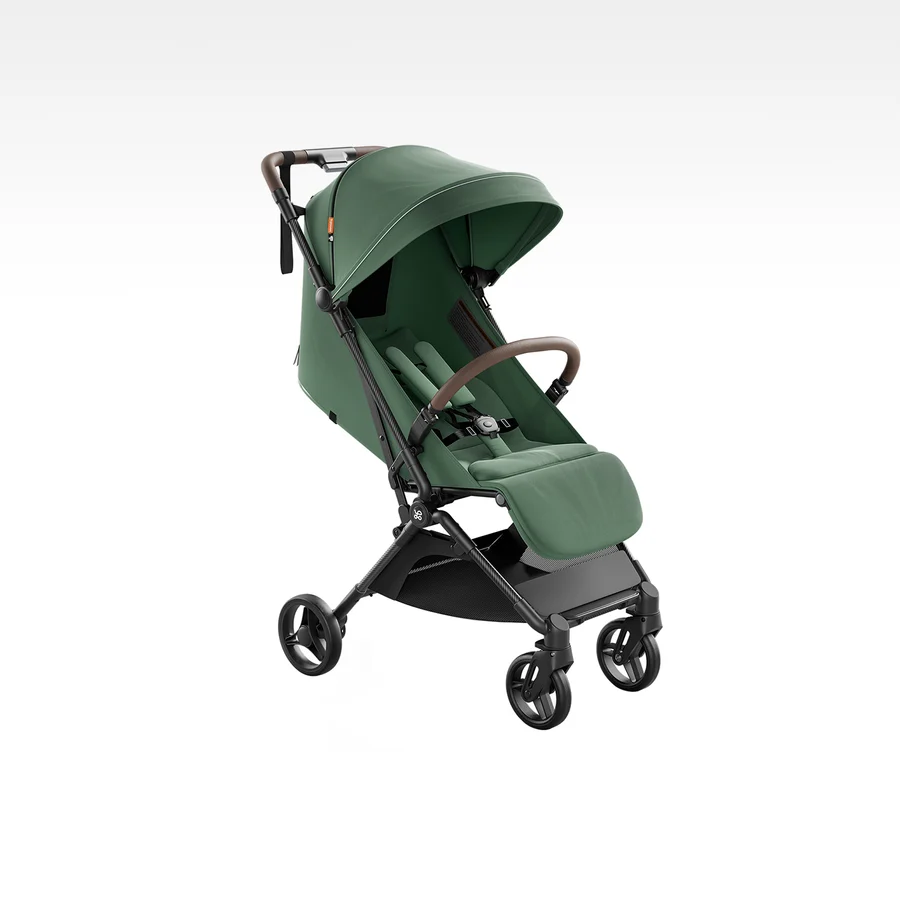
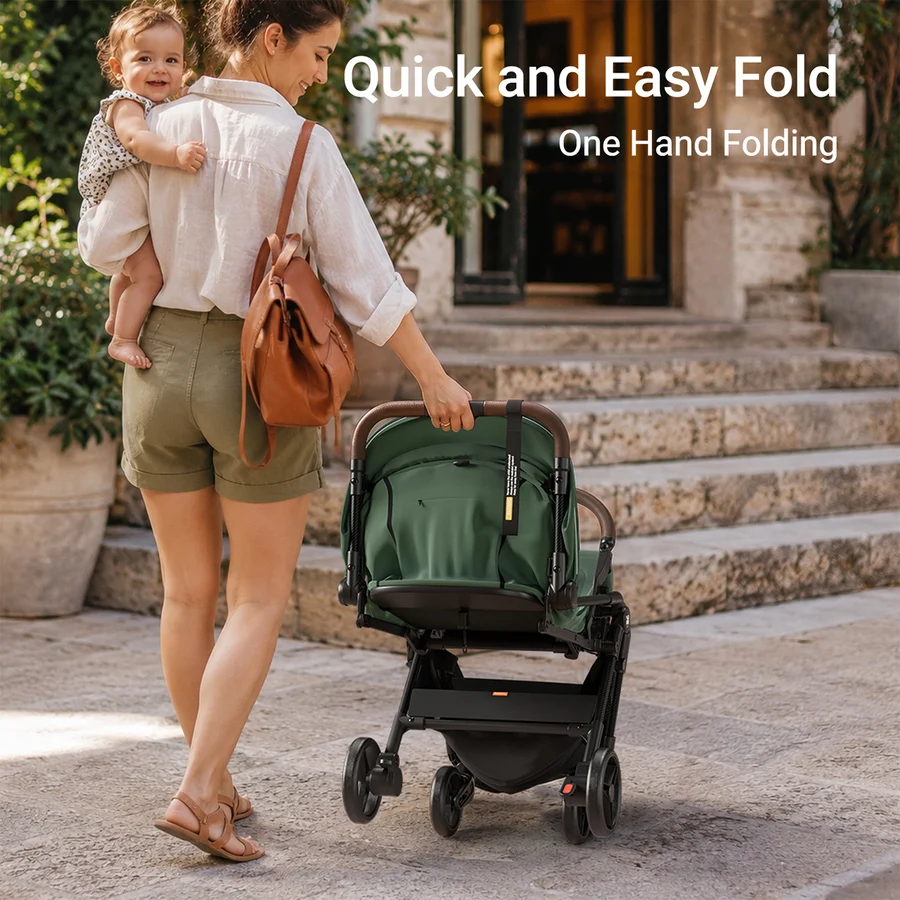
The MAMAZING Ultra Air Compact Stroller for Travel is designed with portability in mind. Its listed specifications include a carbon fiber frame, a weight of approximately 11.6 pounds without the organizer and cushion, and a weight of about 12.8 pounds with these accessories. The folded dimensions are approximately 19.3 × 11 × 22 inches. Other listed features include a five-point harness, UPF 50+ canopy, front-wheel suspension, one-handed folding, a one-step brake, an adjustable backrest, and a two-level footrest. It is intended for children from around six months to three years, with a maximum child weight of 50 pounds. Parents should review the current product information and age guidance to confirm that it meets their child’s needs.
Planning Routes Around a Toddler’s Routine
A successful city break does not require visiting every attraction on a list. Toddlers often need breaks, snacks, and opportunities to move around independently, so a flexible itinerary can make the experience more enjoyable for the entire family. Parents might plan one main activity in the morning, leave time for lunch and rest, and choose a nearby attraction for the afternoon rather than crossing the city several times.
A best compact stroller choice for these trips should fit naturally into that flexible routine, making it easier to move between walking routes, cafés, and transport stops. Parents can check whether their intended destinations have lifts, ramps, stroller parking, or restrictions on wheeled equipment. Looking at these practical details before leaving the hotel can reduce unnecessary detours and help families adjust their plans when a toddler needs extra rest.
Managing Public Transport and Airport Transfers
Public transport can save time during a city break, but it also introduces new challenges. Parents may need to board a bus quickly, find space on a train, or navigate a station with stairs and narrow gates. A stroller that is easy to fold and lift can be helpful, especially when elevators are unavailable or crowded. Before travelling, families should check local transport guidance because some services have designated stroller spaces or restrictions during peak hours.
Air travel requires separate preparation. A stroller’s compact dimensions may make it easier to transport, but airlines decide whether a particular model can be taken into the cabin. Some require strollers to be checked at the gate or handed over before boarding. Parents should confirm the rules for each airline on their itinerary, practise folding the stroller in advance, and keep essential child supplies in an accessible carry-on bag.
Safety and Practical Details Parents Should Not Overlook
Portability should never come at the expense of a toddler’s safety. Parents should use the harness according to the instructions, apply the brake whenever the stroller is stationary, and follow the stated age and weight limits. They should also check that the frame locks securely after unfolding and that the wheels and brakes are working properly before setting out for a full day of sightseeing.
Weather and terrain deserve attention as well. A canopy can offer shade, but children still need suitable clothing, water, and protection from excessive heat. On uneven pavements, parents should guide the stroller carefully and avoid assuming that a lightweight model is designed for every type of ground. A quick check of the route and a few minutes of preparation can help prevent avoidable problems during a busy day.
Three Features Worth Prioritizing Before You Buy
When comparing stroller options, it can be tempting to focus on the number of features or the smallest advertised dimensions. A more useful approach is to identify the qualities that will make the biggest difference during the trip. For most city breaks with toddlers, maneuverability, easy storage, and comfortable seating deserve close attention because these features affect how the stroller performs throughout the day.
Parents should also consider the stroller’s usefulness after the holiday. A model that fits into a small car trunk, works for local errands, and stores neatly at home may offer more everyday value than one selected only for a single trip. By matching the stroller to the child’s needs and the family’s normal routines, parents can make a decision that remains practical long after the city break ends.
Making the Most of a Family City Break
A compact stroller can help families explore a city without carrying a tired toddler for every part of the day. The most useful design combines manageable weight, straightforward folding, responsive steering, suitable seating, and enough storage for essential belongings. No single feature guarantees a stress-free outing, but the right combination can make common travel tasks easier.
Before choosing a stroller, think about the destinations you plan to visit, the transport you will use, and the amount of space available in your accommodation or vehicle. Check the manufacturer’s specifications and safety guidance, and practise folding and adjusting the stroller before departure. With sensible planning and equipment that suits the family’s needs, parents can enjoy more flexible city adventures while giving their toddler the opportunity to rest whenever necessary.