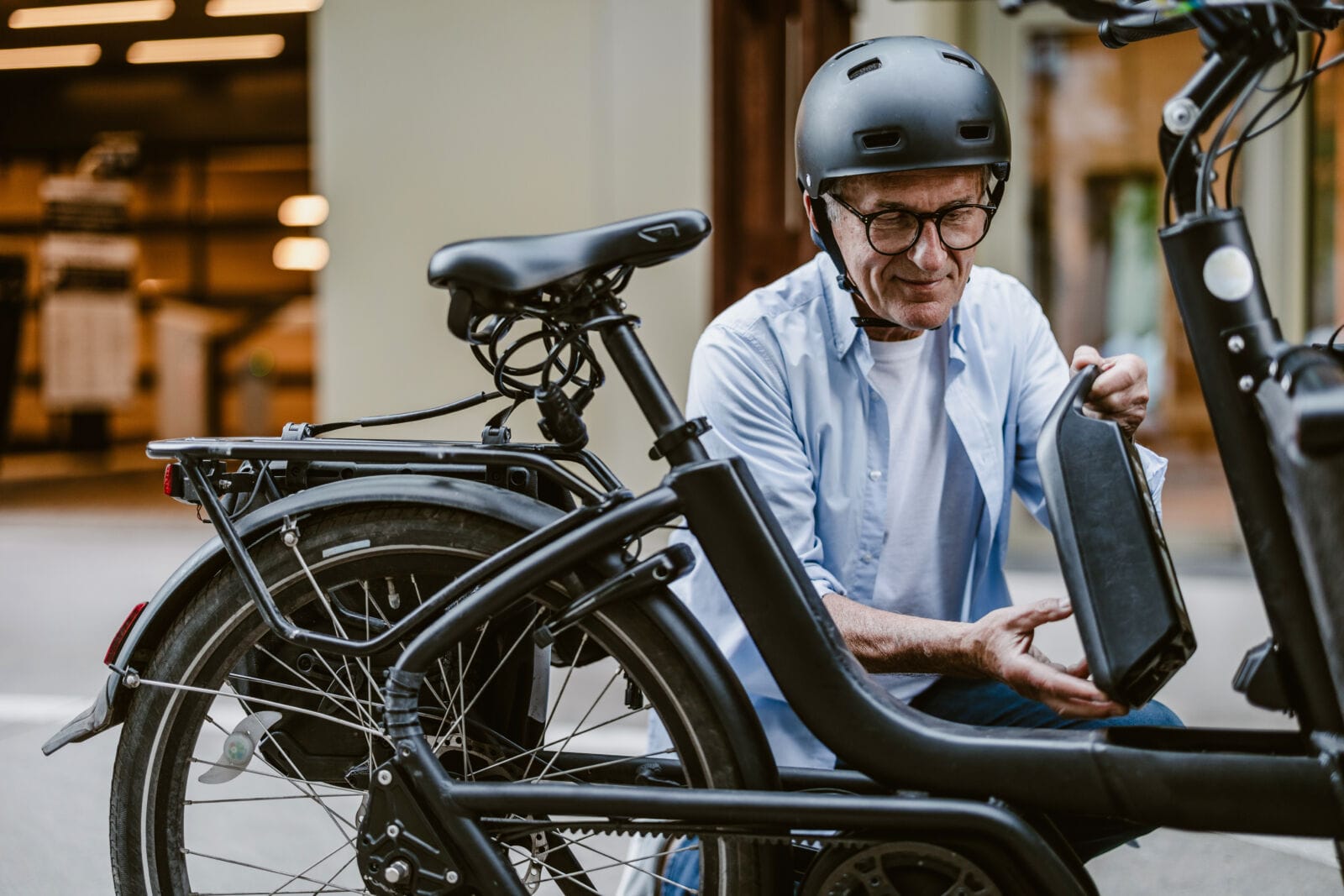
From central Phoenix to Tempe, Mesa and Tucson, electric bikes and stand-up scooters have become a practical way to cover short trips without hunting for parking. A motor that helps on the ride home makes a 5-mile commute far more realistic, even when the afternoon sun is doing its worst. Riding well in Arizona, though, takes a bit of planning: understanding what state law says about e-bikes, respecting the heat, and treating the battery with care.
Know Which Kind of E-Bike You Are Riding
Arizona law defines an electric bicycle as a bicycle or tricycle with fully operable pedals and an electric motor of less than 750 watts. Under Arizona Revised Statutes 28-101, it must also fit one of three classes:
- Class 1: The motor helps only while you pedal and stops assisting at 20 mph.
- Class 2: The motor can move the bike on its own, but it cannot provide assistance once the bike reaches 20 mph.
- Class 3: The motor helps only while you pedal and stops assisting at 28 mph.
Since January 1, 2019, manufacturers and distributors have been required to put a permanent label on each e-bike showing its class number, top assisted speed and motor wattage. If you are shopping secondhand, that label is the quickest way to confirm what you are actually buying.
Where You Can Ride, and What Can Change Locally
Under ARS 28-819, people riding an electric bicycle or an electric stand-up scooter have the same rights and duties as anyone riding a regular bicycle. The same statute says these riders are not subject to the state’s vehicle title, registration, vehicle license tax, driver license or vehicle insurance requirements.
Paths are where details matter:
- Class 1 and Class 2 e-bikes and stand-up scooters may use bicycle and multiuse paths, but the city, county or state agency responsible for a path can prohibit them on it.
- Class 3 e-bikes may not use a bicycle or multiuse path unless it is within or next to a road, or the agency in charge of the path allows them.
State law also lets local authorities regulate e-bikes and scooters, so rules can differ between neighboring cities. The U.S. Consumer Product Safety Commission notes that helmet requirements and riding locations vary by community. Before you settle on a route, check posted signs and your city’s transportation pages.
Plan Your Rides Around the Heat
Electric assist lets you choose how hard you work, which is a real advantage on hot days. You still feel the heat, and you can still get into trouble if you treat a summer afternoon like a spring morning.
- Ride early when you can. Morning commutes are usually the most comfortable part of the day in summer.
- Carry more water than you think you need, and drink before you are thirsty.
- Dress for sun, with breathable, light-colored layers, sunglasses and sunscreen on exposed skin.
- Use assist strategically. A higher assist level on the way home can keep you from arriving at your door overheated.
- Have a backup plan. Know where you could stop for shade, or how you would get home if you or the bike runs into trouble.
Treat the Battery Like It Matters
The lithium-ion battery deserves extra care in a hot climate. The National Fire Protection Association lists exposure to extreme temperatures among the causes of lithium-ion battery fires, alongside physical damage, overcharging, mismatched charging equipment and product defects.
A few habits go a long way:
- Keep it out of hot cars and direct sun when you are not riding. A closed vehicle parked outside in summer is a poor place to store a battery.
- Use only the charger supplied or recommended by the manufacturer. CPSC specifically warns against using universal chargers with micromobility products.
- Stay present while it charges. CPSC advises against charging while you are asleep or away from home, and recommends unplugging once charging is done.
- Do not use modified or rebuilt battery packs. Replacement batteries should be approved by the device’s manufacturer.
- Dispose of old batteries properly. Take them to a battery recycler or a household hazardous waste collection site, never the trash or curbside recycling.
Choosing an E-Bike for Desert Terrain
The right bike depends on where you ride. A paved commute along canal paths has different demands than packed dirt and gravel on the edge of town.
- Match the class to your routes. If your commute relies on a multiuse path, a Class 1 or Class 2 bike keeps more options open than a Class 3.
- Think about tires. Wider tires add comfort and grip on loose surfaces, while narrower tires roll more easily on smooth pavement.
- Prioritize brakes. Strong, well-maintained brakes matter on long descents and in traffic.
- Look for recognized safety certification. CPSC urges consumers to choose devices and batteries designed and certified to the applicable voluntary safety standards.
- Consider weight and storage. You will need to lift the bike onto racks, carry it upstairs or fit it into a small apartment.
Buying Online Without Surprises
Many popular e-bike and e-scooter brands sell directly to consumers, which can mean good prices but less hands-on support. Before you order, look closely at the warranty terms, what parts they cover and for how long, the return window, who pays return shipping, and how repairs are handled if no local dealer services the brand. A bike that ships in a large box can be expensive to send back.
Reading the fine print across several brands takes time. Comparing independent e-bike brand reviews that list prices, warranties and return rules, along with the date the information was checked, can help you narrow the field before you commit.
A Quick Pre-Ride Checklist
CPSC recommends checking the handlebars, brakes, throttle, bell, lights, tires, cables and frame for damage before you ride. Add a few Arizona-specific items:
- Battery checked for damage, swelling or unusual heat before you leave.
- Water bottle full, with a spare for longer rides.
- Front and rear lights working, especially for pre-dawn and after-dark rides.
- Helmet on. CPSC recommends always wearing a bicycle helmet.
E-bikes and scooters can make short trips around Arizona cities more convenient and enjoyable. Know your bike’s class, check local path rules, respect the heat and look after the battery, and you will spend more time enjoying the ride.