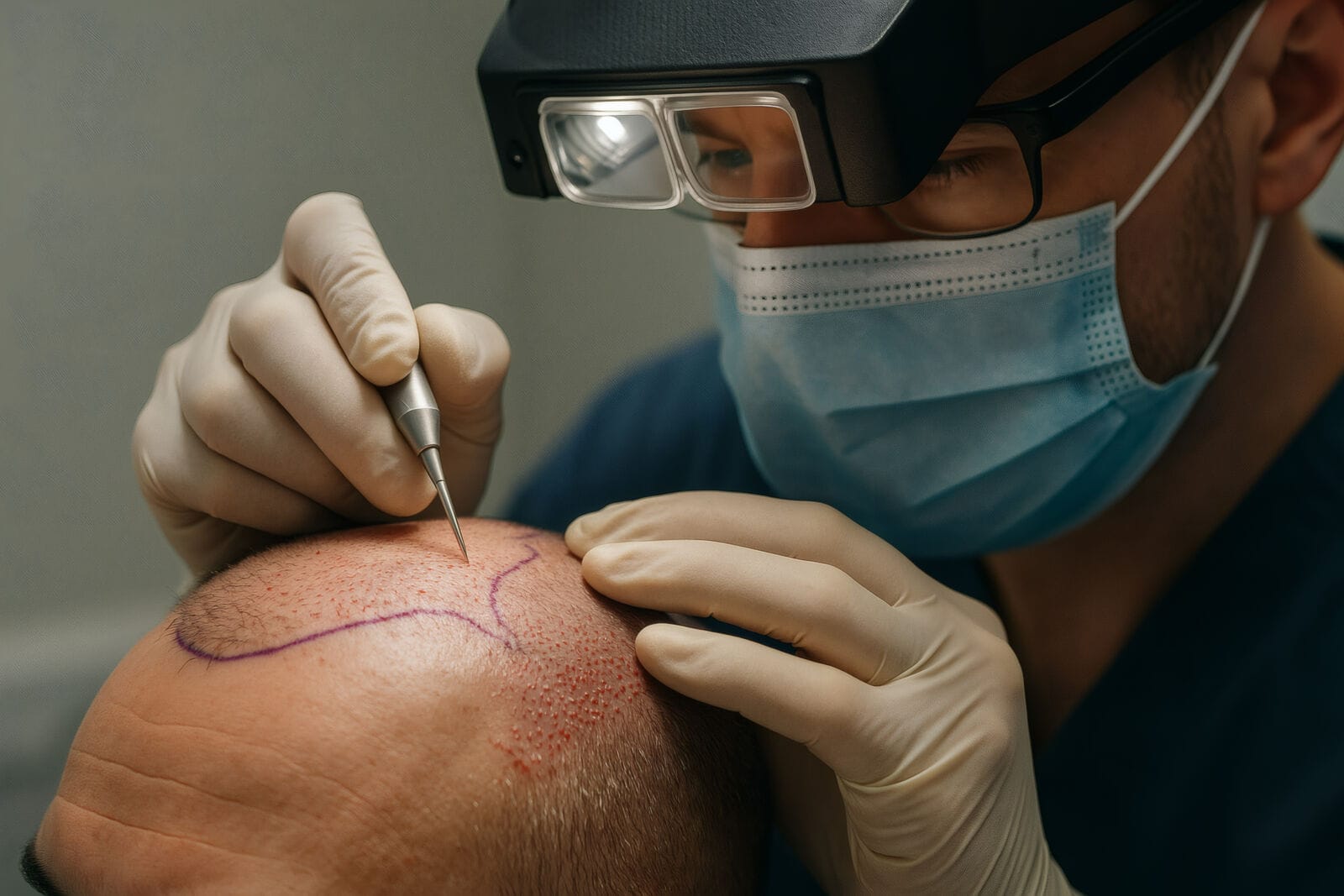
Hair loss rarely happens overnight. It starts with a photo you did not expect to see, a parting that looks wider than before, or a comment from your barber that stays in your mind longer than it should. For millions of men and women, that moment starts a quiet and often lonely search for answers. The journey from hair loss to hair restoration is not a straight line, but with the right guidance, it is much easier to handle than most people think.
Dr. Serkan Aygin is a dermatology specialist based in Istanbul. He has been doing hair restoration for 30 years, which makes him one of the earliest pioneers of the procedure in Turkey. With three decades in the field and recognition including the European Award in Medicine, his clinic has become a trusted name for patients who want both surgical skill and honest expectations. But what really separates a good result from a costly mistake? The answer lies in understanding the process before you commit to it.
Understand What You Are Losing
Before you talk about surgery, it helps to speak the same language as your doctor. Male pattern hair loss is usually measured with the Norwood Scale. This is a seven-stage system that maps hair loss from a slightly receding hairline to large bald areas, with hair left only in a horseshoe shape around the sides and back. For women, the Ludwig and Sinclair scales do a similar job. They describe thinning across the top of the head rather than the frontal recession that is more common in men.
Why does this matter? Because your stage decides your options. Early thinning, such as Norwood 2 or 3, often responds well to non-surgical treatments like finasteride and minoxidil. These can slow down loss and sometimes help hair grow back. Advanced loss, where bald patches have already formed, is where surgery becomes the main tool for restoring density. A clinic that recommends a transplant to a Norwood 2 patient without first talking about medication is skipping a step. On the other hand, a clinic that promises a full head of hair to a Norwood 6 patient through surgery alone is selling a dream.
Dr. Aygin’s approach starts with diagnosis, not a sales pitch. His team checks your donor density, hair thickness, and the direction of your loss before suggesting a graft count. This is the difference between a plan built for your body and a package built for a price.
The Techniques Behind Modern Restoration
Two methods lead the way in hair transplantation today. Understanding them helps you judge any clinic’s proposal.
Sapphire FUE uses blades made of sapphire crystal to create the small channels where grafts will be placed. These V-shaped cuts are finer and cleaner than traditional steel blades. This allows denser packing and faster healing. Dr. Aygin was among the first in Turkey to use this method, and it is still the preferred choice for advanced hair loss where maximum density is the goal.
DHI (Direct Hair Implantation) works differently. Instead of making channels first and placing grafts later, the Choi implanter pen opens the channel and places the follicle in one motion. This means grafts spend less time outside the body, which can push survival rates as high as 98%. DHI works especially well for the hairline, where angle and direction must look natural. It is also a good choice for patients who want to avoid shaving the recipient area.
Both methods share one truth that clinics sometimes hide: the surgeon’s role is not interchangeable. Dr. Aygin personally designs each patient’s hairline. This detail matters more than many patients first realize. A hairline that is set too low or angled wrong cannot be easily fixed later, and donor hair, once used up, does not grow back. When a clinic’s price seems too good to be true, the question to ask is who, exactly, will be doing the work.
The Cost Talk Nobody Wants to Have (But Should)
This is where things get uncomfortable, and where honesty matters most.
The cost of this procedure varies a lot, but Dr. Aygin’s clinic publishes an average hair transplant cost in Turkey, ranging from €2,700 to €4,500 for all-inclusive packages. Compare that to $10,000 to $25,000 in the United States or £7,000 to £12,000 in the UK, and the appeal is easy to see. The savings are real. They come from lower facility costs, favorable currency exchange, and Istanbul’s many specialized clinics. That does not mean every clinic is safe, though. The market has its share of operators who cut corners.
The warning signs are worth remembering. Be careful with “unlimited grafts” offers. Donor hair is limited, and no ethical surgeon treats follicles like a buffet. Ask directly who does the extraction and who opens the channels. Is it a named, verifiable doctor who stays in the room, or technicians whose qualifications you cannot check? Also pay attention to aftercare. A real clinic gives you structured follow-up for at least a year, not a WhatsApp number that goes silent once you fly home.
If you are thinking about a hair transplant in Turkey, the smart first step is to request a quote from Dr. Aygin’s team. The process starts with photos and your medical history. Then comes a personalized surgical plan. The price should follow the diagnosis, never the other way around.
What Recovery Really Looks Like
The months after surgery are when patience gets tested. Transplanted hair sheds in the first few weeks. This is normal and expected, not a sign of failure. New growth starts around month three or four. The true result only becomes clear at twelve months, and some patients see more improvement up to eighteen months. Anyone who judges a transplant at the airport is judging too soon.
Dr. Aygin’s clinic makes it clear that recovery plans are not one size fits all. Athletes, for example, should wait two to four weeks before going back to heavy training. Office workers can usually return to desk work much sooner. A good clinic prepares you for the full timeline, not just the day of the procedure.
The Bottom Line on Choosing a Surgeon
Hair restoration is a permanent decision in both directions. A good transplant lasts a lifetime, and a bad one needs repair that may not always be possible. The difference often comes down to whether the clinic cared about your diagnosis or just its calendar.
Dr. Serkan Aygin’s 30 years in the field cover the journey of hair restoration from strip surgery to sapphire FUE and DHI. That history gives you a fair starting point for your research. But the real advice is this: choose a surgeon who tells you what you need to hear, not what you want to hear. Ask who will be in the room. Ask what happens if the result falls short. Ask whether your donor area can support a second procedure if your loss gets worse.