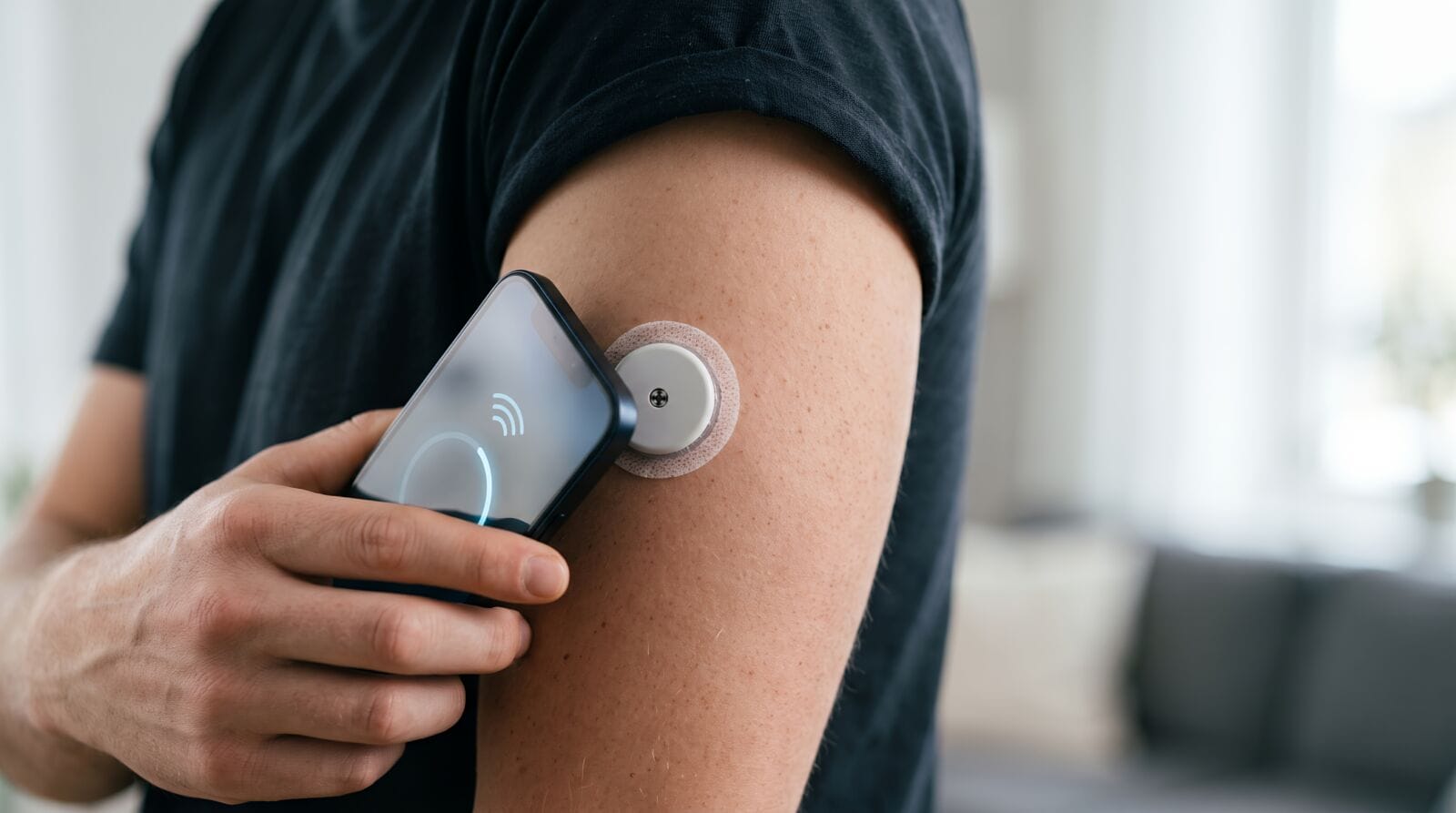
A modern blood sugar monitor gives patients more than isolated readings. It shows how glucose changes during sleep, meals, activity, medication, and daily routines. Continuous glucose monitors use a small sensor to collect readings throughout the day, then display patterns through a connected device. This steady stream of information helps patients notice changes sooner and discuss useful evidence with their healthcare providers. The most useful insights come from learning how to read those patterns.
From Single Readings To Continuous Data
A traditional glucose meter shows a blood sugar level at the moment of testing. That number matters, but it does not show what happened before the test or where glucose is heading.
A continuous blood sugar monitor records readings throughout the day, including during sleep. Patients can review current levels, recent movement, and repeated changes linked to meals, exercise, or medication. This record gives healthcare providers more information than occasional checks alone.
Patients who want fewer finger sticks can use a monitor that tracks glucose continuously through a small sensor. The sensor sends readings to a compatible smartphone or receiver, so patients can check data without carrying lancets and test strips. Alerts also notify users when glucose reaches a low or high threshold, which supports faster action during sleep, travel, or busy routines.
How Trend Arrows Add Context
A current glucose value tells patients where they are. A trend arrow shows the direction and speed of change. Together, these details provide a clearer picture of what the body is doing.
For example, a reading within a personal target range can still require attention if glucose is rising quickly. A higher reading can require a different response if the level is already falling. Patients should follow their healthcare provider’s instructions before changing insulin, food, or activity.
Trend information also helps patients compare similar situations. A breakfast that produces a sharp rise several mornings in a row deserves a discussion with a healthcare provider. The same applies to overnight lows or repeated changes after exercise.
Finding Patterns In Daily Routines
Continuous data help patients connect glucose changes with specific events. A patient can review readings after eating a familiar meal, taking medication, walking, or experiencing stress.
The goal is to identify repeated patterns, rather than react to every individual number. One unusual reading does not explain a routine. A pattern that appears across several days gives a more useful basis for clinical discussion.
Patients can keep brief notes beside their readings. Recording meal times, physical activity, medication timing, and symptoms makes the data easier to interpret. These notes also help healthcare providers compare behavior with glucose movement.
Alerts And Overnight Awareness
A monitor can alert patients when glucose becomes too low or too high. These warnings provide information that a meter cannot provide between manual tests.
Overnight alerts are especially useful because glucose changes can occur while a patient sleeps. An alert does not replace a treatment plan, but it tells the patient when to check the situation and follow prescribed instructions.
Patients should review alert settings with a healthcare provider. Thresholds need to match the individual’s treatment plan, age, health status, and risk of hypoglycemia. Clear settings reduce unnecessary alarm fatigue and help patients respond consistently.
Using Data During Medical Visits
A glucose report gives a healthcare provider a broader view of daily control. The report can show recurring highs, lows, overnight changes, and periods when readings move quickly.
Patients should bring questions about specific patterns. Useful questions include whether a repeated rise after breakfast needs attention or whether nighttime readings suggest a medication review. A provider can interpret these findings alongside medication use, laboratory results, symptoms, and health history.
Patients should never change prescribed treatment based on a trend alone. The report supports a clinical conversation, while the healthcare provider determines appropriate adjustments.
Protecting Accuracy And Privacy
Patients should follow the monitor’s instructions for sensor placement, wear time, and data sharing. A sensor reading can differ from a blood sample, particularly when glucose changes rapidly. If a reading conflicts with symptoms, patients should follow their provider’s guidance about confirmation testing.
Smartphone alerts also require practical planning. Patients should keep the device charged, allow necessary notifications, and understand what happens when the connection stops. Privacy settings also need attention when patients share reports with caregivers or healthcare providers.
Conclusion
A continuous glucose monitor turns scattered checks into a record of glucose movement across ordinary days and nights. Patients can use that record to spot repeated meal responses, overnight changes, and activity-related patterns. Next, review several days of readings with a healthcare provider while noting meals, medication timing, and exercise. That discussion can turn raw numbers into a safer, more informed diabetes management plan.