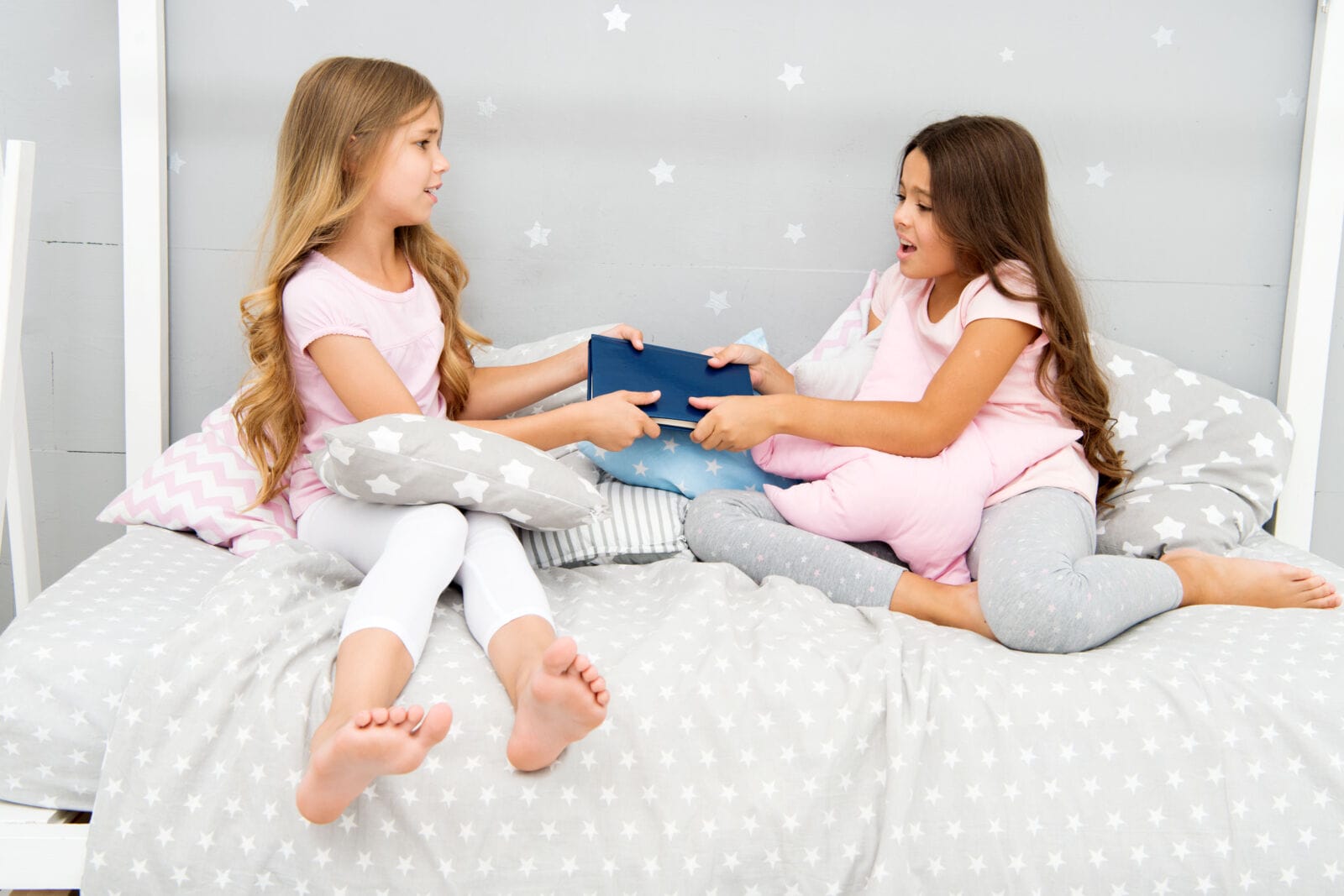
Two kids, one bedroom, and a surprising number of arguments about where one person’s space ends and the other’s begins. Shared rooms are common, and they work well when each child has something that is clearly theirs. Walls and floor space are limited, so the answer is rarely a bigger room. It is usually smarter kids room decor, chosen to mark small territories and keep the peace without turning the room into a border checkpoint. A few well-placed pieces can do more for sibling harmony than any rule about whose socks belong where, and they keep working long after the rule has been forgotten.
Why Shared Rooms Need Visible Boundaries
Children share toys and snacks relatively easily, but they guard their personal space fiercely, and a shared room puts that instinct to the test every single day. When everything looks the same, arguments start over things like a stray blanket, a lost sock, or a cup left on the wrong side of an invisible line that only one child can see. Visible markers fix this without any conversation at all. A name sign above each bed, a shelf with a personal color, or a hook with a favorite bag tells everyone at a glance what belongs to whom. Clear signals mean fewer reminders from parents and fewer fights between siblings, and they help the younger child learn the rules without being scolded.
Giving Each Child a Zone of Their Own
The easiest zone is the one around the bed, since that is where children already feel most at home. A wooden headboard shelf, a small wall panel with their name, or a single piece of art they chose themselves turns a few square feet into personal territory. Mirror the setup on the other side so neither child feels like they got the smaller half, even if the room itself is not perfectly symmetrical. The pieces do not have to match, only to be equal in size and importance, and each child can pick their own, because fairness matters more to kids than similarity ever will.
Keeping the Middle Shared and Calm
The center of the room is the neutral zone, and it works best when kept simple. A shared rug, a single low shelf for communal toys, and one lamp both children like create a place to play together without anyone feeling crowded or left out of the game. Resist the urge to fill that space with more decor, however tempting an empty wall can look. When the edges belong to each child and the middle belongs to both, a small room starts to feel organized instead of cramped, and the argument about the socks quietly goes away.