Sneaker resale activity often picks up during major shopping periods, including the weeks leading up to Black Friday. Limited releases, popular colorways, and discounted listings can bring more buyers and sellers together, both online and at in-person meetups. When two people meet to complete a transaction, however, there may be only a few minutes to examine a pair before deciding whether to buy it.
Photos and seller descriptions can help narrow down a choice, but they do not always show every detail. Lighting conditions, camera angles, and the condition of the shoes can make certain features difficult to assess. Bringing a small light gives buyers a practical way to inspect the materials, stitching, labels, and other visible details before handing over payment. A UV light can add another layer to that inspection, provided buyers understand what it can and cannot reveal.
A regular white-light beam is useful when inspecting sneakers in dim surroundings. Buyers can use a flashlight to examine the shape of the toe box, the edges of the outsole, the texture of the upper, and areas where dirt or wear may be less noticeable under ambient lighting. It can also help reveal scuffs, loose threads, creases, and differences between the left and right shoe.
Why Resellers and Buyers Bring Their Own Light
Sneaker condition can influence both resale value and a buyer’s decision. Even when a pair looks clean in photographs, an in-person inspection may reveal uneven stitching, signs of wear, marks around the sole, or repairs that were not clearly shown in the listing. Sellers also benefit from good lighting because it allows them to present the shoes honestly and answer questions about their condition.
A portable light is especially useful when a meetup takes place in a parking lot, outside a store, or in another location without strong overhead lighting. Natural daylight is often helpful, but it is not always available during evening transactions or the busy shopping season. Having a reliable light source makes it easier to examine the same areas from different angles instead of relying on a quick glance.
It is also important to separate condition checks from authenticity checks. A light can help reveal visible details that deserve closer attention, but it cannot establish that a sneaker is genuine on its own. Buyers should consider the overall construction, available documentation, seller history, and the purchase platform’s protections rather than treating one inspection method as a final answer.
Meeting Up in Low Light: The Case for a Real Flashlight
For a practical inspection, begin with the overall condition. Look at both shoes side by side, then move the light across the upper and sole rather than shining it from just one direction. Changing the angle can make surface marks and uneven finishes easier to notice. Check the heel, toe, sidewalls, and outsole for wear that might affect the pair’s value or suitability for everyday use.
White light is also useful for comparing visible details with the seller’s listing photos. Look for differences in color, shape, materials, and placement of logos or labels. Lighting can change how a color appears, so avoid making a decision based on one visual difference alone. If something does not match the listing, ask the seller for an explanation before completing the transaction.
How a Black Light Flashlight Fits Into a Legit Check
A black light flashlight produces ultraviolet (UV) light, which can make certain materials, residues, and markings appear different from how they look under ordinary lighting. In sneaker inspections, this can help buyers notice areas that may deserve a closer look, including some glue residues, surface treatments, or differences in how materials react to UV light.
During a meetup, UV inspection should be treated as one part of a broader visual check. Start by examining the shoes under white light, then use UV light to look at selected areas of interest. Comparing both views may help identify details that were not obvious at first. The reaction of a material depends on its composition, age, previous cleaning, and other factors, so an unusual glow does not automatically mean a shoe is counterfeit.
A UV light can also produce misleading results if buyers expect every authentic pair to react in exactly the same way. Different materials may fluoresce differently, while some genuine components may show little visible reaction. Likewise, residues or markings that appear under UV light can have ordinary explanations. Buyers should record any concerns and compare them with other evidence instead of drawing conclusions from fluorescence alone.
What to Look At: Glue Lines, Stitching, Labels and Midsoles
Glue lines around the upper and midsole are worth examining because excess adhesive, uneven application, or visible residue may affect the appearance of a pair. Under UV light, some adhesive residues may stand out more clearly, depending on the materials involved. However, not all adhesives react alike, and UV appearance varies between models and production processes.
Stitching is another area to check carefully. Under white light, look for loose threads, inconsistent spacing, uneven seams, and differences between the two shoes. UV light may reveal some differences in surface materials or residues near a seam, but it cannot reliably confirm stitching quality or prove authenticity. Construction details should always be considered together.
Labels and printed markings can also be inspected. Check whether the size information, product codes, and other visible details are consistent with the pair being offered. If a label looks unusual under UV light, do not assume that the reaction is evidence of a fake. Printing materials and coatings can vary, and the appearance of a label under UV is not a universal authentication standard.
Finally, inspect the midsoles and outsoles. Look for discoloration, cracking, uneven wear, repairs, or differences in finish. Use white light to assess the physical condition and UV light only as a supplementary check for visible residues or material reactions. A careful examination of the whole shoe is more useful than focusing on one feature in isolation.
Limits of UV: When to Rely on a Professional Authenticator
UV inspection is an aid, not a definitive authentication method. It may help a buyer notice details that deserve further attention, but it cannot establish the origin of a sneaker or verify every aspect of its construction. Authentic products can show unexpected reactions, and counterfeit products may reproduce some visible details convincingly.
For higher-value pairs, rare releases, or transactions where the buyer has significant doubts, a professional authentication service is a safer option. Established resale platforms may offer authentication procedures, dispute support, or purchase protections. Buyers should check the exact services and policies available before paying, since not every marketplace provides the same level of verification.
If a seller refuses reasonable inspection, pressures the buyer to rush, or cannot explain a major discrepancy, it may be better to pause the transaction. Request additional photographs, compare the pair with reliable references, or use a platform that supports authentication. A low price or a convincing appearance should not replace careful judgment.
A Pocket-Friendly Tool for Meetups: Olight ArkPro
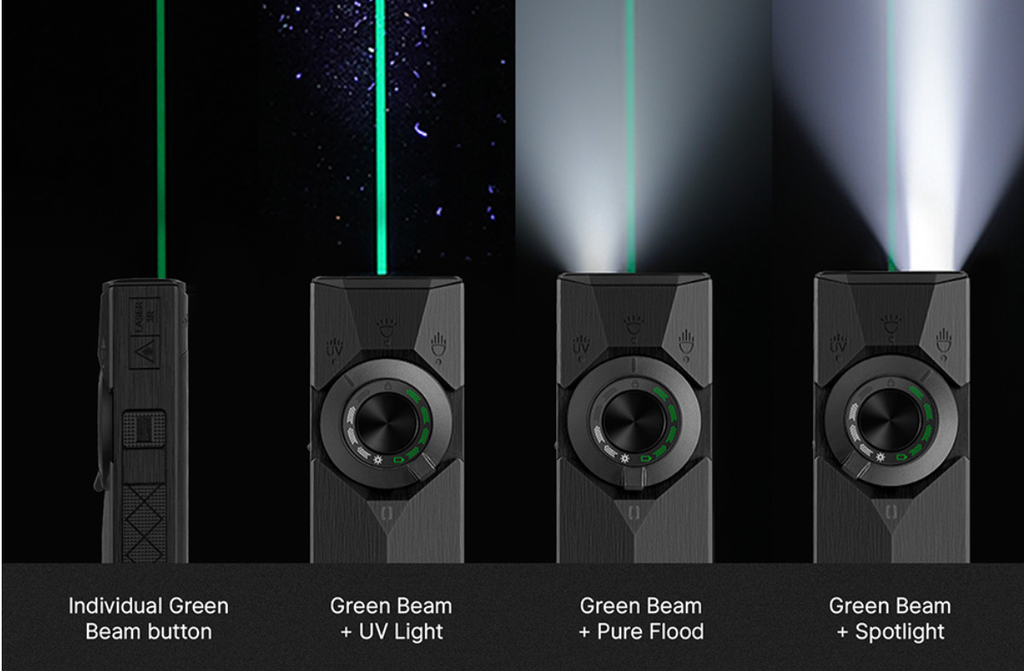
The Olight ArkPro combines several lighting functions in a flat, pocket-friendly design, making it a practical option for people who want to carry a light during sneaker meetups. Its 365 nm UV light can help users examine selected areas for material reactions or residues that may be difficult to notice under ordinary lighting.
For a general scan, the floodlight setting can illuminate a broader area, helping the user look over the shoe and identify places that deserve more attention. A focused light is useful for examining smaller details, such as a section of stitching, a label, or a glue line. Moving between broader illumination and closer inspection can make the process more organized without turning the light into a substitute for professional verification.
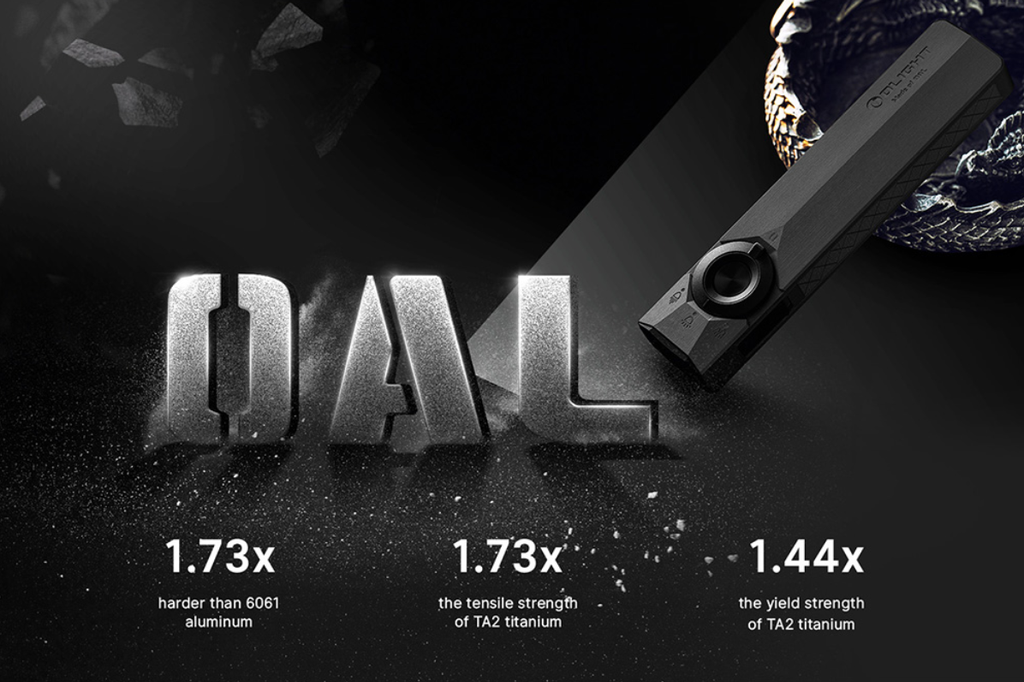
The ArkPro’s flat body also makes it easy to slip into a pocket or small bag before heading out to meet a seller. Buyers can use its lighting functions as part of a routine that includes checking the shoes under white light, reviewing the listing, and asking questions about anything unexpected. The product’s features support visual inspection, but they do not guarantee that a pair is authentic.
UV Safety and Fair-Dealing Tips for Face-to-Face Trades
UV light should be handled carefully. Never shine it into your eyes or another person’s eyes, and do not use it to illuminate someone’s face. Follow the manufacturer’s instructions for safe operation, and keep the light under adult supervision when children are present. A UV inspection should be brief and directed at the item being examined, not at people.
Fair dealing matters just as much as equipment. Buyers should explain that they want to inspect the pair before paying, while sellers should allow a reasonable opportunity to check its condition. Avoid making accusations based on one unusual reaction or a single construction detail. If a concern arises, discuss it calmly and seek additional evidence.
Before completing a sale, confirm the agreed price, inspect both shoes, review any included accessories, and use a payment method appropriate for the transaction. During the busy Black Friday season, taking a few extra minutes can help both parties make a more informed decision. A regular flashlight, a black light flashlight, and a careful inspection routine can support that process—as long as buyers remember that professional authentication remains the better choice when certainty is important.