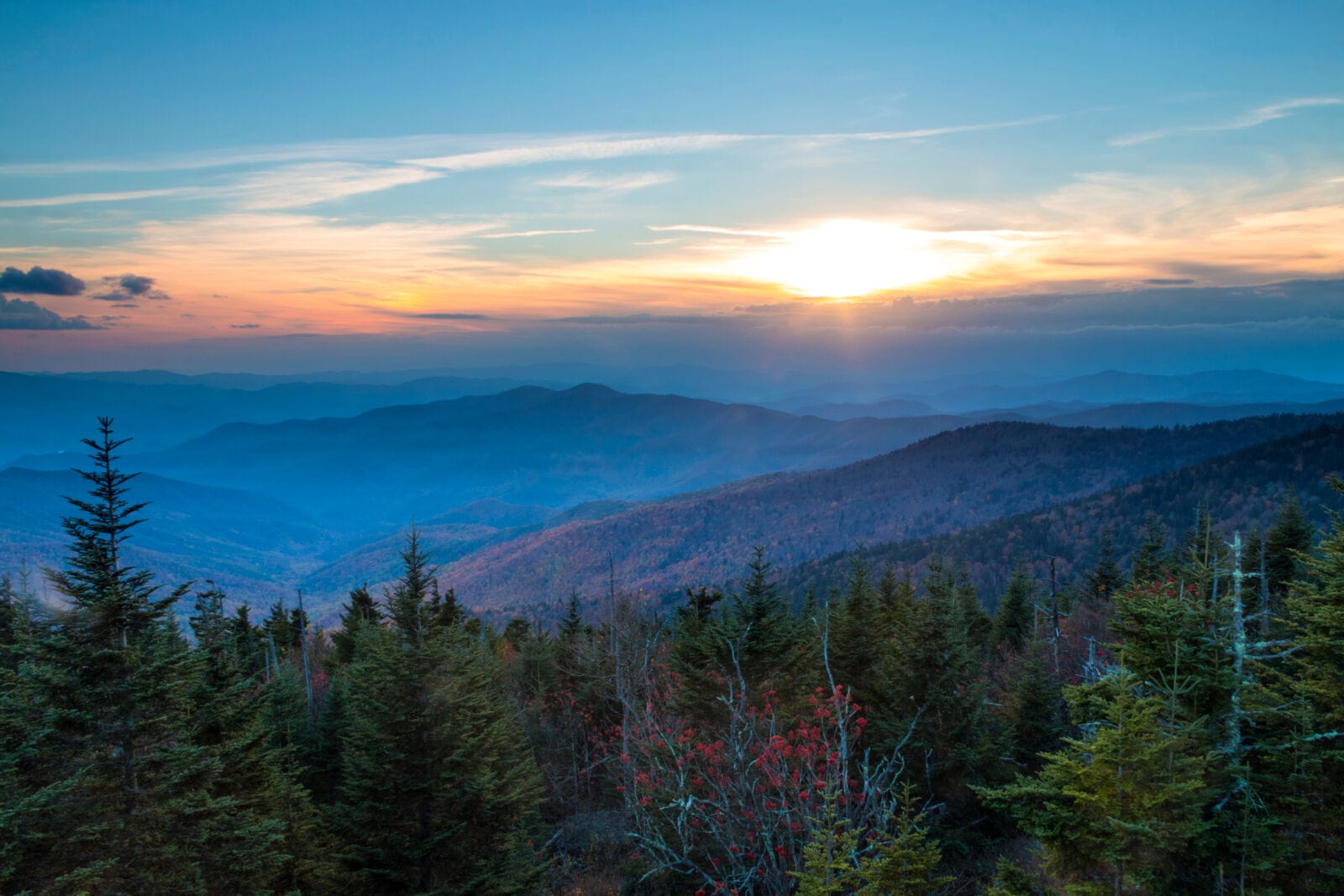
Camping has a way of stripping life down to its simplest, most rewarding parts. The crackle of a fire, the quiet rustle of trees, and the slow rhythm of mornings spent outdoors all combine to create memories that stay with you long after the trip ends. Yet a truly great camping experience does not happen by accident. It takes thoughtful planning, the right setting, and a willingness to slow down and let nature do the rest. For those drawn to forested ridges, misty valleys, and rivers that wind through quiet woodland, the Smoky Mountains continue to be one of the most rewarding destinations for an outdoor escape.
This guide walks you through every part of planning a camping trip that feels rewarding from the moment you arrive to the moment you pack up and head home.
Finding the Right Place to Stay
One of the most common mistakes new campers make is underestimating how much the choice of accommodation shapes the entire trip. A poorly chosen spot can mean uneven ground, no shade, distant restrooms, or a lack of access to the natural features that drew you outdoors in the first place. When the place you sleep falls short, even the best-planned itinerary starts to feel like a chore rather than a getaway. A Smoky Mountain campground that offers riverside sites, full hookups, and easy access to the surrounding wilderness would be the ideal spot to unwind after a long day outdoors. Uncle Jim’s River Cove Campground sits along the riverbank of the West Prong of the Little Pigeon River, with spacious sites that can accommodate everything from tents to big rigs, each one equipped with a fire pit, a charcoal grill, and a picnic table. A well-run spot like this gives you direct access to nature while keeping the practical comforts close at hand, ensuring your trip feels relaxed from the first night to the last.
Choosing the Best Time of Year
Timing shapes your entire experience more than most people realize. Spring brings wildflowers and cool mornings, but rain can roll in without warning. Summer offers long days and warm evenings, ideal for swimming and late campfires, though popular areas fill up quickly. Fall is widely considered the sweet spot for outdoor lovers, with crisp air, golden foliage, and far fewer crowds. Winter trips are reserved for those who enjoy solitude and do not mind layering up.
Think about what you want to do most during your trip. If hiking and wildlife spotting top your list, cooler months give you more comfortable temperatures. If swimming, paddling, or evening barbecues sound better, the warmer half of the year will serve you well.
Packing With Purpose
Overpacking is just as bad as underpacking. A bulky setup means more time unloading, organizing, and repacking, which eats into the hours you came to enjoy. Start with the essentials: shelter, sleeping gear, a reliable light source, cooking equipment, weather-appropriate clothing, and a basic first aid kit. From there, add comfort items that suit your style of travel, such as folding chairs, a small table, or a hammock.
Pay close attention to layering. Mornings and nights in wooded, elevated areas tend to feel much cooler than daytime hours, even in warmer months. A light jacket, thermal base layer, and waterproof shell can carry you through most conditions without taking up much room.
Planning Meals That Make Sense
Food is one of the simple pleasures of being outdoors, but it can quickly become a source of stress without a plan. Decide your meals before you leave home and prep what you can in advance. Marinated proteins in sealed bags, pre-chopped vegetables, and pancake batter mixed and stored in a bottle all save time once you arrive.
Stick to recipes that need minimal cookware. One-pan meals and foil packets cut down on cleanup and free you up to enjoy the surroundings. Bring a sealed cooler with plenty of ice, and store anything that attracts wildlife in secure containers, especially overnight.
Building an Itinerary Without Overbooking
A common trap among first-time planners is filling every hour with activity. A good trip works best when there is room to breathe. Pick one or two main outings each day, such as a morning hike, an afternoon swim, or a scenic drive, and leave the rest of the time loose. Some of the best moments happen unplanned, when you spot deer near your site at dusk or end up chatting with neighbors.
If you are traveling with family, mix the pace. Younger kids need shorter walks and frequent breaks, while teenagers and adults may want longer trails or more challenging routes. A balanced schedule keeps everyone engaged without anyone feeling rushed.
Respecting the Outdoors
Memorable trips are built on more than just personal enjoyment. They also depend on leaving the land as you found it. Stick to marked trails, pack out everything you brought in, and never feed wildlife. Use established fire rings rather than starting new ones, and always make sure any flames are fully out before turning in for the night.
Small habits go a long way. Carrying a trash bag on hikes, using biodegradable soap, and keeping noise to a reasonable level all show respect for the people and creatures that share the space with you.
Making Room for the Quiet Moments
The most lasting parts of any outdoor trip are rarely the planned highlights. They are the quiet pauses in between. Watching the sky shift from pink to indigo, listening to water move past your spot, or sharing stories late into the evening all leave deeper impressions than any photo can capture. Allow yourself to step away from your phone, sit still, and take in what is around you. That stillness is the reward.
A well-planned camping adventure blends preparation with flexibility. Choose your destination with care, pack what you truly need, eat well, move at a reasonable pace, and treat the land with respect. Do that, and the memories you bring home will be the kind worth returning to again and again.