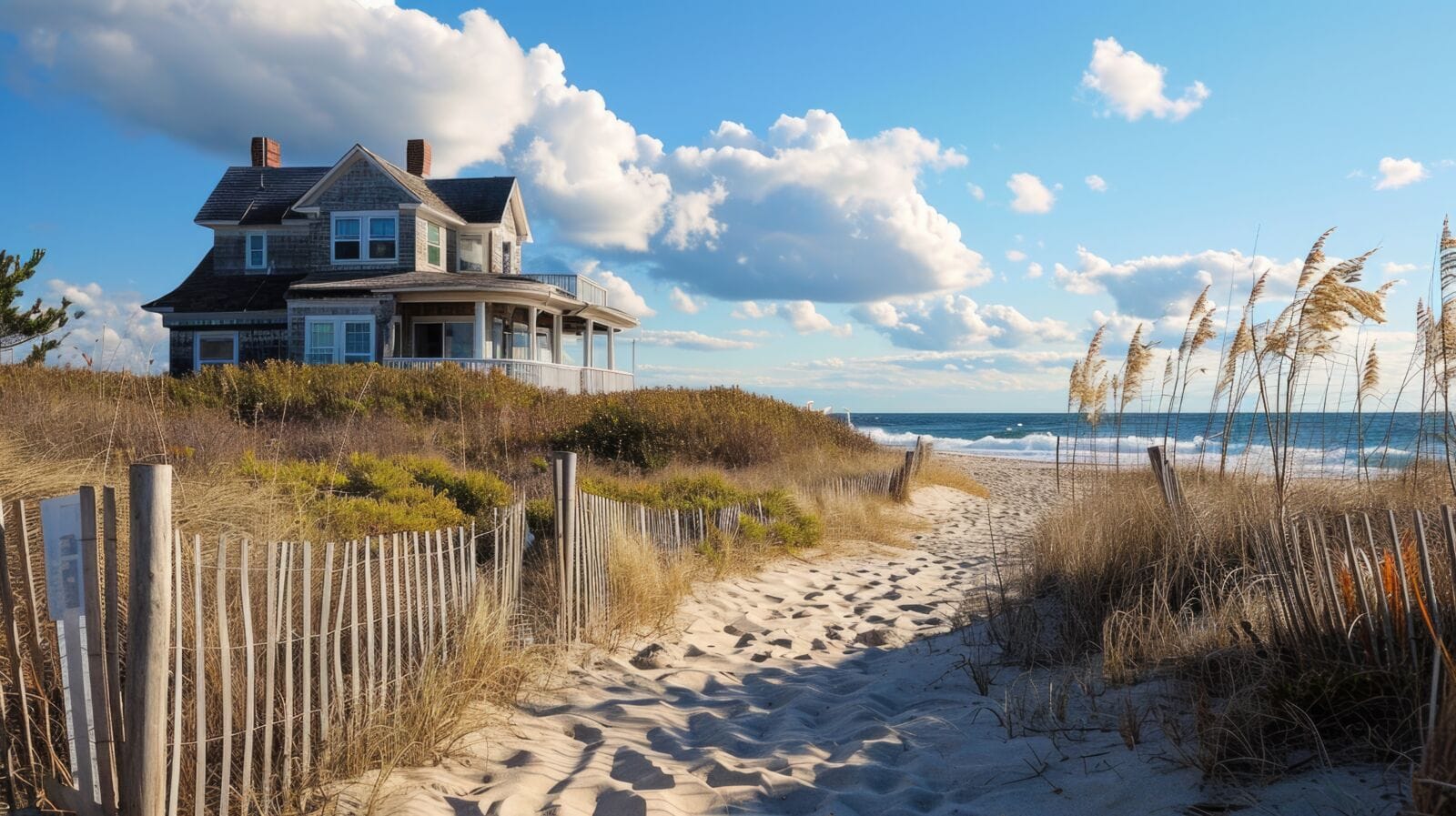
The Hamptons occupy the southern fork of Long Island’s eastern end, about a hundred miles from Manhattan. For a region that lives in the national imagination largely as a summer destination, the Hamptons reward visitors who come at other times, with better light, lower prices, and the small-town texture that the July crowd tends to flatten.
What follows is a plain-spoken guide for first-time visitors, with notes on the towns, the seasons, and the parts of the East End that most quick trips miss.
The Towns and How They Differ
The Hamptons are not one place. The strip running from Westhampton to Montauk includes a dozen distinct villages, each with its own feel, main street, and relationship to the water.
Southampton tends to be the formal entry point, with the oldest history and a quieter downtown than its reputation suggests. East Hampton leans more polished, with a village green and a tighter cluster of shops. Montauk, at the far end, keeps a working-port roughness that the others shed decades ago.
Reading the Seasons
The East End runs on a calendar that locals know well. Visitors who understand it can time a trip to a season that fits what they want from it.
Spring: Opening the Houses
April and May are the opening acts. The ocean is still cold, but the farm stands reopen, the first vineyards begin pouring, and the restaurants that closed in January come back online. Rentals are cheaper and the roads are open.
Summer: The Peak
Memorial Day through Labor Day is the full engine. Traffic thickens, beach parking fills by nine, and the social calendar is dense. For visitors who want the full version of the Hamptons, this is it, with the trade-offs that come with any destination at peak.
Fall: The Light Turns
September and October are, by consensus, the quiet high point. The ocean stays warm into October, the crowds thin, the pumpkin and apple crops come in, and the sun angles low across the dunes. Many returning visitors come only in the fall.
Beyond the Beach
A common mistake on a first trip is to treat the Hamptons as a beach destination with a few restaurants attached. The region rewards a wider lens.
Inland, farm stands and vineyards run the length of both forks. In Sag Harbor, a whaling history still shows in the architecture and the small museums. In Amagansett and Wainscott, the farms sit close enough to the beach that a morning swim and a stand-up lunch feel like one errand.
Travellers often look for a thoughtful getaway on Long Island as a base, settling into one of the villages for a week and letting the days unspool between beach, town, and the farm country just a few miles north.
Practical Notes for First-Time Visitors
A few practical points are worth knowing before the drive east. The Long Island Expressway is the main artery, and it does not forgive late starts on a Friday afternoon in July. Trains are an alternative, with the Long Island Rail Road running out of Penn Station.
Once on the East End, a car is useful but not strictly required for shorter stays near town centers. A rented bicycle, in the right season, covers more ground than first-time visitors expect.
Reservations matter more than they used to. Popular restaurants book weeks ahead for summer weekends, and the smaller inns fill fast for shoulder-season holidays. A little planning compounds into a much easier trip.
Weather is worth watching too. The East End catches ocean systems that can turn a Saturday beach day into a reading afternoon, and the shoulder months are especially variable. A loose itinerary tends to hold up better than a packed one.
The Season You Choose
The Hamptons are not a single experience. They are a region with a long shoulder, a working calendar, and plenty of texture that the headline version misses. The season a visitor picks ends up shaping the trip more than any individual stop or town.