
People are becoming more intentional about how they manage their everyday well-being. From tracking sleep to creating a calmer evening routine, many are looking for practical ways to make wellness fit into their lives without adding more appointments or complicated commitments.
Technology has made some of these habits easier to access at home. Wearable devices can help people observe activity and sleep patterns, while guided applications and home-use wellness products offer different ways to approach relaxation and daily self-care.
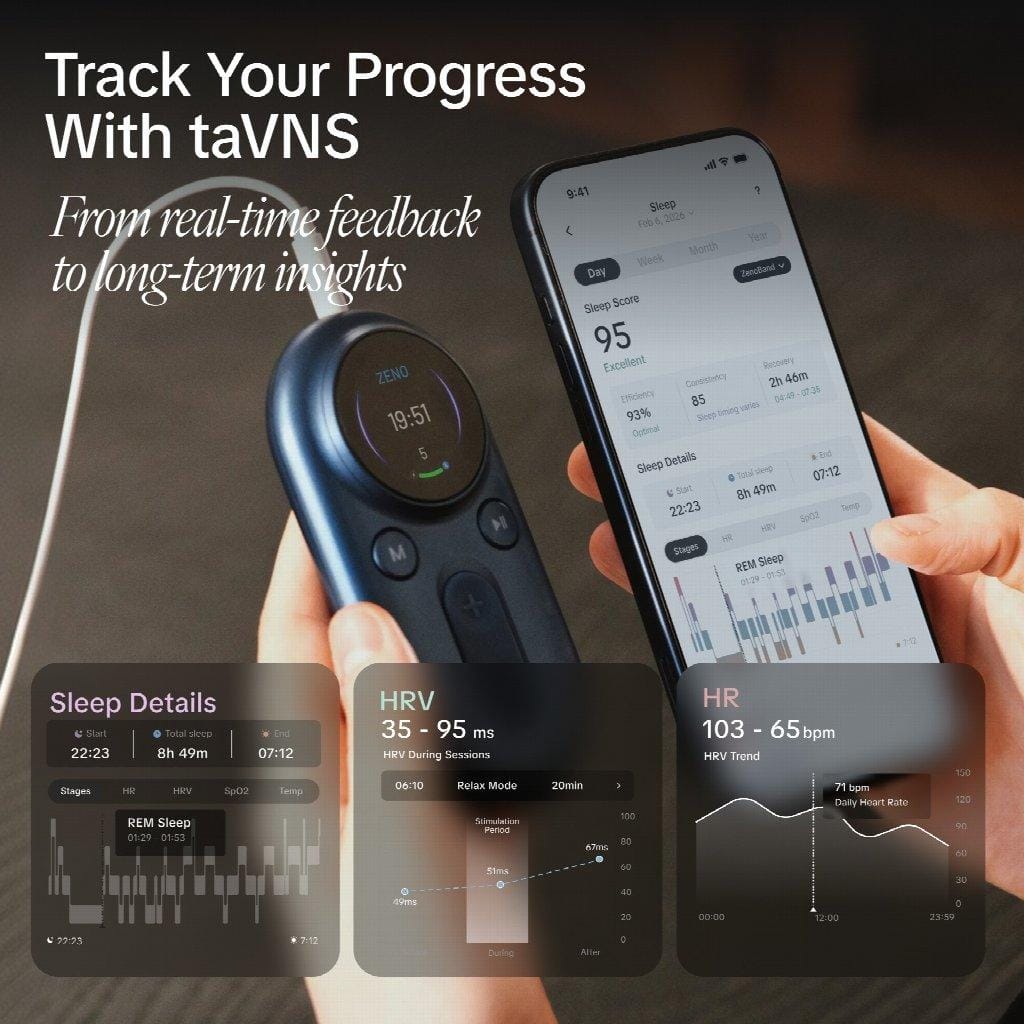
McKinsey & Company’s 2024 wellness research found that 58% of surveyed U.S. consumers said wellness had become a higher priority than it was a year earlier. This growing interest helps explain why consumers are exploring more at-home options. However, greater interest does not automatically mean that every product is effective or suitable for every user.
The real appeal of at-home wellness technology is convenience. A useful device should fit into an existing routine, serve a clear purpose, and provide realistic value without making everyday health management more complicated.
Why Consumers Are Bringing More Wellness Habits Home
Traditional wellness activities often require time, planning, or travel. A fitness class means arranging a schedule, while an appointment may be difficult to fit around work and family responsibilities. Even simple relaxation practices can be overlooked when the day is already full.
At-home technology can reduce some of these barriers. A wearable can record activity during an ordinary day, a guided application can lead a short breathing session, and a home-use device can make a particular wellness practice available when it suits the user.
Convenience, however, is only part of the picture. At-home tools can also help people become more aware of their habits. For example:
- A sleep tracker may reveal that bedtime varies considerably across the week.
- An activity wearable may help someone notice how much time they spend sitting.
- A guided relaxation application may provide structure for a short break after work.
- A home-use wellness device may make a chosen routine easier to repeat consistently.
Each example serves a different purpose. The value lies in whether the information or activity helps someone make a useful change, not simply in the amount of data or technology involved.
For consumers exploring at-home wellness technology, the best starting point is a specific need. Improving awareness of daily habits, creating a relaxation routine, and addressing a persistent sleep problem are different goals and should not be treated as interchangeable.
From Tracking Health to Supporting Everyday Habits
Consumer wellness technology has expanded from basic activity tracking to products that monitor selected health-related measurements and guide daily practices. Yet collecting information and changing behavior remain two different things.
A sleep tracker might show an irregular schedule, but it cannot automatically create a more consistent bedtime. An application may guide a meditation session, but it cannot ensure that the user will make time for it regularly.
Mwangi et al. (2024), in an interdisciplinary systematic review of wearable technology and consumer well-being, examined how wearable use relates to users’ experiences and well-being. Their work highlights the importance of understanding the context in which these products are used rather than assuming that technology itself guarantees better outcomes.
When comparing at-home wellness products, it helps to distinguish their primary roles.
| Device category | Primary purpose | Important consideration |
| Sleep-tracking wearable | Estimates sleep-related patterns and metrics | Measurements are estimates, not a diagnosis |
| Fitness tracker | Records activity and selected physiological metrics | Data is most useful when it informs realistic behavior changes |
| Guided relaxation application | Provides breathing, meditation, or relaxation sessions | Benefits depend on individual response and consistent use |
| Non-invasive VNS device | Delivers electrical stimulation through a specified external site | Evidence and safety depend on the device and stimulation protocol |
These categories overlap in the broader wellness market, but they are not substitutes for one another. A product that measures sleep serves a different purpose from a device that delivers electrical stimulation.
The most useful technology is not necessarily the product with the most features. It is the one that addresses a clear need, fits comfortably into daily life, and does not create more work than it removes.
Why At-Home Vagus Nerve Stimulation Is Getting Attention
One area attracting interest within home-use wellness technology is non-invasive vagus nerve stimulation. It sits at the intersection of neuroscience, wearable devices, and approaches intended to support everyday relaxation routines.
The vagus nerve is a major communication pathway between the brain and body. It is involved in functions such as heart rate regulation and digestion and plays a role in the autonomic nervous system, which helps regulate many functions that occur largely outside conscious control.
Vagus nerve stimulation is not one single type of intervention. Different approaches use different devices, stimulation sites, and intended purposes.
| Approach | How stimulation is delivered | Key distinction |
| Implanted medical VNS | A surgically placed device stimulates the vagus nerve | Used for specific medical indications under clinical care |
| Cervical non-invasive VNS | External stimulation is applied around the neck | Does not require surgical implantation |
| Auricular VNS (taVNS) | Electrical stimulation is applied through the skin at selected outer-ear regions | Targets areas associated with the auricular branch of the vagus nerve |
Auricular vagus nerve stimulation, commonly called taVNS, has attracted research interest because it allows investigators to study vagal pathways without implanting a device. However, non-invasive approaches should not automatically be equated with implanted medical VNS or assumed to share the same clinical evidence.
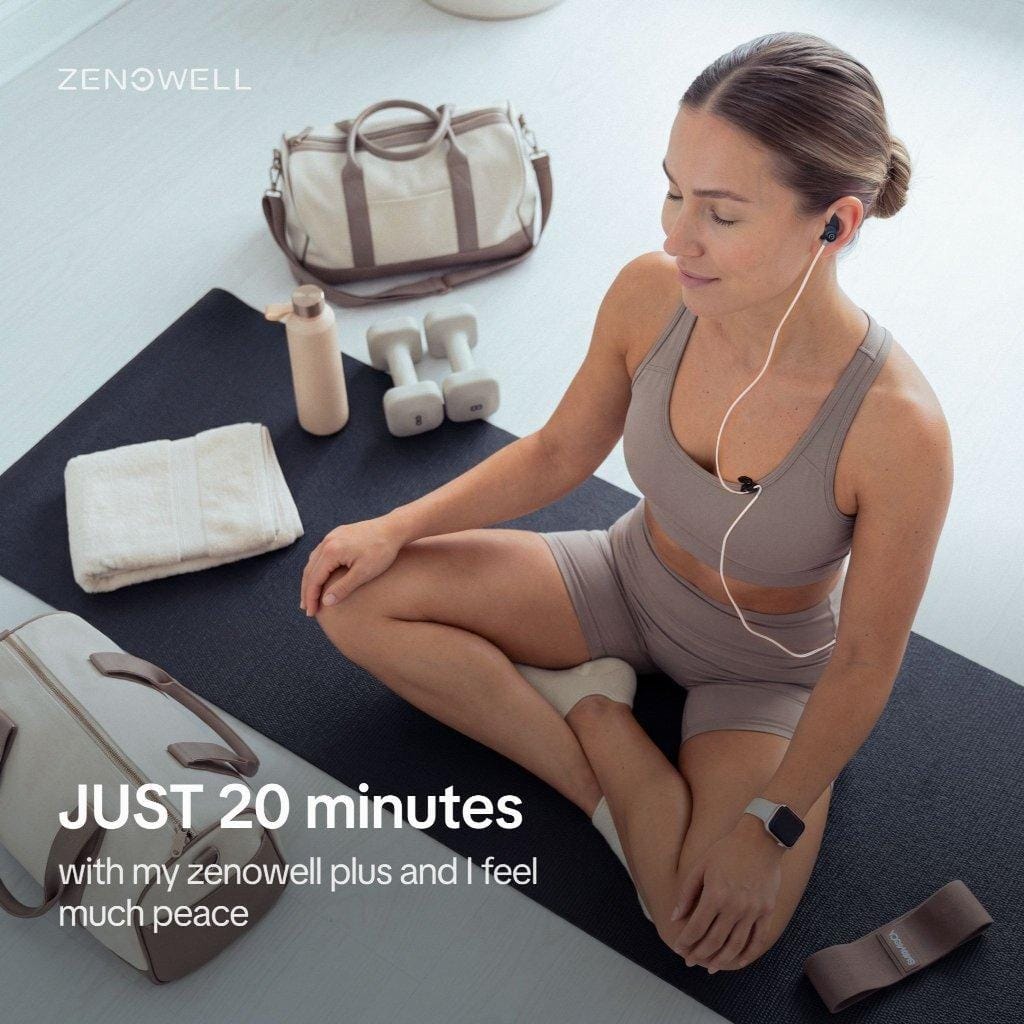
For readers considering vagus nerve stimulation at home, the important questions concern the particular device, its intended use, its instructions, and the evidence supporting its claims.
Research involving a specific stimulation protocol or clinical population does not establish that every consumer device produces the same effects. A plausible biological mechanism is not, by itself, proof of a particular wellness benefit.
What Makes a Home Wellness Device Worth Using?
With more products available, choosing a device can become more complicated than the habit it is supposed to support. A practical evaluation starts with the user’s goal rather than the product’s feature list.
Five considerations are particularly useful:
- Purpose: Is the device intended for general wellness, activity tracking, relaxation, or a specific medical use?
- Evidence: Do the available studies support claims about this particular product, or do they involve a different device or intervention?
- Usability: Is it comfortable and straightforward enough to use consistently?
- Safety: Are instructions, precautions, and limitations clearly explained?
- Realistic expectations: Does the product complement healthy habits, or does its marketing imply that it can replace sleep, lifestyle changes, or appropriate medical care?
Regulatory status also matters. The U.S. Food and Drug Administration distinguishes certain low-risk general wellness products from products intended for medical purposes. Consumers should not interpret a wellness label as proof that a device is effective for treating a condition or appropriate for every user.
For devices involving electrical stimulation, it is particularly important to follow product-specific instructions and safety precautions. People with relevant medical conditions or implanted electronic devices should seek appropriate professional guidance before use.
A responsible product description should explain what the device is designed to do, how it is used, who should exercise caution, and what users can reasonably expect. Clear information is more valuable than broad promises that are difficult to verify.
The Limits of Managing Wellness at Home
At-home technology can make certain habits more accessible, but it also places more responsibility on consumers to interpret information and understand limitations.
A wearable may estimate sleep duration without identifying why someone sleeps poorly. A relaxation device may provide a structured activity without demonstrating that it improves a particular health outcome. An application may encourage consistency, but it cannot resolve every underlying cause of stress or fatigue.
There is also a risk of turning wellness into constant self-monitoring. Tracking more measurements does not necessarily produce better decisions, and daily fluctuations do not always indicate a meaningful change in health.
A more practical approach is to:
- Choose tools that address a defined need.
- Understand what the device measures or does not measure.
- Use results as context rather than treating every score as a definitive health assessment.
- Reassess whether the product remains useful over time.
- Seek professional evaluation for persistent symptoms instead of relying solely on consumer technology.
At-home wellness products can complement healthy routines, but they are not substitutes for professional care when medical assessment or treatment is needed.
A More Practical Future for At-Home Wellness
The appeal of at-home wellness technology is not simply that consumers can buy more devices. It is that some products can make useful habits easier to access, observe, and repeat.
Long-term value will depend on more than novelty. Comfortable design, clear instructions, credible evidence, realistic claims, and a good fit with everyday routines are all important considerations.
For consumers, the most sensible starting point is to identify the habit or concern they want to address before choosing a product. Someone who wants to understand their sleep patterns may need a different tool from someone looking for a structured relaxation practice.
Technology should make that process easier, not create another set of demands. The best at-home wellness approach combines useful tools with sustainable habits and a clear understanding of what technology can and cannot do.
References
McKinsey & Company. (2024). The trends defining the $1.8 trillion global wellness market in 2024.
Mwangi, V. N., et al. (2024). Prevalent elements of consumer wellbeing in wearable technology use: An interdisciplinary systematic review and future research agenda. Psychology & Marketing.
U.S. Food and Drug Administration. (2026). General Wellness: Policy for Low Risk Devices: Guidance for Industry and Food and Drug Administration Staff.