Commercial outdoor lighting in Arizona has to handle conditions few other states face: extreme summer heat, intense sun, monsoon dust storms and some of the strongest dark-sky traditions in the world. The best systems use durable, heat-rated LED fixtures, shielded designs that direct light downward and warm color temperatures that respect local lighting codes and night skies. Low-voltage LED landscape and architectural lighting is especially well suited to Arizona businesses because it’s energy efficient, safer to install around landscaping and easier to adapt as properties grow.
In Arizona, good lighting has to look great, survive the climate and protect the stars.
Why Arizona Lighting Is Different
Businesses across the state, from Phoenix office parks to Scottsdale resorts and Tucson retail centers, face a unique mix of challenges:
- Extreme heat: Summer temperatures can push equipment and electronics to their limits.
- Strong sunlight: UV exposure can fade finishes and degrade lower-quality materials.
- Monsoon storms: Dust, wind and heavy rain can coat fixtures and test their seals.
- Dark-sky protections: Many communities have lighting codes designed to reduce light pollution.
- Outdoor-focused design: Patios, landscaping and courtyards play a big role in commercial properties.
Lighting systems that work well in milder climates may not perform as reliably here.
A Proud Dark-Sky Heritage
Arizona has long been a leader in protecting night skies, partly because of its role in astronomy. Flagstaff passed early outdoor lighting rules in 1958 and in 2001 became the world’s first International Dark Sky City, a recognition that inspired dark-sky communities around the world. Sedona and other Arizona towns have since followed with their own designations and lighting standards.
In southern Arizona, outdoor lighting codes also help protect the observatories that make the region a center for astronomical research. For businesses, this means that lighting choices are often shaped by local rules on shielding, brightness and color temperature. Working with fixtures that meet these expectations from the start can simplify approvals and avoid costly changes later.
Designing for Heat and Durability
Arizona’s climate demands careful fixture selection:
| Challenge | How it affects lighting | What to look for |
| High ambient temperatures | Can shorten the life of drivers and electronics | Fixtures rated for high operating temperatures |
| Intense UV exposure | Fades paint and weakens plastics | UV-resistant finishes and metal housings |
| Dust and haboobs | Reduces light output and clogs fixtures | Sealed designs with strong ingress protection |
| Monsoon rain | Can let water into poorly sealed fixtures | Weather-resistant gaskets and enclosures |
| Large temperature swings | Can stress materials over time | Quality construction and durable components |
Choosing well-built fixtures reduces maintenance and keeps properties looking polished year round.
Why Low-Voltage LED Lighting Works So Well
For many Arizona businesses, low-voltage LED lighting offers an ideal balance of performance, efficiency and flexibility. Using professional-grade exterior lighting designed for commercial landscapes and architecture can help properties stand out at night while managing long-term costs.
Key advantages include:
- Energy efficiency: LEDs use far less power than older lighting technologies.
- Long service life: Fewer replacements mean lower maintenance costs.
- Safer installation: Low-voltage systems reduce electrical risks around landscaping and water features.
- Design flexibility: Fixtures can be adjusted or expanded as properties evolve.
- Precise control: Beam angles and dimming options help direct light exactly where it’s needed.
- Dark-sky friendly options: Shielded fixtures and warm color temperatures support local regulations.
These benefits are particularly valuable for properties with extensive landscaping, multiple buildings or outdoor dining areas.
Lighting Strategies for Arizona Businesses
Effective commercial lighting balances safety, branding and atmosphere:
- Light entrances clearly so customers and visitors feel welcome and secure.
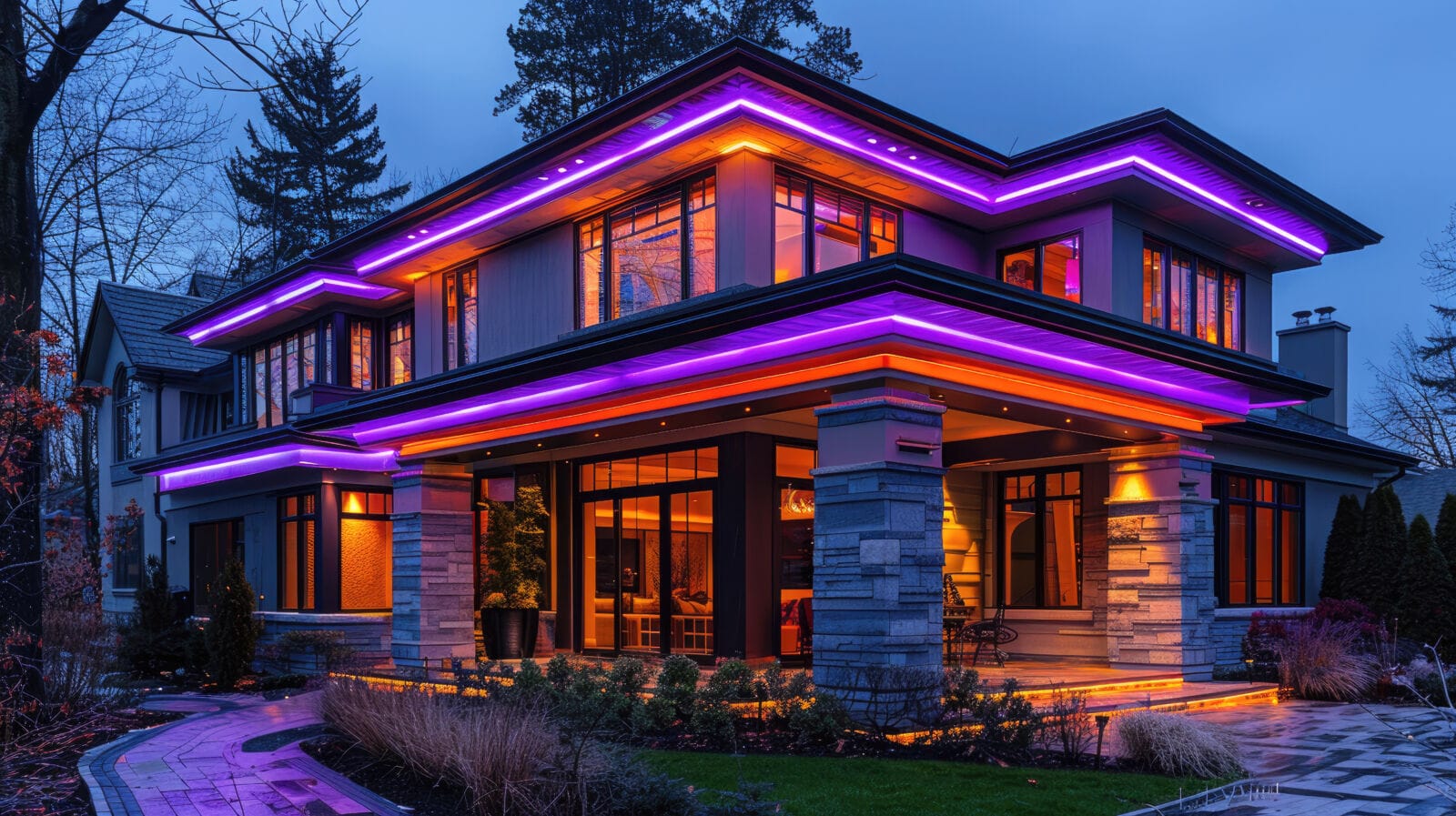
- Highlight architecture with carefully aimed fixtures that showcase key features without excess glare.
- Illuminate pathways and steps for safe movement across properties.
- Showcase desert landscaping by accenting palo verde trees, saguaros, agaves and stone features.
- Support outdoor dining and patios with warm, inviting lighting that encourages guests to stay longer.
- Use warm color temperatures to create comfortable environments and reduce blue light.
- Add timers and controls so lights operate only when needed.
A layered approach creates depth and visual interest while keeping energy use and light pollution under control.
Maintenance After Monsoon Season
Arizona’s monsoon season can take a toll on outdoor lighting. After storms, a quick inspection helps keep systems performing well:
- Clean dust and debris from lenses and housings
- Check for water inside fixtures
- Adjust fixtures knocked out of position by wind
- Inspect cables and connections for damage
- Trim vegetation that may have grown over fixtures
Regular maintenance helps protect the investment and ensures properties remain safe and attractive throughout the year.
Lighting That Fits the Desert
Commercial outdoor lighting in Arizona needs to do more than brighten a property. It must withstand intense heat and storms, meet local lighting expectations and complement the unique beauty of the desert landscape.
With durable LED fixtures, thoughtful design and attention to dark-sky principles, businesses can create welcoming nighttime environments that perform reliably, respect the night sky and showcase their properties at their best.