
An opportunity in commercial real estate often comes with unseen risks. The property in question may appear well cared for on the outside, but inside it is steadily undergoing a devaluation process.
Little inconveniences such as tiny leaks, malfunctioning machinery, neglected repairs, or pests can seem to be minor issues but in the long run they lead to increased operational costs, disturbance of tenants, and bigger expensive capital projects in the conservation of its functions.
Property owners, facility managers, and investors should pay attention to factors beyond the visible deterioration of the building. Regular inspections, conducting preventative maintenance, and taking immediate measures can help save operational efficiency and the building’s market value in the long run.
Pest Activity Might Indicate Greater Issues
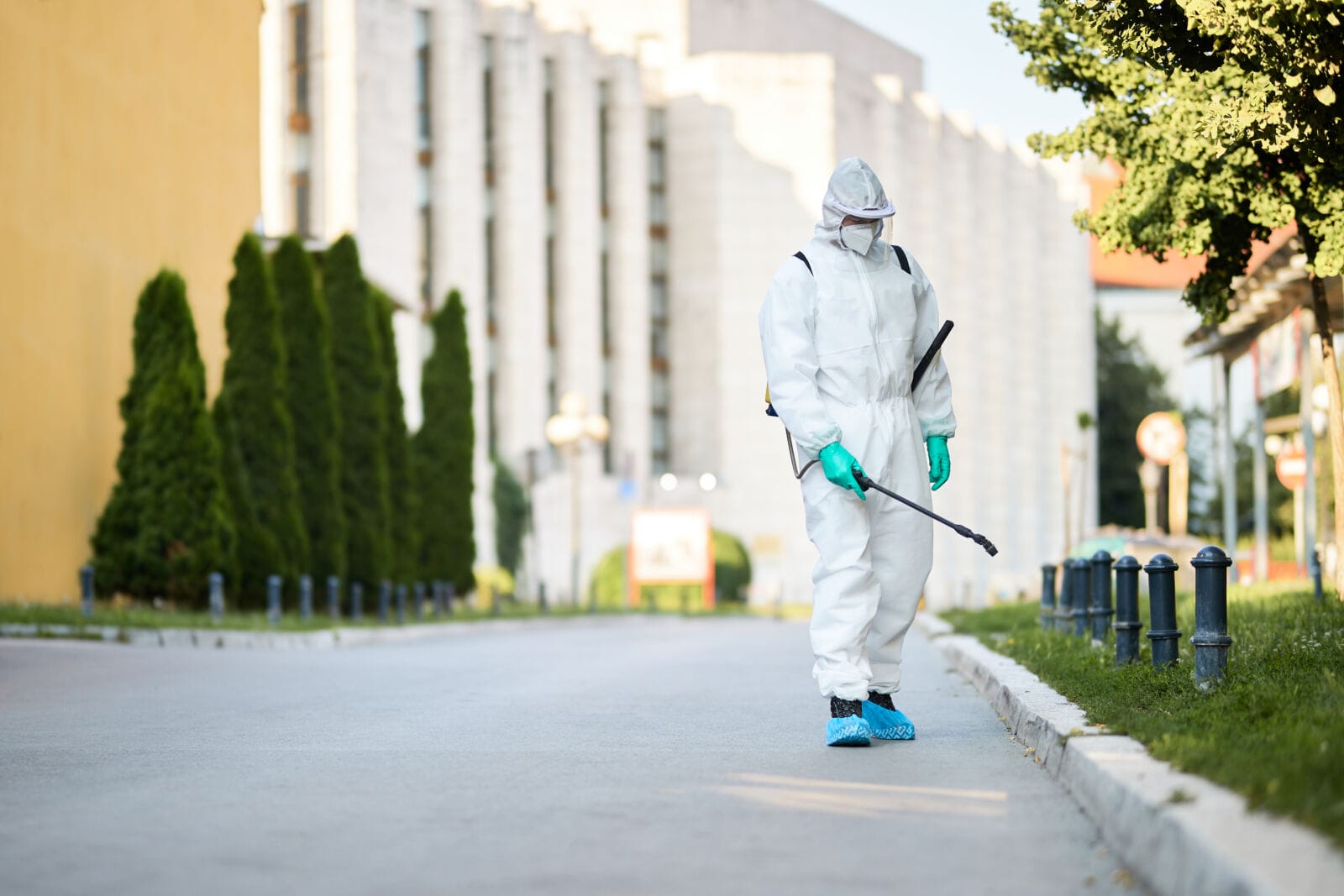
Pest activity can be more than just an annoyance for commercial property managers. Rodents, termites, ants, and other pests can damage building materials, contaminate storage areas, disrupt daily operations, and create an unpleasant environment for tenants and visitors. If left untreated, recurring infestations can lead to costly repairs, compliance concerns, and long-term reductions in property value.
Regular inspections help identify the conditions that attract pests, including excess moisture, gaps around doors and utility lines, standing water, waste accumulation, and poorly maintained storage areas. Addressing these risks early can prevent minor issues from developing into larger operational and financial problems.
Commercial properties in regions with significant pest pressure, including North Carolina and South Carolina, often require ongoing monitoring and preventive pest management programs to avoid costly structural damage and operational disruptions. Working with specialists such as Anticimex Carolina’s can help facility managers identify vulnerabilities, implement proactive protection strategies, and reduce the risk of pest-related damage before it affects building performance or asset value.
Water Damage Can Develop Before It Becomes Noticeable
Water problems rarely arise suddenly from a heavy flood, but begin with a small leakage from the pipe system, broken window sealings,or blocked drainage systems. As a result, moisture accumulates inside the wall, beneath the floor, or above the ceiling for a considerable amount of time without causing any damage.
This moisture is capable of causing various problems such as weak building materials, mold, insulation issues, and poor living conditions. Perform regular inspections of the plumbing systems, drainage systems, walls, windows, and the interior of the building is essential.
HVAC Inefficiency
HVAC systems may lose efficiency due to clogged filters, broken parts and aging of the equipment. Systems that are not properly serviced can result in energy wastage and discomfort within the building.
Tenants will easily notice problems such as heat and temperature differences. You can increase efficiency by monitoring usage, changing the filters, servicing equipment and troubleshooting HVAC systems regularly.
Deferred Repairs Can Become Major Expenses
One may think that it is cheaper not to resolve a problem when funds are not available. However, neglecting a minor problem brings about more costly repairs in the future.
An issue such as a cracked pipe, breaking seal, faulty electrical equipment or malfunctioning drainage system could lead to serious expenses in the future. Hence the property manager needs to have a list of prior repairs that takes into account safety, efficiency, damage and repair costs.
Poor Preventive Maintenance
The costs associated with reactive maintenance can exceed those of preventive maintenance because issues can only be identified after the equipment or building components have failed. Moreover, emergency repairs may disrupt business operations and cause problems with budgeting.
A program for preventive maintenance should cover the main systems of the property and provide for inspections and servicing of these systems at definite intervals. The priorities in maintenance should include:
- Roofing, drainage, plumbing, and facing
- HVAC systems, electricity, lighting, and safety systems
- Pest control, gardening, and common areas
The records of accomplished work may help in identifying the problems occurring again and showing that the property is well-cared of.
Aged Infrastructure
Outdated electrical, plumbing, security, and lighting systems may not seem problematic. However, these systems present high costs, be they connected to frequent repairs, efficiency issues, or lack of functionalities that today’s tenants accept as normal.
Building owners can identify problems with buildings’ infrastructure by estimating their age, condition, efficiency, reliability, and replacement requirements. This way, the building will remain an attractive investment.
Tenant Complaints Can Signal Maintenance Problems
Instead of treating complaints from tenants as single incidents, property managers and owners need to view them as signals of any issues existing in the building’s infrastructure. For instance, if you get complaints about strange noises and bad smells, this may indicate a problem with the building’s infrastructure.
In addition, tracking tenant complaints regarding the building infrastructure and categorizing these complaints according to their location and type is effective since it shows patterns.
Inaccurate Maintenance Records
Proper maintenance is difficult to monitor without a proper record of inspection, repair, warranty, replacement, or prominent issues. Missing documents can also reduce how much potential clients understand about a building’s state.
A central maintenance record can make a building’s history clearer. Records should be maintained based on the date and the work done by the contractor, as well as the age of the equipment, warranties, and possible work to be done.
Protect Commercial Property Value Through Early Action
Keeping the value of commercial property is not just about fixing what’s damaged when it’s broken, but it also requires careful inspections of critical spots. A proactive approach allows to lower unexpected expenses while at the same time keeping tenants satisfied and the building in a good condition.
