For a commercial property developer, the roof is rarely viewed as a design feature. They see it as an operational risk. Every square foot of overhead cover represents a recurring cycle of inspection, maintenance, repair, and eventual capital replacement. In high-heat regions like Arizona, where extreme UV exposure, monsoon winds, and drastic thermal expansion degrade standard materials faster, the true cost of a building’s cover is rarely the figure printed on the initial contractor invoice.
A commercial roof’s financial performance comes down to life-cycle costing. When developers evaluate building envelope materials, the initial capital expenditure (CapEx) often steals the spotlight during initial underwriting. However, operational expenditure (OpEx) over a 30-to-50-year asset lifespan tells the real story. Developers who focus solely on low initial install costs frequently find their projected yield eroded by unexpected maintenance cycles, tenant complaints, and premature replacement schedules.
The Math Behind Life-Cycle Costing
Traditional commercial roofing materials like built-up roofs (BUR) or standard single-ply membranes often carry a lower upfront price tag. For a developer focused purely on immediate construction margins or a short-term flip, these systems seem attractive on paper. However, for long-term holders, institutional investors, or developers managing triple-net (NNN) lease properties, the long-term economics tell a vastly different story.
Single-ply systems like TPO or EPDM typically require replacement or major structural overhauls every 15 to 20 years. In contrast, high-grade architectural metal panel systems offer an operational lifespan of more than 50 years with minimal structural intervention. When calculating the total cost of ownership across a typical commercial holding period, developers must factor in three critical operational variables.
1. Replacement Frequency and Inflation Risks
Replacing a commercial roof twice in a 40-year window doubles labor costs, tear-off expenses, and landfill disposal fees. Because labor and raw material costs have historically trended upward, deferring roof replacements into future decades with longer-lasting materials protects capital against construction cost inflation. Furthermore, tear-off operations expose the building’s interior space to weather risks and disrupt ongoing tenant operations.
2. Cumulative Maintenance Drag
Conventional roofs require routine seam sealing, membrane patch repairs, and periodic recoating to maintain weather integrity, especially after extreme desert weather events. These small, recurring service tickets constantly drain property management budgets. Architectural metal systems drastically reduce this ongoing drag by utilizing durable, factory-finished metals designed to withstand severe weather without degrading.
3. Thermal Efficiency and Utility Strain
Heat absorption directly impacts tenant utility expenditures and HVAC system wear. Reflective metal surfaces coated with specialized cool-roof finishes, such as Kynar 500 or Hylar 5000 fluoropolymer coatings, reflect a massive percentage of solar radiation back into the atmosphere. This reduces heat transfer into the plenum space, dropping interior cooling loads and protecting costly commercial rooftop HVAC units from running continuously at peak capacity.
Structural Engineering and Leak Mitigation
The primary cause of commercial roof failure is water penetration at panel joints and fastener locations. Traditional screw-down metal roof systems utilize exposed fasteners with rubber washers. Over time, constant thermal expansion and contraction cause the metal panels to shift against the underlying framing. This movement, often called thermal movement or oil-canning stress, gradually backs screws out or degrades the rubber washers, creating hundreds of potential leak paths across the roof deck.
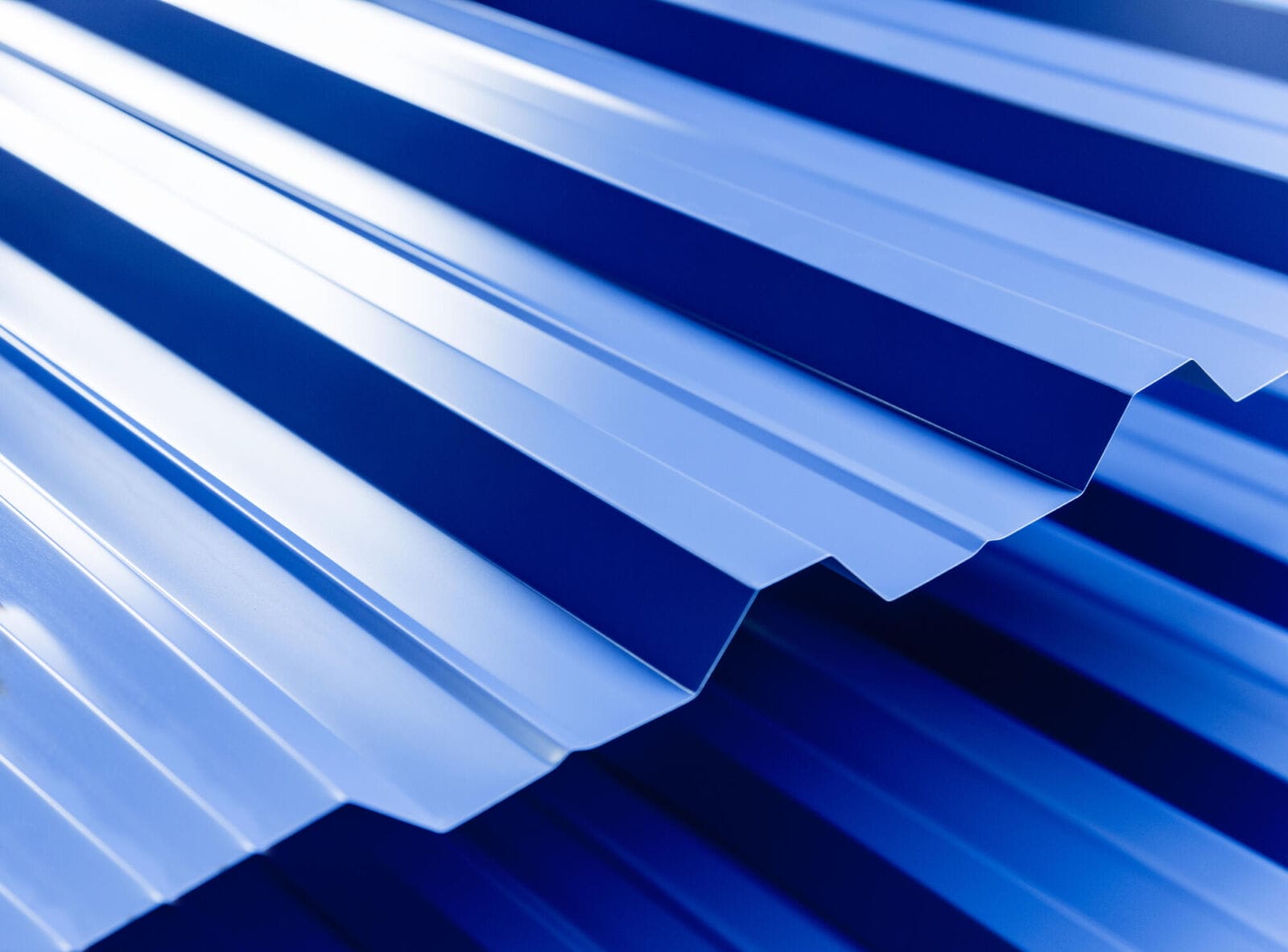
Selecting a premium concealment system like standing seam roofing allows developers to eliminate exposed fasteners. In these systems, metal panels join with raised, interlocking seams that elevate the joint above the water line. The panels are secured to the roof substrate with concealed clips, allowing the metal panels to expand and contract freely during extreme temperature fluctuations without stressing the fasteners or the roof deck.
Because the seams are mechanically seamed or snapped together with concealed hardware, moisture penetration risks are virtually zero when installed to manufacturer specifications. This structural isolation from weather elements extends the life of the underlying insulation and structural decking, preventing hidden wood rot or steel deck corrosion that often plagues traditional flat roofing assemblies.
Operational Performance Under Severe Desert Conditions
In terms of the environmental stresses affecting building envelopes in the southwestern market, these are quite distinct from those encountered in humid or cold environments. Arizona, in particular, has extreme temperature fluctuations daily, ranging up to a 40-degree difference between daytime and nighttime.
Regular bitumen and single-ply roofing materials become less flexible as the UV rays leach away the plasticizers responsible for making them flexible. Once they become brittle, any temperature changes or thermal shock due to cold rain falling onto a heated roof surface results in cracking and tearing of the roof surface. There is no plasticizer migration for metal roof panel systems. The high tensile strength of steel or aluminum does not weaken regardless of the presence of UV radiation.
Capital Appreciation, Cap Rates, and Tenant Retention
A secure, highly efficient roof does more than lower maintenance bills; it directly protects a commercial asset’s capitalization rate and market valuation.
Commercial property acquisition always undergoes strict due diligence on behalf of institutional purchasers. Having a report from an engineer that states a roof has reached the end of its useful life means there is already a bargaining chip to get significant price reductions or delays in closing. On the other hand, having a roof that has several decades left of useful life provides great peace of mind for a buyer.
From a leasing perspective, structural reliability directly protects tenant relationships and occupancy rates. Water intrusion events lead to severe business disruption, inventory damage, supply chain halts, and potential mold remediation disputes. For retail centers, industrial distribution warehouses, and medical office buildings, offering a leak-free environment backed by a long-term manufacturer warranty is a tangible leasing advantage.
Lower-cost operations and utilities will provide property management companies with the ability to bring in higher-credit tenants interested in long-term NNN leases. Using the roof as a financial asset, not just a construction item, provides commercial builders with lower operating costs, higher asset values, and a much cleaner exit strategy.