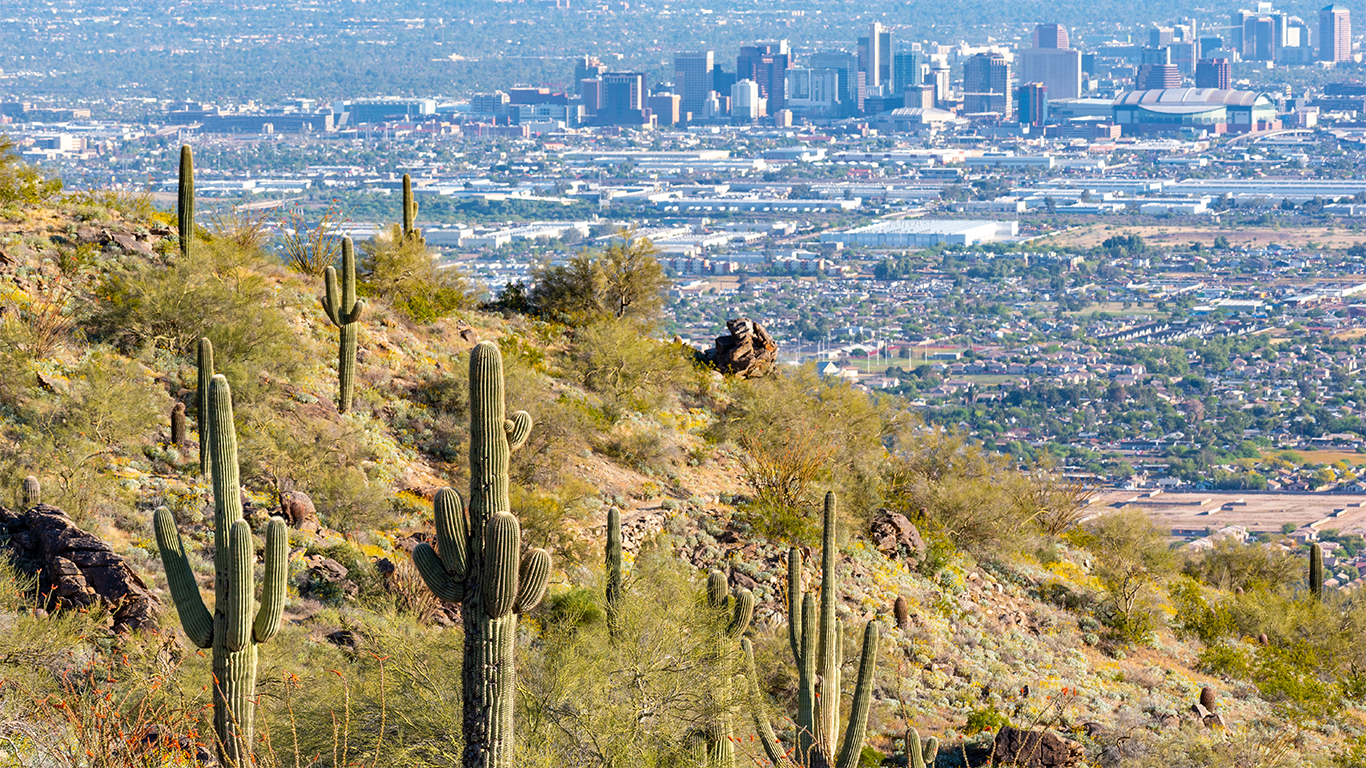
Ground conditions can affect foundation design, construction costs and the long-term stability of a property. Soil movement, subsidence and poor drainage may remain unnoticed during an initial site inspection, only becoming apparent after a project has begun.
For Arizona investors, developers and business owners, assessing these risks before committing to a site can help identify potential costs and design requirements.
Specialist Ground Advice: Assessment and Stabilisation Before Construction Begins
Geotechnical advice is most useful before the building design and project budget are finalised. A geotechnical engineer can investigate soil conditions, flag movement and drainage risks, and recommend foundation and site solutions suited to the findings. The Arizona Geological Survey advises owners with a fissure near their property to consult a geotechnician about its extent and how to limit damage.
Some sites need more than a report. Slopes, cut faces and areas with water-management problems may require physical stabilisation work. Ground Stabilisation Systems is an Australian company offering slope stabilisation, retaining walls, drainage and erosion control services for difficult ground.
Its services are based in Australia, so Arizona property owners would still need locally licensed engineers and contractors familiar with the state’s soil conditions, building codes and permitting requirements. The appropriate solution will depend on the site investigation and shouldn’t be assumed suitable for every property.
Early advice has limits, and it doesn’t replace owner diligence. Project owners should check that the final design reflects the engineer’s recommendations and that drainage, irrigation and landscaping plans remain consistent with those requirements after construction. Changes to the site after the assessment may affect how the ground behaves.
Soil Movement: When Clay and Subsidence Move the Goalposts
Expansive soils are among the most prevalent causes of building damage in the United States, according to the Colorado Geological Survey. Its estimates of annual losses regularly exceed those from tornadoes, floods, earthquakes and hurricanes combined. Certain clay-rich soils can expand by up to 20% by volume when exposed to water, creating pressure that can damage foundations and other structures.
Arizona faces a different but related movement problem. Subsidence and earth fissures affect more than 3,000 square miles of the state, including expanding areas around Phoenix and Tucson.
Individual fissures can extend up to 2 miles in length and reach observed depths of up to 90 feet, according to the Arizona Geological Survey. These dimensions can vary, and the visible opening may not reveal the full extent of a fissure.
The consequences for buildings are familiar: cracked foundations, broken pipes, disrupted drainage and damaged roads. Fissure damage can also affect public infrastructure, including canals and highways. Private owners may face similar types of damage on a smaller scale, depending on the location and extent of ground movement.
Water and Drainage: The Trigger Behind Many Failures
Water is often what turns a stable-looking site into a problem one. The Colorado Geological Survey notes that expansion is typically triggered when soil is exposed to water during or after development, and that the soil often stays moist afterwards. Irrigation, leaking lines and poorly directed runoff can all supply that moisture.
Arizona’s monsoon season adds another layer. According to the state geological survey, heavy monsoon rainfall can quickly widen and deepen fissures. Surface drainage therefore needs to account for the site’s ground conditions, since runoff directed towards a fissure or other weak area may increase erosion and damage.
Human choices can make matters worse. Unrecognised expansive soils, combined with unsuitable design, landscaping, or maintenance, may increase the risk of damage. Planting beds against a foundation or ignoring a slow irrigation leak can introduce moisture in areas where it wasn’t accounted for in the original design.
How Ground Problems Turn Into Budget and Schedule Overruns
Ground issues may become apparent during excavation, when work exposes soft or unstable areas, or after handover, when cracks develop in completed structures. Once construction has progressed, addressing unexpected conditions can require changes to work that has already been completed.
Typical consequences include:
- Redesigned foundations or structural elements after design is complete
- Stalled work while engineers reassess conditions and approvals catch up
- Repairs to finished slabs, walls, utilities or paving
- Disputes between owners, contractors and designers over who carries the cost
Schedule effects can matter as much as cost. A delayed opening may shift lease start dates, loan draws, and sales closings, creating additional expenses that weren’t included in the original budget.
Residential developers and small business owners with a single site may have less capacity to absorb this kind of disruption. Contract terms should clarify how unexpected ground conditions are assessed, who approves additional work and how related costs are allocated.
Questions to Ask Before You Commit Capital
A short set of questions can expose ground risk before it becomes a cost:
- Has a qualified geotechnical professional investigated this specific site, and when?
- Are expansive soils, subsidence or known fissures documented nearby?
- How will surface water and irrigation be directed away from foundations?
- What happens to the design and budget if conditions differ from the report?
- Who is responsible for ground-related costs under the contract?
Arizona’s geological survey provides maps of known earth fissures, but these aren’t a substitute for a professional property assessment. The maps can help identify potential concerns, while a site-specific investigation is still needed to assess the actual ground conditions. Clear answers don’t remove the risk, but they show whether you understand it and have priced it.
Treating Ground Risk as a Planning Cost
Ground conditions rarely appear on a property listing or in an early financial model. Treating specialist assessment as a planning cost, rather than an optional extra, may help identify problems before they lead to more expensive changes.
For projects on land affected by soil movement, subsidence or drainage issues, early investigation can give designers and owners a clearer basis for decisions about foundations, site works and project budgets.