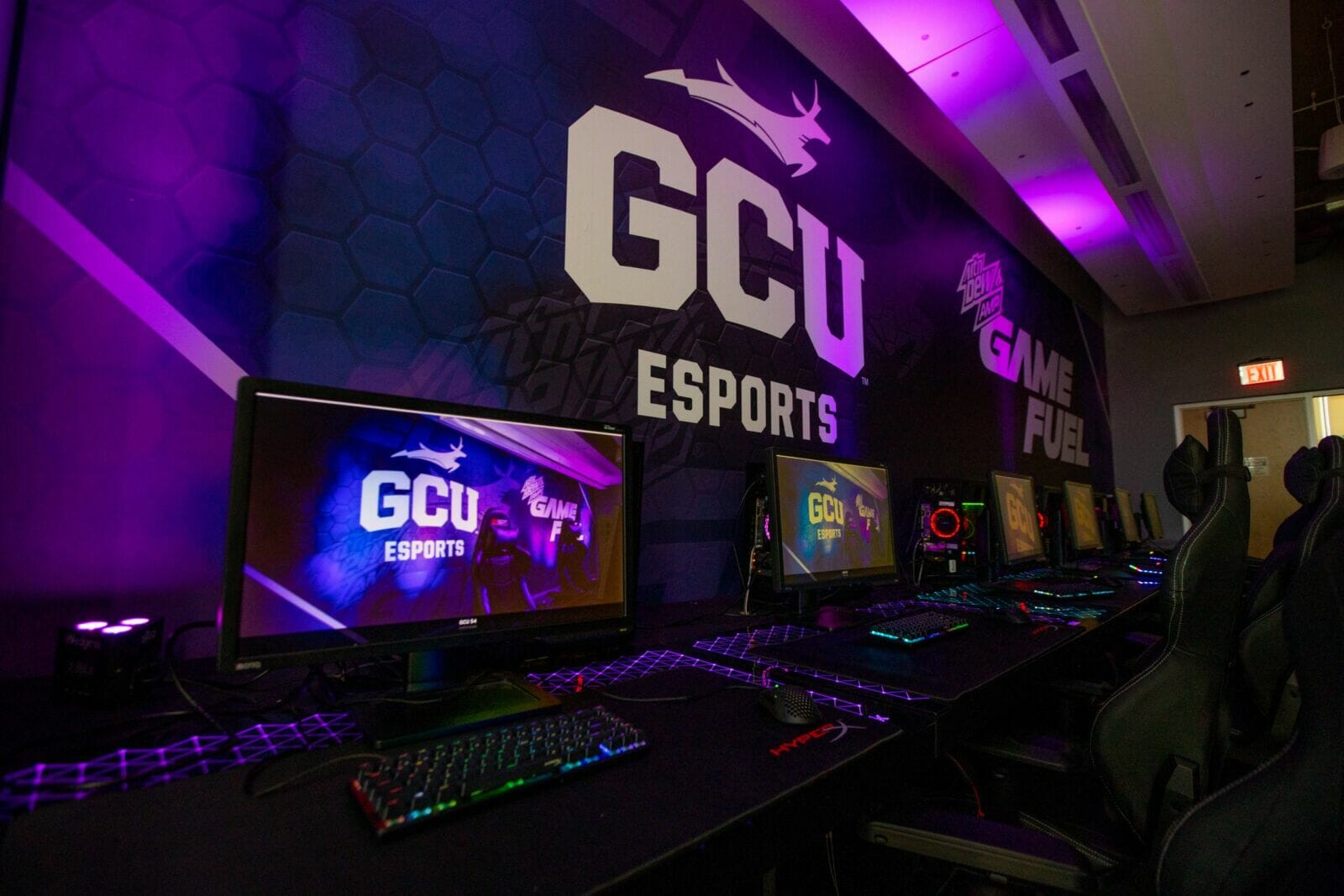
While Arizona’s professional teams grab the headlines, a quieter revolution has been building on the state’s campuses. Competitive video gaming, or esports, has gone from a dorm-room hobby to a structured, scholarship-backed pursuit with purpose-built arenas and packed event calendars. For a state with a young, tech-savvy population, it may be the fastest-growing corner of the entire sports landscape.
From Dorm Rooms to Arenas
Esports is simply organised, competitive video gaming, played individually or in teams across titles like League of Legends, Rocket League, Valorant, and Super Smash Bros. What separates the modern scene from casual play is the infrastructure around it: coaches, structured leagues, professional broadcasts, and dedicated venues built for live competition.
Arizona has leaned into that shift harder than most. Rather than treating gaming as a fringe activity, its universities have invested in facilities and teams that look a lot like traditional athletic programs, complete with tryouts, practice schedules, and travel.
The Schools Leading the Way
The heart of Arizona’s esports growth is on its campuses:
- Grand Canyon University operates the GCU Esports Arena in Phoenix, one of the premier collegiate gaming facilities in the Southwest, with varsity, club, and recreational teams.
- Arizona State University runs an Esports Lounge in Tempe and a busy community of student players, developers, and industry-minded students.
- The University of Arizona launched the state’s first public university esports program, with an arena inside its Student Union and varsity teams competing under the school’s banner.
That kind of institutional backing is what turns a hobby into a pathway, giving talented players a place to compete, a community to belong to, and in some cases a scholarship to help pay for school.
A Pipeline That Starts in High School
The growth is not limited to universities. The Arizona Interscholastic Association now runs sanctioned esports state championships, putting competitive gaming on the same official footing as traditional high school sports. Events span titles such as League of Legends, Rocket League, and Super Smash Bros., giving younger players a clear route from high school competition into the college programs above them.
That pipeline matters. It signals that esports in Arizona is not a passing trend but a structured system, feeding talent and interest upward year after year. The same analytical mindset that reshaped traditional sport is at play here too, in the way football has become a numbers game on and off the pitch, and gaming was data-driven from the very start.
Where the Attention Follows
As audiences grow, so does the commercial world around competitive gaming. Sponsorships, streaming deals, and a booming online-entertainment sector have all attached themselves to esports. That crossover pulls in fans of traditional sport as well, the same supporters who might dissect Carrick’s take on a run of disappointing decisions one evening and watch a Valorant final the next.
The online side has expanded quickly, and with it the need to stick to reputable, licensed platforms. For fans who explore that world, guidance such as a vetted list of licensed UK betting sites is the kind of resource that underlines a simple principle: only use trustworthy, regulated operators, and treat any spending as entertainment for adults.
DEEPER DIVE: Read all the Ranking Arizona Top 10 lists here
INDUSTRY INSIGHTS: Want more news like this? Get our free newsletter here
Building Careers, Not Just Hobbies
What makes Arizona’s approach notable is that it treats gaming as a genuine opportunity rather than a distraction. Scholarships, structured coaching, and industry connections mean students can turn thousands of hours of practice into something tangible, whether that is competing at a high level, moving into broadcasting and event production, or landing a job in a games industry that keeps expanding. For families once sceptical of screen time, watching esports open real doors has changed the conversation entirely.
The Next Arena
Esports fits Arizona neatly. It is young, fast, and built for a connected generation, and the state’s schools have given it room to grow into something lasting. As arenas fill and championships expand, competitive gaming is earning a real place beside the state’s traditional teams. It also feeds directly into how Arizona sports fans engage online, where following, playing, and competing increasingly happen on the same screens. For a state that has always loved its sport, the arrival of a whole new arena is a natural next step.