Consumer behavior has undergone a noticeable transformation in recent years. Rather than prioritizing ownership or excess, many individuals are leaning into experiences that enhance daily life—whether through wellness routines, social rituals, or mindful indulgences. This shift is particularly evident in lifestyle markets, where products are increasingly evaluated based on how they make people feel rather than what they simply do.
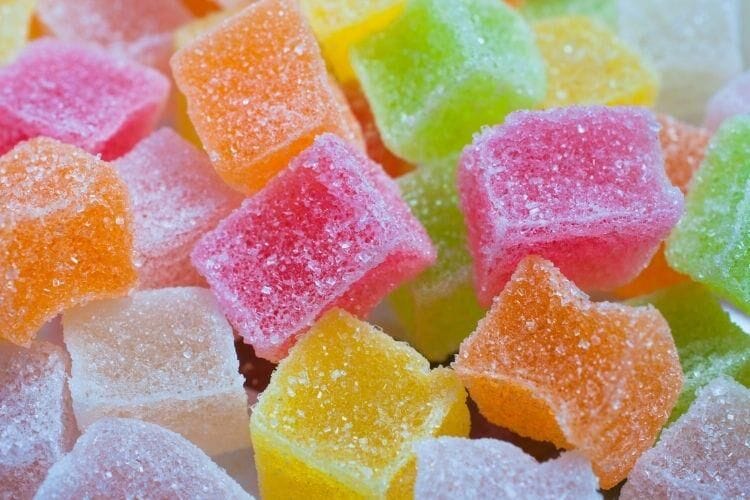
In this environment, THC gummies have emerged as a compelling category. Their appeal lies not only in their convenience but also in the broader cultural shift toward curated, intentional experiences. Consumers are seeking ways to unwind, connect, and reset without the intensity or social baggage associated with traditional options like alcohol.
The Rise Of The Cannabis-Curious Consumer
A key driver behind the growth of THC gummies is the rise of what many analysts call the “cannabis-curious” consumer. This demographic isn’t necessarily rooted in long-standing cannabis culture. Instead, it consists of professionals, parents, and wellness-focused individuals exploring new ways to relax and manage stress.
What sets this group apart is their preference for subtlety and control. They are not looking for overwhelming effects but rather a gentle enhancement of mood—something that fits seamlessly into their existing routines. THC gummies, especially in low-dose formats, cater directly to this demand.
This shift has helped reposition THC-infused products from niche offerings into mainstream lifestyle considerations. Rather than being framed solely as recreational, they are increasingly viewed as tools for balance, mindfulness, and personal well-being.
Wellness Culture And The Redefinition Of Relaxation
Wellness has become one of the most influential forces shaping consumer markets. From fitness apps to functional foods, the definition of “self-care” continues to expand. Within this context, relaxation itself is being redefined.
Instead of relying on traditional methods such as alcohol or passive entertainment, consumers are exploring more intentional approaches to unwinding. THC gummies fit neatly into this narrative. Their measured dosing and discreet format allow users to incorporate them into routines like evening wind-downs, weekend resets, or even social gatherings.
Importantly, brands in this space are increasingly aligning their messaging with wellness values. Rather than emphasizing intensity, they highlight calm, clarity, and balance. This approach resonates strongly with modern audiences who are wary of excess but open to thoughtful alternatives.
Retail Innovation And Lifestyle Integration
The growing popularity of THC gummies is also influencing how products are presented and sold. Retail environments are evolving to reflect lifestyle integration rather than transactional exchanges. This means cleaner branding, more approachable packaging, and a focus on storytelling.
In many cases, THC gummies are positioned alongside wellness products rather than being isolated in specialized categories. This shift helps normalize their presence and makes them more accessible to new audiences.
Digital platforms are playing a significant role as well. Online marketplaces allow brands to communicate their values more effectively, using content that emphasizes mood, routine, and experience. For instance, platforms like Mood reflect this approach by focusing on how products fit into everyday life rather than framing them purely as cannabis purchases.
The Social Factor: A New Kind Of Gathering
Social habits are evolving alongside consumer preferences. Younger generations, in particular, are redefining what it means to gather and connect. Traditional nightlife and alcohol-centric events are being complemented—or in some cases replaced—by more relaxed, intentional experiences.
THC gummies are increasingly part of this shift. They offer a way to enhance social interactions without the downsides often associated with alcohol, such as hangovers or loss of control. This has made them appealing for settings like small gatherings, creative sessions, or low-key celebrations.
The result is a new kind of social ritual—one that prioritizes presence, conversation, and comfort. As this trend continues to grow, it is likely to influence not only consumer habits but also event planning, hospitality, and entertainment industries.
Business Opportunities In A Growing Market
From a business perspective, the rise of THC gummies represents a significant opportunity. The category sits at the intersection of multiple high-growth sectors, including wellness, functional foods, and experiential retail.
Entrepreneurs and investors are taking note. Companies entering this space are not just selling products; they are building brands around lifestyle aspirations. This includes everything from packaging design to content marketing strategies that emphasize storytelling and emotional connection.
Real estate and retail sectors are also feeling the impact. As demand grows, there is increasing interest in creating spaces that reflect the evolving identity of cannabis-related products. This could mean boutique-style storefronts, hybrid wellness spaces, or even integration into existing lifestyle retail environments.
Regulatory Landscapes And Consumer Confidence
Of course, the growth of THC gummies is closely tied to regulatory developments. As legal frameworks continue to evolve, they play a crucial role in shaping consumer confidence and market expansion.
Clear regulations help establish trust, ensuring that products meet safety and quality standards. This is particularly important for new consumers who may be exploring THC for the first time. Transparency around sourcing, dosing, and effects is essential for building long-term credibility.
Businesses that prioritize compliance and education are likely to have a competitive advantage. By demystifying their products and providing clear guidance, they can attract a broader audience and foster deeper customer loyalty.
The Future Of Lifestyle Markets
Looking ahead, THC gummies are well-positioned to remain a key player in lifestyle markets. Their versatility, accessibility, and alignment with modern values make them a natural fit for evolving consumer preferences.
As the category matures, it is likely to see further innovation. This could include new formulations, expanded flavor profiles, and more personalized experiences tailored to individual needs. At the same time, branding will continue to emphasize emotional resonance—how products make people feel rather than what they contain.
Ultimately, the success of THC gummies reflects a broader shift in consumer culture. People are seeking balance, connection, and meaningful experiences in their daily lives. Products that support these goals—subtly and effectively—are poised for sustained growth.
A Market Defined By Feeling, Not Just Function
Perhaps the most significant takeaway is that THC gummies are not just a product trend; they are part of a larger movement toward feeling-based consumption. In a world where stress is high and time is limited, consumers are prioritizing solutions that enhance their quality of life in tangible ways.
This focus on feeling—calm, ease, connection—has reshaped how products are developed, marketed, and consumed. It has also opened the door for categories that might once have been considered niche to become mainstream.
For businesses, this represents both a challenge and an opportunity. Success will depend on understanding not just what consumers want, but how they want to feel. Those that can deliver on this promise will be well-positioned to thrive in the next phase of lifestyle market evolution.