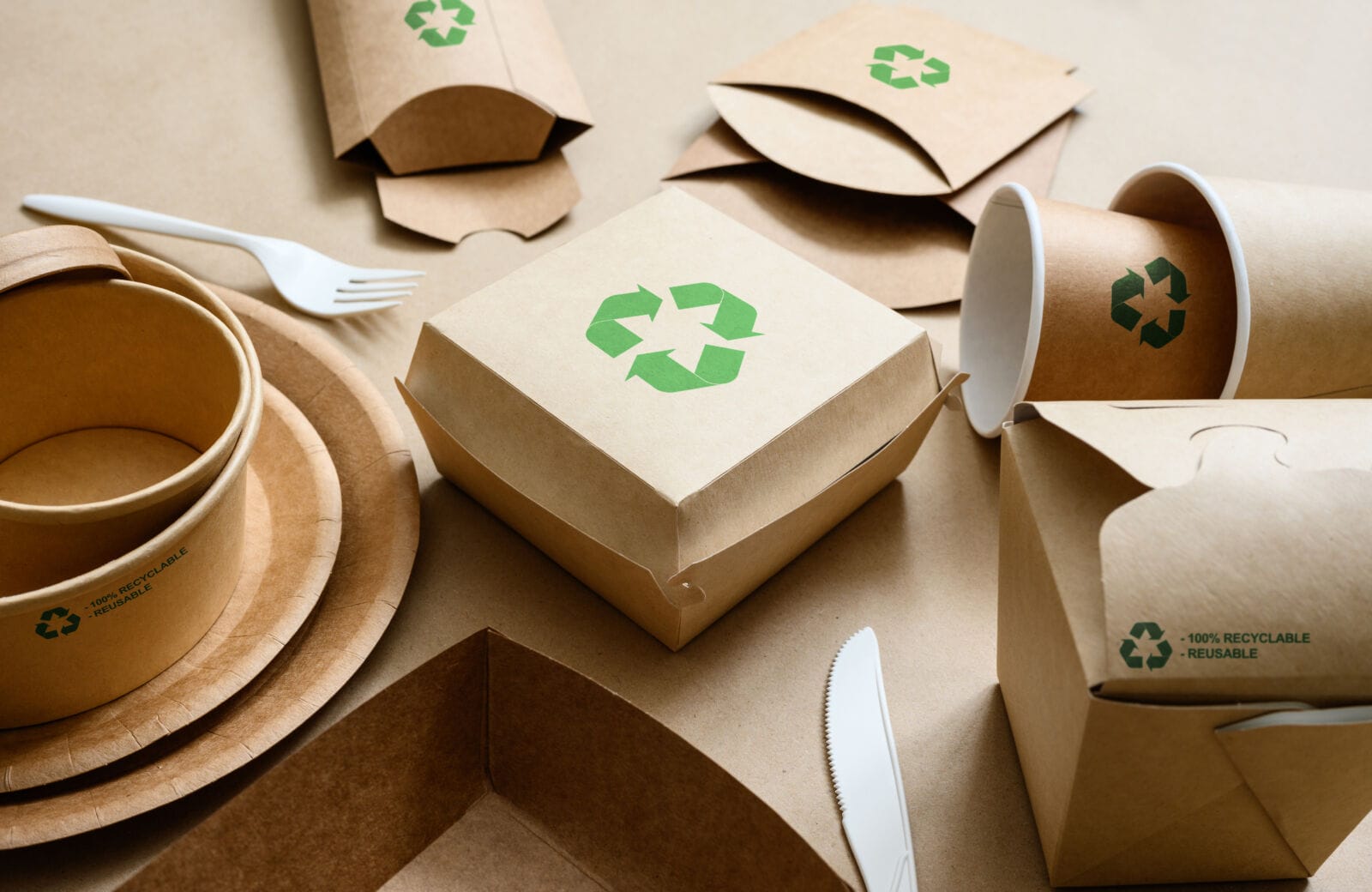
Food brands face growing pressure from conscious buyers and new rules. Many customers now want less waste and better materials. At the same time, governments are taking steps to reduce single-use plastics.
Traditional plastic clamshells and takeaway boxes are being phased out in many markets. This shift gives food businesses a clear reason to act. Moving to greener packaging can help reduce waste and meet customer needs.
It can also keep food fresh and safe during delivery and transport. For many brands, the change is no longer just about image. It is becoming part of long-term business planning.
Continue reading to discover everything you need to know!
Changing Market Demands
People around the world want food brands to take real action on waste. They do not always see packaging as a small detail. The box, tray, or cup is often the first part of a food order that a customer sees.
The green food packaging market reached $191.54 billion in 2026. This growth shows how quickly food suppliers are moving toward cleaner materials. Businesses that act now can stay ready for changing customer habits and new market rules.
Updating standard takeaway packaging can also give restaurants a useful edge. Food vendors that switch early can show customers that they care about waste and responsible business. This can help build trust with every order.
Fiber and Paper Packaging Options
Paperboard remains a popular choice for restaurant takeaway containers and grocery products. It offers a simple way to reduce the use of traditional plastic packaging.
Paper and paperboard held 35.20% of the eco-friendly market share in 2025. Local recycling programs have helped support this demand. These materials can serve many of the same basic needs as plastic while helping reduce the amount of waste sent to landfills.
Custom containers can also protect food during delivery. They give brands space to display logos, colors, and other design elements. Investing in quality custom food product packaging allows businesses to promote their brand while moving away from single-use plastic.
Global Market Scale and Growth
The wider food packaging industry is also growing. Estimates show the market increasing from $438.3 billion in 2025 to $667.7 billion by 2035.
This growth reflects a wider shift in the food industry. More companies are looking for packaging that meets both practical and environmental needs. Businesses that update their containers early may gain an advantage over competitors that continue using older plastic designs.
Regional Growth in Sustainable Solutions
North American food businesses are playing a major role in the move toward sustainable packaging. North America held 33.0% of the sustainable food packaging revenue share in 2024.
This strong market position shows that green packaging is becoming a normal part of food service. In many areas, customers now expect restaurants to offer better alternatives to single-use plastic.
Regional suppliers can also make the switch easier. Local suppliers may offer faster shipping and custom packaging options. Shorter shipping routes can reduce transport needs and help businesses receive new packaging more quickly.
The Future of Eco-Friendly Packaging Solutions
Sustainable food packaging is becoming an important part of the modern food industry. Customers want less waste, while new rules are changing how businesses use plastic.
Paper, fiber, and other greener materials give food brands practical options. These products can protect meals, support strong branding, and reduce reliance on traditional plastic.
Check out the rest of our blog for more!