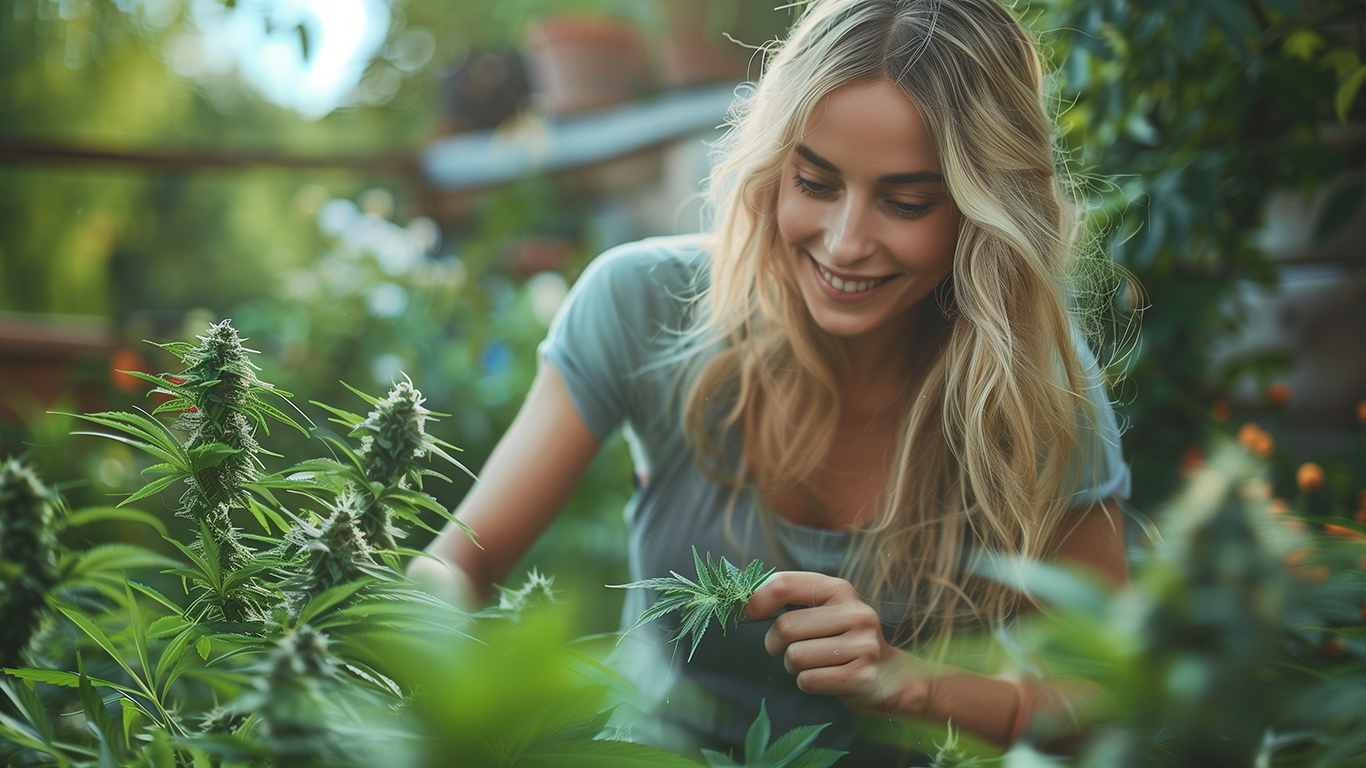
Learning how to grow cannabis seeds is a rewarding journey that puts you in complete control of your cannabis plant cultivation experience. From selecting the perfect strain to nurturing your plants to a bountiful harvest, the process of growing from seed offers a deep connection to the plant and its life cycle.
This guide is designed to walk you through every step of the process, providing the essential knowledge you need to achieve quick and successful harvests. Whether you are a curious beginner or an experienced cultivator seeking to refine your techniques, understanding the fundamentals of growing weed seeds is the first and most crucial step toward a thriving garden.
Essential Tools and Equipment for Cannabis Cultivation
Before you can begin your journey of learning how to grow cannabis seeds, it is essential to gather the right tools and equipment. A successful cannabis cultivation setup does not have to be overly complex or expensive, but a few key items are non-negotiable for achieving optimal results.
Indoor Growing Equipment
- Quality grow light: A powerful, full-spectrum LED or HPS lamp provides the energy plants need for vigorous growth
- Grow tent or dedicated space: A sealed environment allows precise control of temperature, humidity, and light cycles
- Ventilation system: Exhaust fan and carbon filter maintain fresh air circulation and eliminate odors
- Containers: Fabric pots or traditional plastic pots for housing your plants
- Growing medium: High-quality soil or coco coir for optimal root development
Essential Monitoring Tools
- Digital pH meter: Essential for monitoring water quality
- TDS meter: Helps track nutrient concentrations throughout the growing cycle
- Temperature and humidity gauges: Maintain optimal environmental conditions
- Backup equipment: Equipment failures can quickly derail an otherwise successful grow operation
Germination Methods: Getting Your Seeds Started
Germination is the process of encouraging your cannabis seeds to sprout and develop a taproot.
The Paper Towel Method
What you’ll need:
- Two plates
- Paper towels
- Cannabis seeds
- pH-balanced water
Steps:
- Moisten paper towels with pH-balanced water (damp but not soaking wet)
- Place seeds on one damp paper towel, leaving space between each seed
- Cover with another damp paper towel
- Place a setup between two plates to create a dark, humid environment
- Keep in a warm place (70-85°F/21-29°C)
- Check daily for taproot emergence
Benefits:
- Easy monitoring of the germination process
- Excellent moisture control
- Quick identification of viable seeds
The Soaking Method
How to properly soak your weed seeds for faster germination:
- Fill a glass with lukewarm, pH-balanced water
- Gently drop seeds into the water
- Let it soak for 12-24 hours
- Seeds that sink are typically viable
- Transfer to a paper towel or plant directly
Important considerations:
- Water quality plays a crucial role in successful seed soaking
- Chlorinated tap water can inhibit germination
- Use distilled water or let tap water sit for 24 hours
- Maintain water temperature between 65-75°F
Direct Soil Planting
Steps:
- Prepare soil or coco coir by moistening with pH-balanced water
- Create a small hole (¼ to ½ inch deep) in the center of your pot
- Gently place the seed in the hole and lightly cover with soil
- Don’t pack soil too tightly
- Keep soil consistently moist but not waterlogged
- Place the pot in a warm, humid environment
Advantages:
- Eliminates the need for transplanting cannabis plants
- Reduces the risk of shocking delicate seedlings
- Mimics natural germination conditions
- Results in stronger, more resilient seedlings
Disadvantages:
- Difficult to monitor the germination process
- Harder to maintain ideal moisture levels
- Failed seeds leave empty spots in the garden
The Second Soaking Method
For those looking to achieve the highest possible germination rates:
- Soak seeds in water for 12-24 hours (standard soaking)
- Transfer to hydrogen peroxide solution (1 part 3% H2O2 to 5 parts water)
- Soak for another 12-24 hours
- Transfer to a paper towel or plant directly
Benefits:
- Helps soften stubborn seed shells
- Oxygenates water
- Kills harmful bacteria and fungi
- Particularly effective for older or difficult seeds
DEEPER DIVE: How to utilize philanthropic efforts to boost your bottom line
LOCAL NEWS: 100 best places to work and live in Arizona for 2025
Pro-Level Germination Strategies
Heat mats:
- Maintain a consistent temperature for germinating seeds
- Cannabis seeds germinate best in warm temperatures
- Especially helpful in cooler climates
Root stimulants:
- Contains hormones and nutrients
- Promote strong, healthy root system development
- Encourage vigorous root growth
Propagation domes:
- Create a high-humidity environment
- Clear plastic cover traps moisture
- Creates a mini-greenhouse effect
Optimal Moisture and Watering Practices
Maintaining optimal moisture and watering practices is important for successful seed germination. Cannabis seeds require a consistently moist environment to sprout, but they are also susceptible to rot if they become too wet.
Key Principles
- Balance is crucial: Find the right balance between moisture and aeration
- Paper towel method: Keep towels damp to the touch but not dripping wet
- Soil planting: Keep soil consistently moist but not waterlogged
- Watering rule: Water until evenly moist, then let the top inch dry before watering again
Common Mistakes to Avoid
- Overwatering: The most common mistake that leads to failed germination
- Inconsistent moisture: Seeds are sensitive to moisture fluctuations
- Poor water quality: Chlorinated water can harm germination
Monitoring Seeds Without Causing Harm
Best Practices
Paper towel method:
- Gently lift the top paper towel to check progress
- Handle seeds as little as possible
- A delicate taproot can be easily damaged
Direct soil planting:
- Be patient and wait for the seedling to emerge
- Resist the temptation to dig up seeds
- Maintain ideal environmental conditions
- Trust that nature will take its course
Things You’ll Want to Pay Attention To
When your cannabis seeds successfully germinate, you will see a small white taproot emerging from the shell. This taproot is the primary root of the plant and will continue to grow downward in search of water and nutrients.
Optimal planting time:
- When the taproot is ¼ to ½ inch long
- Don’t wait too long to avoid tangling or damage
- Use tweezers to handle germinated seeds
- Never touch the taproot with your fingers
- place with the taproot pointing downwards
Essential Germination Troubleshooting Steps
1. Check Environmental Conditions: Warm, Dark, and Moist Environment
- Temperature Verification: Cannabis seeds require consistent warmth to activate the enzymes responsible for germination. The optimal temperature range is 70-85°F (21-29°C), with 78-80°F being ideal. Use a digital thermometer to verify actual seed-level temperatures, as room temperature can be misleading.
Cold surfaces like concrete floors or metal tables can draw heat away from your germination setup. If temperatures are too low, consider using a seedling heat mat with thermostatic control to maintain consistency. - Darkness Requirements: Seeds are programmed to germinate in darkness, as light exposure can actually inhibit the germination process by triggering the wrong genetic pathways. Ensure your germination setup is completely dark until taproots emerge.
For paper towel methods, plates provide adequate darkness, while soil-planted seeds should be covered at the proper depth without light exposure. - Moisture Balance: Seeds need consistent moisture to soften the shell and activate internal processes, but too much water can cause rot. The growing medium should feel like a damp sponge when squeezed, moist throughout but not dripping water.
Use pH-balanced or distilled water, as chlorinated tap water can inhibit germination. Check moisture levels daily and mist if needed.
2. Make Necessary Adjustments: Give Seeds a Few More Days
- Natural Timing Variation: Not all seeds germinate at the same rate, even from identical genetics. Fresh seeds typically sprout in 3-5 days, while older seeds may take 7-14 days or longer. This variation is natural and doesn’t necessarily indicate problems.
Factors affecting timing include seed age, shell thickness, genetic background, and any environmental stress the seeds may have experienced. - When to Wait: Continue waiting if seeds show signs of swelling or shell cracking, if environmental conditions were recently corrected, or if you’re working with older but reputable genetics. Many valuable seeds are lost because growers give up too early in the process.
- When to Act: Consider intervention if there are no visible changes after 10-14 days under optimal conditions, if multiple seeds from the same batch are failing, or if you notice signs of mold or rot developing.
3. Try Scarification: Lightly Scratch the Seed Surface with Sandpaper
Why Scarification Works: Some cannabis seeds develop very hard outer shells that prevent water from penetrating and starting the germination process. This is particularly common with older seeds or certain genetic lines. Scarification creates tiny openings in the shell that allow water to enter and begin the imbibition process.
Proper Technique: Use fine-grit sandpaper (220-400 grit) and work over a clean surface with good lighting. Hold the seed firmly but gently, and make 2-3 very light strokes against the sandpaper, focusing on the sides rather than the pointed end where the taproot emerges.
Look for slight scratching or a color change in the shell surface, then stop immediately. The goal is minimal surface abrasion, not deep scratching.
Safety Considerations: Never sand the pointed end of the seed, use minimal pressure to avoid damaging the embryo inside, and clean your tools with alcohol to prevent introducing pathogens. If you see any white or light-colored material, stop immediately, as you may have reached the inner seed coat.
4. Consider Seed Viability: Age, Storage, or Genetics May Be Factors
Age-Related Expectations: Seed viability naturally declines over time. Fresh seeds (0-1 year) should have 90-95% germination rates, moderately aged seeds (1-3 years) typically achieve 70-85%, while older seeds (3+ years) may only reach 30-60% success rates. Very old seeds require patience and may need multiple treatment approaches.
Storage Impact Assessment: Seeds maintain viability longest when stored cool, dark, and dry. Ideal conditions include refrigerator temperatures (32-41°F), low humidity (5-10%), and airtight containers with desiccant packets. Poor storage conditions, like heat exposure, humidity, temperature fluctuations, or light, can significantly reduce viability regardless of age.
Physical Assessment: Examine seeds for visual indicators of viability. Healthy seeds appear dark brown to black with a waxy sheen, feel firm when gently squeezed, and have no visible cracks or soft spots. The float test can help identify potentially viable seeds – those that sink in water have typically absorbed moisture and may be more likely to germinate.
Common Causes of Failed Sprouting
Environmental factors:
- Temperature: Seeds need warm temperatures (too cold slows/stops germination)
- Moisture levels: Too dry prevents water absorption, too wet causes rot
- Inconsistent conditions: Temperature and moisture fluctuations stress seeds
Human error:
- Overhandling seeds
- Planting too deeply
- Packing soil too tightly
- Poor water quality
Dealing with Stagnant Taproot Growth
If taproot develops but stops growing:
- Check moisture levels: Too dry or too wet can halt growth
- Verify temperature: Use a heat mat to maintain 75°F (24°C)
- Try transplanting: Fresh, moist soil may restart growth
- Ensure proper oxygenation: Root development requires adequate oxygen
Preventing and Managing Mold
Mold is a common enemy of cannabis growers and can be particularly devastating during early growth stages.
Prevention Strategies
- Maintain a clean, well-ventilated grow space
- Ensure good air circulation with fans
- Avoid overwatering this creates perfect mold breeding conditions
- Monitor humidity levels and keep them within appropriate ranges
- Use proper air filtration
Treatment Options
If mold appears:
- Act quickly: Remove affected plant matter immediately
- Treat area: Use cannabis-safe fungicide
- Improve ventilation: Increase air movement
- Adjust environmental conditions: Reduce humidity if necessary
Common Seedling Emergence Issues
Frequent Problems and Solutions
Planting too deep:
- Seeds buried too deeply lack the energy to reach the surface
- Plant seeds ¼ to ½ inch deep, maximum
- Use a light, airy soil mix
Compacted soil:
Hard soil prevents delicate seedlings from breaking through
- Avoid pressing down on the soil after planting
- Choose an appropriate soil texture
Improper watering:
- Too dry: Insufficient moisture for growth
- Too wet: Oxygen deprivation and potential rot
- Maintain consistent, appropriate moisture levels
The Seedling Stage: Critical Early Care
Once your seedling has successfully broken through the surface of the soil, it has officially entered the seedling stage. This is a critical period in the plant’s life.
Seedling Care Requirements
Lighting:
- Provide plenty of light, but avoid burning
- Start with light 18-24 inches above seedlings
- Adjust distance as needed based on plant response
Watering:
- Keep soil consistently moist but not waterlogged
- Monitor moisture levels carefully
- Avoid overwatering during this delicate stage
Environment:
- Provide good air circulation
- Prevent mold and other diseases
- Maintain stable temperature and humidity
Handling:
- Seedlings are extremely delicate
- Support the root ball when handling
- Avoid touching stems or leaves
- Move containers rather than plants when possible
Soil Selection and Preparation
Choosing the right soil mix is a critical factor in the success of your cannabis plants’ journey.
Germination and seedling stages:
- Light, airy soil mix low in nutrients
- Seed starting mix specifically designed for young plants
- Provides an ideal environment without nutrient burn
Vegetative stage:
- Richer soil mix with higher nutrient concentration
- Cannabis-specific formulations available
- Custom mixes with compost, perlite, and organic matter
Ideal Soil Characteristics
- Provides good drainage and aeration
- Retains adequate moisture for plant hydration
- Supports healthy root development
- Matches the nutritional needs of the growth stage
Water Quality and pH Management
Understanding pH Impact
The pH of your water and nutrient solution directly impacts your plant’s ability to absorb nutrients:
- Too high or low pH: Causes nutrient lockout
- Proper pH range: Ensures optimal nutrient availability
- Regular testing: Essential for maintaining plant health
pH Testing and Adjustment
Testing:
- Use a pH pen or a testing kit
- Test the water after adding nutrients
- Nutrients can affect pH levels
Adjustment:
- Use pH up or pH down solutions as needed
- Make gradual adjustments
- Retest after adjustments
Water Quality Considerations
- Monitor dissolved minerals: They can build up in soil over time
- Check chlorine content: Can harm beneficial soil microorganisms
- Temperature control: Use appropriate water temperature
Transplanting Techniques
Transplanting your germinated seeds or seedlings into their final containers is a delicate process that requires a gentle touch.
From paper towel:
- Use tweezers to handle seeds
- Pick up the seed by the shell, never touch the taproot
- Place in a pre-dug hole with the taproot pointing down
- Cover gently with growing medium
Transplanting Seedlings
From starter pots:
- Gently squeeze pot sides to loosen root ball
- Turn the pot upside down and let the seedling slide into your hand
- Support the root ball throughout the process
- Place in a new container and backfill with soil
- Firm soil gently around the plant base
- Water well to help settle
Timing Considerations
- Too early: Can shock underdeveloped root systems
- Too late: May result in root binding and stunted growth
- Optimal timing: Requires experience and careful plant observation
- Minimize stress: Handle plants as little as possible during transition
Indoor vs. Outdoor Cultivation
When it comes to learning how to grow marijuana plants, one of the first decisions you’ll need to make is whether to grow your plants outdoors or indoors.
Outdoor Cultivation
Growing Cannabis Outdoors Effectively
Growing cannabis outdoors can be a deeply rewarding experience, allowing you to connect with nature and produce a bountiful harvest with the power of the sun.
Sunlight requirements:
- Minimum 6 hours of direct sunlight daily
- South-facing locations are typically optimal
- Consider seasonal sun path changes
- Avoid areas with excessive shade
Soil preparation:
- Well-draining soil essential
- Rich in organic matter
- Amend the native soil with compost and perlite
- Test and adjust soil pH as needed
- Protection from pests and diseases
Advantages:
- More traditional and natural method
- Can result in massive yields
- Minimal equipment costs
- Connection with nature
- Free sunlight energy
Challenges:
- At the mercy of the weather elements
- Must contend with pests and diseases
- Unpredictable environmental conditions
- Limited control over growing conditions
- Seasonal restrictions
Indoor Cultivation
Indoor cannabis cultivation offers the ultimate in control and consistency, allowing you to create the perfect environment for your plants to flourish.
Essential Indoor Setup Components
Environmental control:
- Quality grow tent for a contained environment
- Powerful grow lights (LED or HPS)
- Reliable ventilation system with fans and filters
- Temperature and humidity monitoring and control
Optimal environmental conditions:
- Temperature: 70-85°F (21-29°C) during the day, slightly cooler at night
- Humidity: 40-60% during vegetative stage, 40-50% during flowering
- Air circulation: Constant gentle air movement
- Light cycles: Precise control over photoperiods
Indoor Growing Advantages
- Complete environmental control
- Consistent, high-quality results
- Year-round growing capability
- Protection from weather and pests
- Precise control over light cycles
Challenges
- Significant equipment investment
- Higher electricity costs
- More complex setup requirements
- Limited space constraints
- Need for technical knowledge
Harvesting and Drying Your Cannabis
Determining Harvest Time
Trichome inspection:
- Use a magnifying glass or a jeweler’s loupe
- Look for trichome color changes
- Clear trichomes mean it’s too early
- Milky white/amber trichomes = optimal harvest time
- All amber trichomes = late harvest (more sedative effects)
Harvesting Process
- Cut down mature plants
- 2Trim away large fan leaves
- Prepare drying space – Cool, dark, well-ventilated area
- Hang branches upside down
- Allow slow drying over 7-14 days
- Test dryness – Small stems should snap rather than bend
Importance of Proper Timing
Harvest timing significantly affects the potency, flavor, and effects of the final product:
- Too early: Lower potency and harsh flavors
- Too late: Degraded cannabinoids and sedative effects
- Optimal timing: Requires practice and careful trichome observation
The Curing Process
Once your buds are dry, it’s time for the final and most important step: curing.
- Place dried buds in airtight glass jars
- Fill jars about three-quarters full
- Store in a cool, dark place
- “Burp” jars, open once or twice daily for the first week
- Reduce burping frequency, once every few days after the first week
- Cure for a minimum of 2 weeks, many prefer 1+ months for best results
Benefits of Proper Curing
- Chlorophyll breakdown: Reduces harsh, grassy flavors
- Harsh compound elimination: Improves smoothness
- Terpene profile development: Enhances aroma and flavor complexity
- Overall quality improvement: Patience rewarded with a superior product
FAQs
How long does it take to grow cannabis from seed to harvest?
The entire process can take anywhere from 3 to 6 months, depending on the strain and growing conditions. Autoflowering strains tend to have a shorter life cycle, while some sativa strains can take longer to mature.
What is the best way to germinate cannabis seeds?
The paper towel method is one of the most popular and reliable methods for germinating cannabis seeds. It is simple, effective, and allows you to easily monitor the progress of your seeds.
Conclusion
Learning how to grow marijuana plants is a journey that is both challenging and incredibly rewarding. From the initial excitement of seeing your first seed sprout to the satisfaction of harvesting your own homegrown buds, the process of cannabis cultivation offers a deep connection to the plant and a sense of accomplishment that is hard to match.
By following the guidance in this guide and taking the time to learn the fundamentals of cannabis cultivation, you can embark on your own successful growing journey and enjoy the fruits of your labor for years to come. The key to a quick and bountiful harvest lies in understanding the needs of the plant and providing it with the care and attention it deserves.