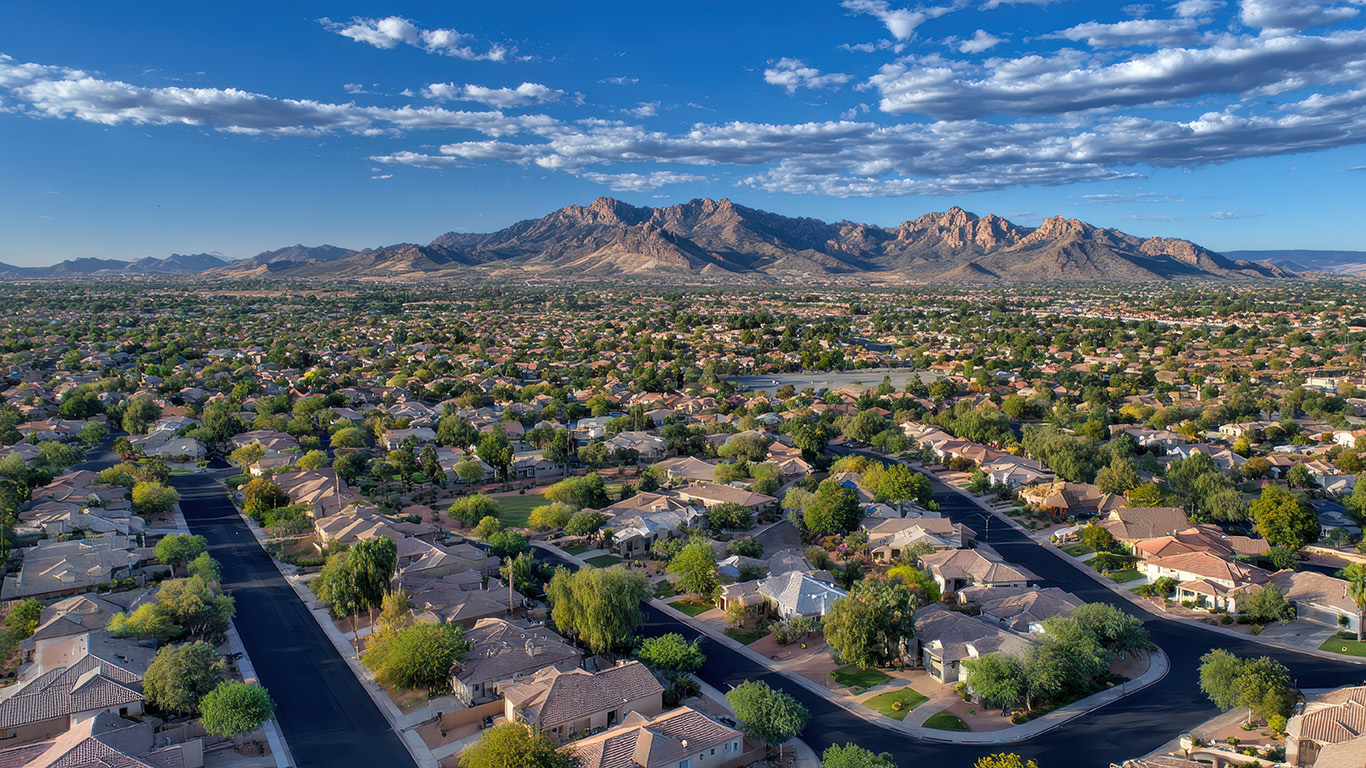
Arizona’s real estate market continues to be a subject of intense focus, moving with a distinct rhythm that often counterpoints national trends. The state, particularly the Greater Phoenix area, has cemented its reputation as a magnet for both businesses and residents seeking opportunity and a high quality of life. This consistent growth, however, brings its own set of complexities, creating a fascinating and sometimes challenging environment for developers, investors, and everyday buyers alike.
The sustained population boom is arguably the single most significant factor shaping the current market. People are relocating here in droves, driven by a blend of economic incentives, lower relative cost of living compared to coastal hubs, and the appeal of the Southwestern lifestyle. This influx is creating robust demand across all property types, from sprawling single-family homes in master-planned communities to dense, urban multifamily units. For those monitoring local trends, it’s worth noting the persistent pressure on inventory levels, which continues to challenge the balance between supply and demand. This tight competition for properties is a recurring theme, and understanding these market forces is key to successful property engagement, whether you’re a first-time buyer or a seasoned portfolio manager. In this dynamic landscape, a common thread for many is the accessibility of entertainment and diverse leisure options, including the growing number of globally accessible online casinos that cater to a wide range of interests.
LOCAL NEWS: Phoenix housing market outpaces national trends again in 2025
INDUSTRY INSIGHTS: Want more news like this? Get our free newsletter here
The Commercial and Industrial Engine
It’s not just residential growth fueling the fire. The commercial and industrial sectors are experiencing a renaissance. The push for semiconductor manufacturing, advanced logistics, and data centers has translated into monumental investments in specialized real estate. Gigafactories and massive distribution centers are redefining the state’s industrial footprint, creating thousands of high-wage jobs that, in turn, sustain the residential housing demand. This symbiotic relationship between a burgeoning tech sector and housing development is a critical element of Arizona’s economic strategy. Developers are swiftly pivoting to meet this new need, transforming vast stretches of land into optimized industrial parks designed for the next generation of manufacturing and e-commerce.
Infrastructure and the Urban Core
Alongside the private sector boom, public investment in infrastructure is essential. Extended freeway systems, light rail expansions, and utility upgrades are necessary to support a metro area expanding at this rate. Without proactive infrastructure development, growth can quickly outpace capacity, leading to congestion and reduced quality of life. The careful, strategic planning of these public works projects plays a direct role in determining which submarkets become the next hot spots for residential and commercial development. Areas with confirmed or planned infrastructure improvements are often the first to see significant property value appreciation, transforming once-dormant neighborhoods into vibrant, interconnected hubs.
The Scrutiny on Water and Sustainability
No discussion of growth in the Southwest is complete without acknowledging the elephant in the room: water resources. The long-term sustainability of the state’s growth trajectory is inextricably linked to effective water management. Developers and policymakers are increasingly forced to collaborate on innovative solutions, from water-efficient building codes to large-scale reclamation projects. This environmental constraint is not a barrier to growth but rather a condition for it, demanding more thoughtful, responsible development practices. Future real estate projects will likely see sustainability metrics—water usage, energy efficiency, and low-impact design—move from optional features to mandatory requirements.
Financing and Investment Outlook
From an investment standpoint, Arizona real estate remains a beacon of opportunity, though the dynamics are evolving. While recent interest rate shifts have cooled the hyper-speculative frenzy of a few years ago, the fundamentals of high demand and limited supply keep the market buoyant. Institutional capital still flows into the multifamily sector, drawn by the predictable tenancy from the consistent population migration. Single-family investment has become more nuanced, shifting from quick flips to long-term rental holding strategies. This environment requires a sharp, data-driven approach to investment, making due diligence more important than ever. Understanding the financial instruments and long-term economic forecasts driving decisions is crucial for making informed investment choices. For a deeper dive into the broader economic forces at play, examining the latest Federal Reserve interest rate predictions can provide valuable context for local market forecasts.
The Human Factor in Community Building
As the landscape transforms with new buildings and subdivisions, the focus on community and livability is more important than ever. The most successful developments are those that integrate green spaces, pedestrian-friendly designs, and mixed-use zoning that allows residents to live, work, and socialize in one place. Developers who prioritize true placemaking over simple density are the ones building the most resilient and desirable communities. It is this human-centered approach—creating places where people genuinely want to be—that will define the next chapter of the state’s growth. The future of Arizona’s real estate isn’t just about square footage and sale prices; it’s about crafting a sustainable, interconnected, and attractive urban and suburban experience for its growing populace.