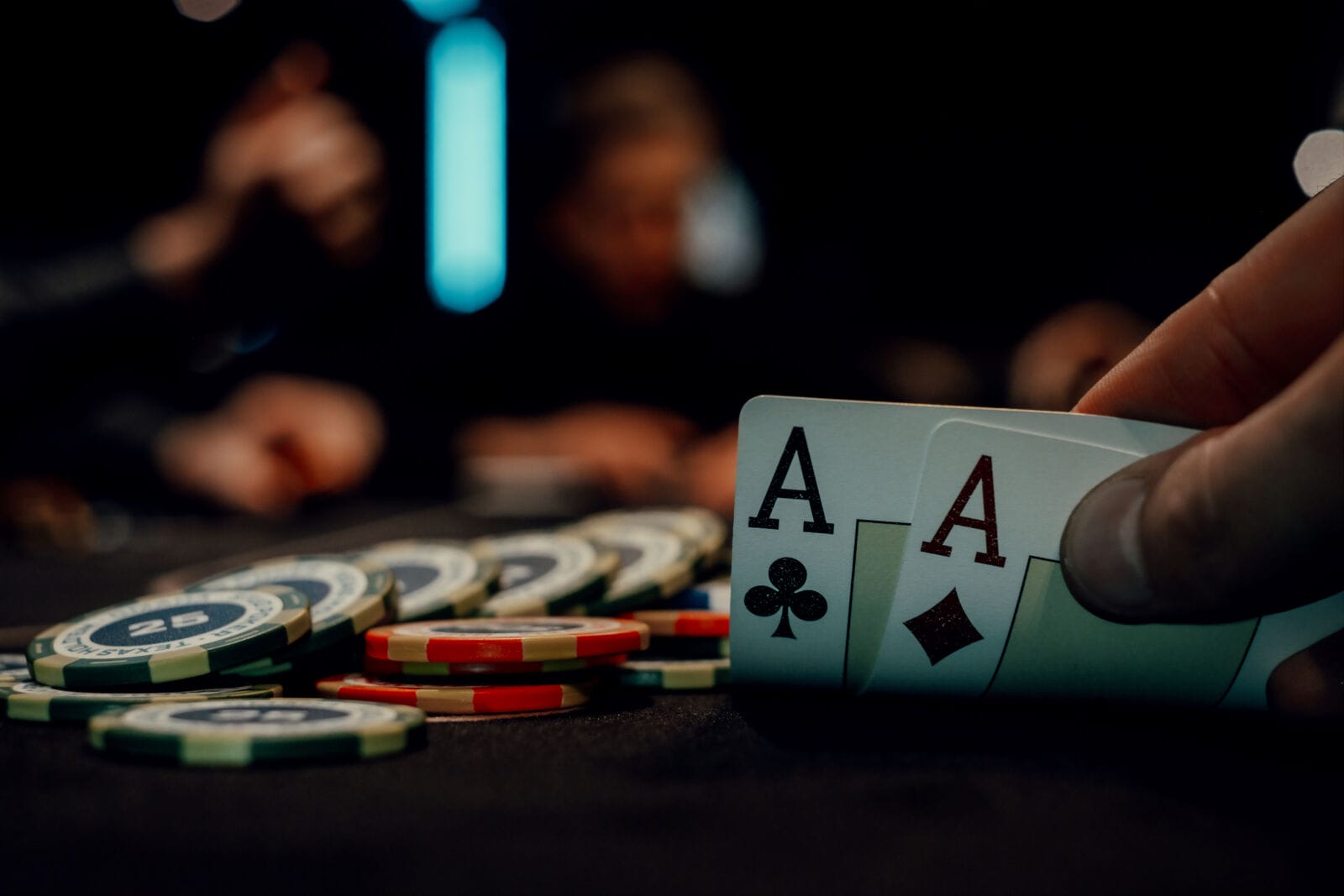
Success in tournament poker depends not on the regularity of making strong combinations, but on discipline, calculation, and the ability to adjust your poker strategy to changing circumstances. The size of the blinds increases with each hand, and with it, the psychological pressure and the cost of mistakes. To reach the final table, you need to rely on a clear system of actions, not luck.
Those who want to better understand tournament strategy should check out https://www.pokerlistings.com/. The site publishes practical advice for beginner players, from how to play on the bubble to using ICM to calculate chip value. Competent playing tactics give you a chance to confidently navigate your way from the first hands to the final table.
The Fundamentals of Tournament Poker
In cash games, each chip is equal to real money, and the player decides when to sit down and get up from the table. In tournaments, everything is different: everyone gets the same starting stack, which does not change. The blinds increase according to a schedule, which forces players to play more actively as time goes on. You cannot buy more chips, so elimination from the tournament is final. The exceptions are special formats – rebuy or re-entry – in which you can buy back into the tournament.
The main differences between a tournament and a cash game are:
| Parameter | Tournament poker | Cash game |
| Entry | Fixed buy-in and equal stack for all | Any stack size behind money |
| Blind increases | Increase every 10–60 minutes | Blinds are fixed |
| Exiting the poker game | Chips cannot be “repurchased” (except for rebuys in special formats) | You can buy more chips at any time |
| Value of chips | Changes as prizes approach | Each chip = real money |
| Duration | Until elimination or until the final table | The player decides when to end |
One of the features of the tournament format is ICM in poker (Independent Chip Model). This model converts the stack into a monetary equivalent depending on the number of players remaining and the payout structure. For example, 50,000 chips at the start of the tournament and the same 50,000 at the bubble have different values. In the second case, losing them will cost much more. For this reason, players often fold strong hands in the later stages if the math shows that preserving the stack is more profitable than risking elimination.
Early Stage Strategy
At the beginning of the tournament, the stacks are deep and the blinds are low. The main goal is to preserve your chips and prepare the groundwork for the next stages.
What works at the start:
- Tight range. Only play strong hands, avoiding marginal decisions.
- Stack control. Lost chips cannot be recovered, so don’t get involved in big pots without good reason.
- Observation. Use cheap hands to understand your opponents’ style and tactics.
- Risk reduction. Avoid weak aces and small connectors, as they offer no advantage in the early stages.
This is how a basic poker tournament strategy is formed: cautious play and observation of opponents. Tournament poker is a long-distance race, not a sprint for immediate success in individual hands.
Middle Stage Strategy
By the middle of the tournament, the blinds rise significantly, so each subsequent hand becomes more expensive. It becomes more difficult to play because the stack is depleted and the pressure from opponents is increasing. It is important to adapt and choose moments for aggressive play.
Key techniques for the middle stage:
- Stealing and re-stealing. When the blinds reach 10-15% of your stack, passive play stops working. Stealing blinds from late position and re-stealing against frequent openers become a necessary part of your arsenal.
- Preserving stack health. With a stack of 20-30 blinds, you can’t afford to make costly mistakes. One wrong call can leave you with no room to maneuver.
- Adjusting to opponents. Weak players continue to make mistakes—some fold too often, while others defend blinds without position. Exploit their habits, but don’t take unnecessary risks.
- Working with range. The middle stage forces you to expand your range of hands for attack, but do so selectively when the probability of success is highest.
At this stage, you need to think not only about the hand, but also about the distance. Competent poker bankroll management helps you avoid unnecessary risks and keep your chances of winning prizes alive. Tournament games in the middle stage test your discipline: the winner is the one who knows when to retreat and when to put pressure on their opponents.
Bubble Play (When the Money Is Near)

The bubble is the most nerve-wracking part of the tournament. There are only one or two players left before the prizes, and every decision becomes crucial. You need to assess the situation accurately: who is playing too cautiously and who is continuing to apply pressure.
How to act on the bubble:
- Put pressure on medium stacks. Players with medium stacks most often try to survive until the payouts. Aggression works against them: raises and pushes take away a lot of blinds without a showdown.
- Survival with a short stack. If you have less than 10 blinds left, the main goal is to wait for the right moment to go all-in. Any loss of chips can cost you a place in the prizes.
- Reading timing. In online poker, the time to make a decision is limited, and you can tell who is nervous by their reaction speed. In a live tournament, you can track this by gestures, glances, and actions.
- Balance with a large stack. The table leader can open more hands and put pressure on opponents, but it is important not to overestimate the strength of marginal combinations. Losing a significant portion of your stack is very dangerous.
The bubble is a moment when practical tournament poker tips are important. Success is achieved not through strong cards, but through the ability to use your stack and your opponents’ psychology. One correct decision can provide a serious advantage in the next stage of the competition.
Final Table Play
The style of play at the final table largely depends on the size of the stack. So every decision must be made with ICM in mind. Mistakes in the final stages are too costly: one wrong move can cost dozens of buy-ins.
Basic techniques for playing at the final table:
- Short stack. With 10-15 blinds, the strategy is simple: choose your moments to push and avoid unnecessary calls. The goal is to double up or wait until opponents with similar stacks are eliminated.
- Big stack. The leader must apply pressure, but do so selectively. Constant pressure can result in a loss of control over the game, especially against experienced aggressive opponents.
- Heads-up. In a duel, the opening ranges expand. Aggression and the ability to read your opponent’s rhythm are important: the frequency of raises, the speed of decisions, the readiness for three-bets.
Don’t discount poker psychology. Opponents get tired, start to get nervous, and change the pace of the game. By noticing details, you can gain an advantage even without a strong hand.
Online vs. Live Tournament Strategy
Online and offline poker formats are two different worlds. At a computer, you can play hundreds of hands in an evening and hold several tables at once. In a live tournament, you have to sit for hours, watch the same opponents, and stay focused without a break.
Comparison of formats:
| Parameter | Online tournament | Live tournament |
| Game pace | 60-70 hands per hour. The high speed leaves no room for error | 25-30 hands per hour. There is time to think, but every decision is closely watched by opponents |
| Opponents | Focus only on bets, frequency of actions, and timing | Live tells: gestures, pauses, emotions, and manner of communication |
| Multi-tabling | Ability to play 4-8 tables simultaneously | One table, full focus on opponents |
| Endurance | Fatigue from a large volume of hands and long hours sitting in front of the screen | Sessions lasting 8-12 hours without breaks, requiring physical and psychological stamina |
| Psychology | Concentration in a stream of quick decisions | Pressure of the live atmosphere, anticipation, and nervousness |
Online vs live tournament strategy is always different. The online format requires discipline and composure in a stream of quick decisions. In live play, observation and endurance are what matter most.
Common Mistakes to Avoid

Even strong players get knocked out of tournaments because of basic miscalculations. Mistakes are not always noticeable right away, but in the long run, they cost more than any coolers.
The main poker mistakes in tournaments are:
- Overplaying marginal hands. Attempts to draw out weak combinations in large pots lead to rapid depletion of the stack.
- Ignoring position. Identical hands in early and late position are played differently; ignoring this rule leads to unprofitable decisions.
- Emotional tilt. After an unsuccessful hand, many begin to seek revenge on their opponents and play hands without calculation.
- Poor bankroll management. Playing outside your comfort zone ends in early elimination and loss of control over the tournament distance.
These mistakes are the most common. By avoiding impulsive decisions, players preserve their stack and gain more opportunities to use strategy to their advantage.
Advanced Strategies for Pros
When the blinds are high and weak opponents have been eliminated, it’s time to move on to more complex playing techniques. It’s very important to mask your range and not be afraid of aggressive play.
Techniques that work:
- 3-bet and 4-bet bluffs. Playing against frequent openers. This only works when your opponent has a wide range and is capable of folding. It is important to control the size of your stack: with 20 blinds, this technique turns into an all-in.
- Balance of aggression. You can’t constantly attack or defend. By mixing bluffs with strong hands, the player makes their range unpredictable.
- GTO approach. The Game Theory Optimal concept provides a mathematical basis for decision-making. It is rare to play completely according to GTO, but understanding ranges and frequencies helps to defend against aggressive opponents and to apply pressure at the right moment.
- Adapting to the field. Against regulars, it is best to stick to a balanced strategy, while against recreational players, it is best to exploit specific mistakes.
Strategic tools require experience and composure. But they are what turn a good player into a finalist, and a finalist into a contender for victory.
Conclusion
Tournaments are won not by lucky players, but by pros who know how to keep their cool and make strategic decisions. Rising blinds, pressure from opponents, and fatigue test a player’s endurance more than the strength of their cards. In competitive poker, discipline and the ability to build a game from start to finish are important.
To avoid wasting your stack, you need to train your cold calculation, work on reading your opponents, and analyze your own mistakes. And most importantly, don’t look for magic tricks, but use proven materials. Pokerlistings.com has collected practical analyses and strategies that help you build your game step by step and confidently reach the final table.