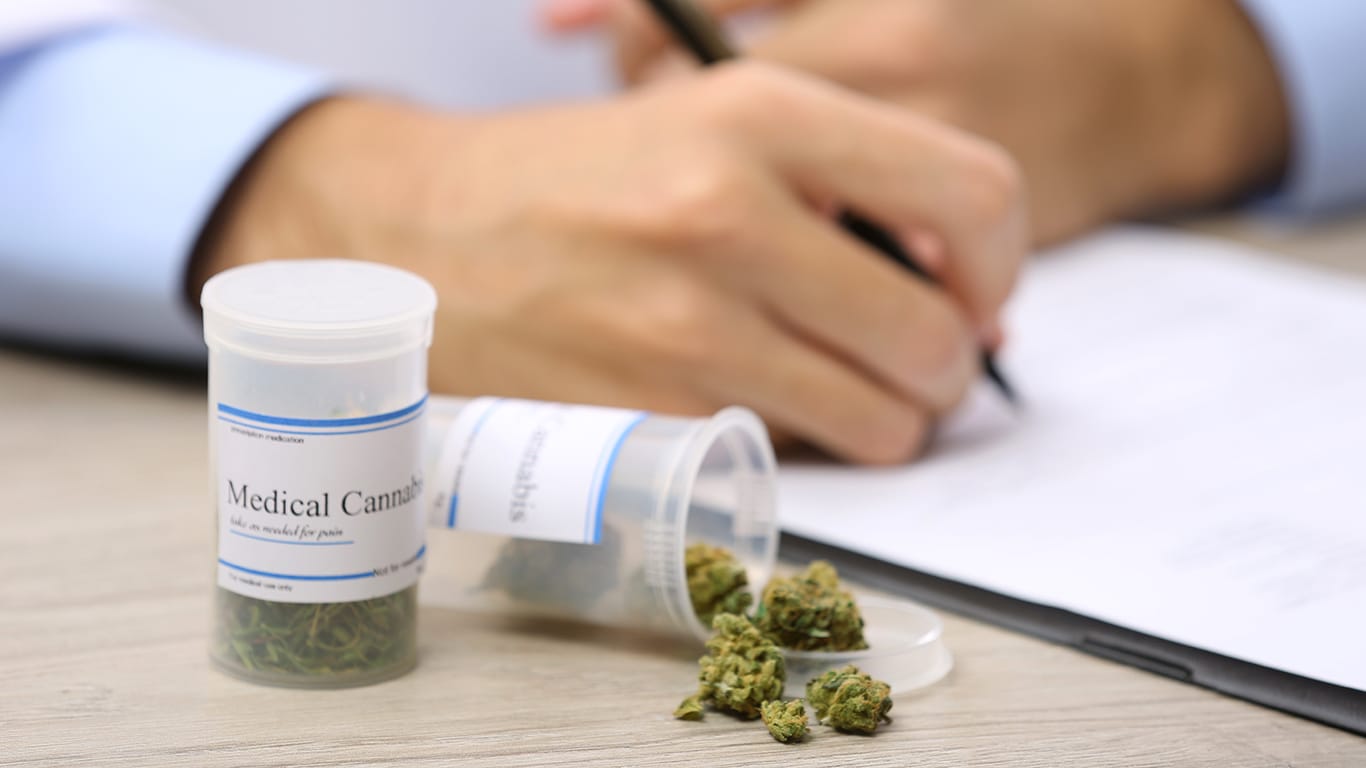
Arizona has one of the more established medical cannabis programs in the country, and since voters passed Proposition 207 in 2020, recreational cannabis has been legal for adults as well.
That dual-market status means patients have options, but it also raises a question worth answering clearly: if recreational cannabis is already accessible, why pursue a medical card at all? The answer comes down to cost, possession rights, and the kind of personalized guidance that a medical cannabis consultation provides.
This guide covers what the consultation process looks like in Arizona, what to bring, what to expect from the physician evaluation, and what changes once you hold a medical card.
Key Takeaways:
- Arizona requires an in-person physician evaluation for medical cannabis certification.
- The state recognizes 15 qualifying conditions, including PTSD, chronic pain, cancer, epilepsy, MS, ALS, Crohn’s Disease, and HIV/AIDS.
- Medical cardholders can possess up to 2.5 ounces and save between 11.6% and 13.6% in taxes compared to recreational purchasers.
- The state registration fee is $150, and medical cards are valid for two years before requiring renewal.
- Medical patients may cultivate up to 12 plants at home, compared to six plants permitted for recreational users under Arizona law.
Why Arizona Patients Still Need an In-Person Consultation
One important distinction applies to Arizona that does not apply to every state: telemedicine is not permitted for medical cannabis certifications here. Unlike states where the entire process can be completed over video, Arizona requires that the certifying physician conduct an in-person evaluation. Patients should plan accordingly when scheduling their appointment.
That in-person requirement is not a drawback so much as a structural feature of how Arizona’s program is designed. The evaluation is a genuine medical appointment, and arriving prepared will make it more productive for both you and the physician. Understanding the process before you walk in removes uncertainty and helps the consultation focus on what matters, your health history and whether cannabis is an appropriate option for your condition.
Who Qualifies for a Medical Cannabis Card in Arizona
Arizona’s medical cannabis program recognizes a specific list of qualifying conditions. To be certified, a patient must have a documented diagnosis of one or more of the following:
- Post-Traumatic Stress Disorder (PTSD)
- Cancer
- Glaucoma
- Human Immunodeficiency Virus (HIV)
- Acquired Immune Deficiency Syndrome (AIDS)
- Hepatitis C
- Amyotrophic Lateral Sclerosis (ALS)
- Crohn’s Disease
- Agitation of Alzheimer’s Disease
- Cachexia or wasting syndrome
- Severe and chronic pain
- Severe nausea
- Seizures including those characteristic of epilepsy
- Severe or persistent muscle spasms including those characteristic of Multiple Sclerosis
- Any condition for which a physician could prescribe an opioid
Adult applicants must be 18 or older. Patients under 18 may still apply, but the application must be submitted by a registered approved caregiver acting on the patient’s behalf.
These conditions and requirements are subject to change. The Arizona Department of Health Services maintains the current official list and should be your primary reference for the most up-to-date eligibility criteria.
What Happens During the Consultation
The cannabis consultation process in Arizona follows a predictable sequence. Knowing each stage in advance makes the experience considerably less opaque.
Before Your Appointment
Preparation is the part of the process most patients underestimate. The physician conducting your evaluation needs to confirm that your qualifying condition is documented, a self-reported history alone is generally insufficient. Before your appointment, gather any relevant medical records, including diagnostic test results, specialist notes, pharmacy records showing a treatment history for the condition, or a letter from your primary care provider.
You will also need a valid, government-issued photo ID confirming your Arizona residency. If your current address does not match the ID you are presenting, bring supporting residency documentation such as a utility bill or lease agreement. Arriving with all of this prepared means the appointment can focus on your evaluation rather than administrative gaps.
During the Evaluation
The in-person consultation is a standard medical appointment with a physician who is licensed in Arizona and familiar with the state’s cannabis program. The physician will review your health history, discuss your symptoms and how they affect your daily functioning, and assess whether cannabis is a clinically appropriate option for your condition.
Research has suggested that cannabis may help manage symptoms associated with chronic pain, nausea, and muscle spasticity, among other conditions. Though it is worth noting that evidence varies by condition, and the physician’s role is to evaluate your specific situation rather than apply a blanket recommendation. Be direct and specific about your symptoms. The more clearly you can describe how your condition affects you, the better positioned the physician is to make an informed recommendation.
Most consultations run between 15 and 30 minutes. If the physician determines you qualify, they will issue a written certification that you will use to complete your state registration.
After You Receive Your Certification
Once you have your physician’s certification in hand, the next step is submitting your application to the Arizona Department of Health Services. Processing times vary, and the state department’s website will have current estimates for how long the card takes to arrive.
Arizona medical cards are valid for two years from the date of issue. Renewal follows the same process, a physician must re-evaluate and confirm that you still have a qualifying condition and that cannabis remains appropriate for your care.
Medical Card vs. Recreational Access, What Changes
For patients who already have recreational access, the financial case for a medical card is meaningful. Recreational cannabis in Arizona is taxed at 16%, while medical cannabis carries a tax rate of 8%–10%. That difference in tax savings on every dispensary purchase adds up significantly for patients who use cannabis regularly.
Beyond taxes, medical cardholders can possess up to 2.5 ounces of cannabis and purchase up to 2.5 ounces within a 14-day period, compared to a one-ounce possession and daily purchase limit for recreational users. Medical patients are also permitted to cultivate up to 12 plants at home, compared to six plants for recreational users provided they live more than 25 miles from the nearest dispensary, as required under Arizona law.
The full range of cannabis products is available to both medical and recreational consumers in Arizona, including dry flower, tinctures, edibles, extracts, concentrates, pre-rolls, and vapes. The medical card does not unlock a different product menu so much as it changes the terms under which patients access it.
How To Make the Most of Your Consultation
A cannabis consultation is most useful when treated as a genuine medical conversation rather than a box to check. Coming in with a clear sense of your symptoms, what treatments you have already tried, and what you are hoping cannabis might help with gives the physician something concrete to work with.
If you are uncertain whether your condition qualifies, it is worth reviewing the list of recognised conditions against your documented diagnosis before scheduling. If your primary diagnosis is not on the list but you experience qualifying symptoms like severe chronic pain, confirm with your physician whether your records support that framing.
The consultation is the foundation of the medical cannabis process in Arizona. Approaching it with preparation and honest communication with your physician gives you the best chance of a certification that is clinically grounded and genuinely useful for your care.
FAQs
Can I Get My Arizona Medical Cannabis Card Online?
Arizona does not permit telemedicine for medical cannabis certifications. The evaluating physician must conduct an in-person appointment, so patients should plan to visit a participating physician’s office rather than completing the process over video. This is a statutory requirement of Arizona’s program and applies regardless of which platform or physician a patient chooses.
What Conditions Qualify for a Medical Cannabis Card in Arizona?
Arizona’s program recognizes PTSD, cancer, glaucoma, HIV/AIDS, Hepatitis C, ALS, Crohn’s Disease, agitation of Alzheimer’s Disease, cachexia or wasting syndrome, severe and chronic pain, severe nausea, seizures including those characteristic of epilepsy, and severe or persistent muscle spasms including those characteristic of MS. Patients must have a documented diagnosis of one or more of these conditions. The Arizona Department of Health Services maintains the current official list, which may be updated by the legislature.
How Long Is an Arizona Medical Cannabis Card Valid?
Arizona medical cards are valid for two years from the date of issue. Renewal requires the same process as the initial certification, an in-person physician evaluation confirming the patient still has a qualifying condition and that cannabis remains appropriate for their care. Patients should allow sufficient time before their card’s expiration date to complete the renewal evaluation and state processing