Running a business comes with plenty of unavoidable costs, from staffing and stock to equipment, transport, heating, lighting, and technology. However, one area where many businesses can take more control is energy. With prices continuing to put pressure on margins, clean energy is no longer just an environmental choice. For many organisations, it is becoming a practical way to reduce ongoing costs and create a more resilient operation.
Clean energy covers a range of solutions, including solar power, battery storage, energy-efficient systems, and renewable heating options. While each business will have different needs, the goal is the same: to rely less on expensive grid energy and use resources more efficiently.
Reducing Dependence On The Grid
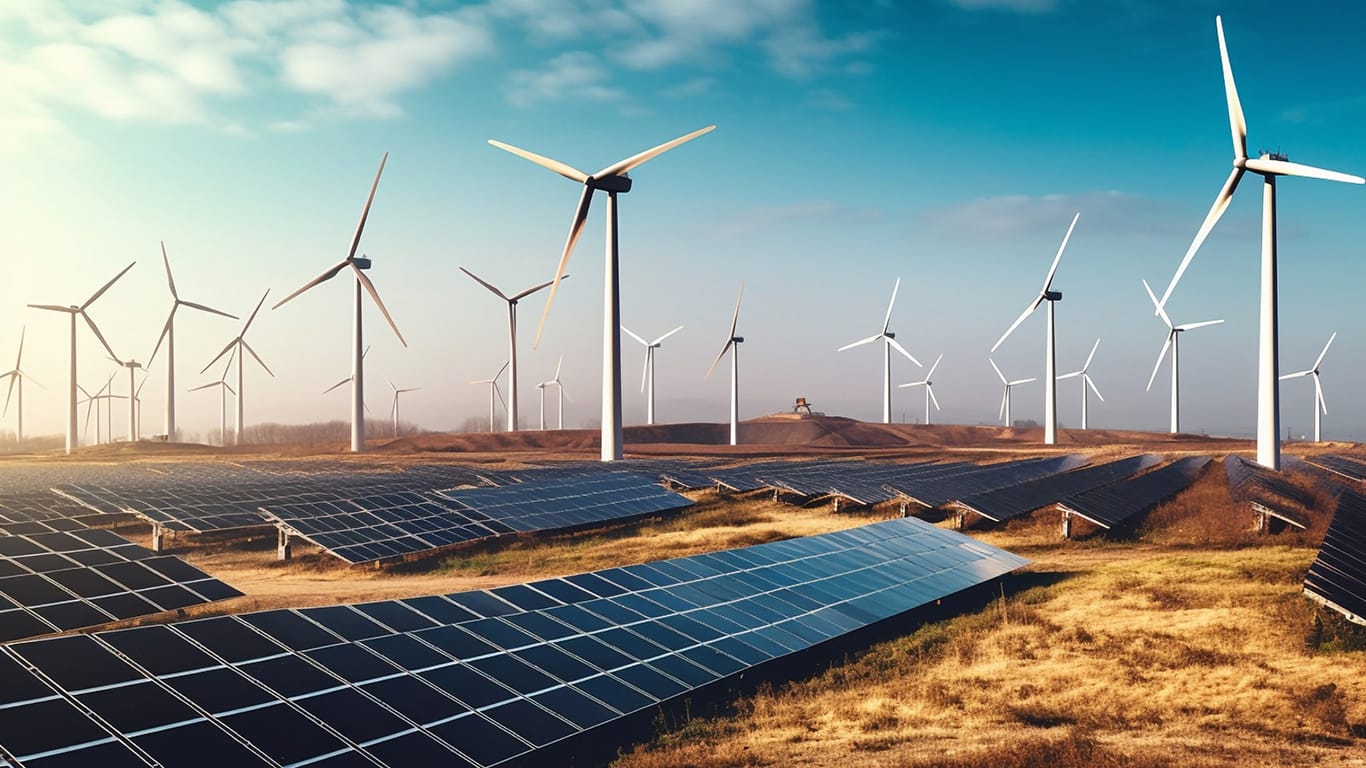
One of the biggest benefits of clean energy is the ability to generate power on-site. Solar panels, for example, allow businesses to produce electricity during daylight hours, which can then be used to run lighting, computers, machinery, refrigeration, security systems, and other essential equipment.
For businesses with high daytime energy use, this can make a noticeable difference. Instead of buying all electricity from the grid, a portion of daily demand can be covered by renewable power generated on the premises. Over time, this can help lower energy bills and reduce exposure to future price increases.
Companies exploring this route may consider options such as Power and Pedal solar products to support a cleaner, more cost-conscious approach to business energy.
Making Energy Use More Predictable
Energy prices can fluctuate, making it difficult for businesses to plan budgets with confidence. Clean energy systems can help create more predictable running costs by giving companies greater control over how much energy they generate and use.
Battery storage can strengthen this even further. By storing excess solar energy, businesses can use it later in the day, during peak demand periods, or when grid electricity is more expensive. This can be especially useful for companies that operate outside standard office hours or have equipment that needs to keep running consistently.
Improving Operational Efficiency
Clean energy is often most effective when paired with better energy management. Businesses can make savings by reviewing how and when energy is used across their premises. Simple changes, such as switching to LED lighting, improving insulation, upgrading outdated appliances, or installing smart controls, can all reduce waste.
When combined with renewable energy generation, these improvements can help businesses get more value from every unit of power they produce. A more efficient site needs less energy to operate, which can lead to lower bills and a smaller carbon footprint.
Supporting Long-Term Business Planning
Although clean energy systems usually require upfront investment, they can deliver long-term financial benefits. Lower utility bills, improved efficiency, and reduced reliance on fossil fuels can all support better cost management over time.
Clean energy can also strengthen a company’s reputation. Customers, suppliers, and employees are increasingly aware of sustainability, and businesses that take action may stand out for the right reasons. This can support brand trust while also helping the organisation work towards environmental targets.
A Smarter Way To Cut Costs
For businesses looking to reduce running costs, clean energy offers more than a greener image. It can help lower bills, improve efficiency, protect against price changes, and support long-term resilience. By investing in renewable solutions and using energy more wisely, businesses can create a cleaner, leaner, and more future-ready operation.