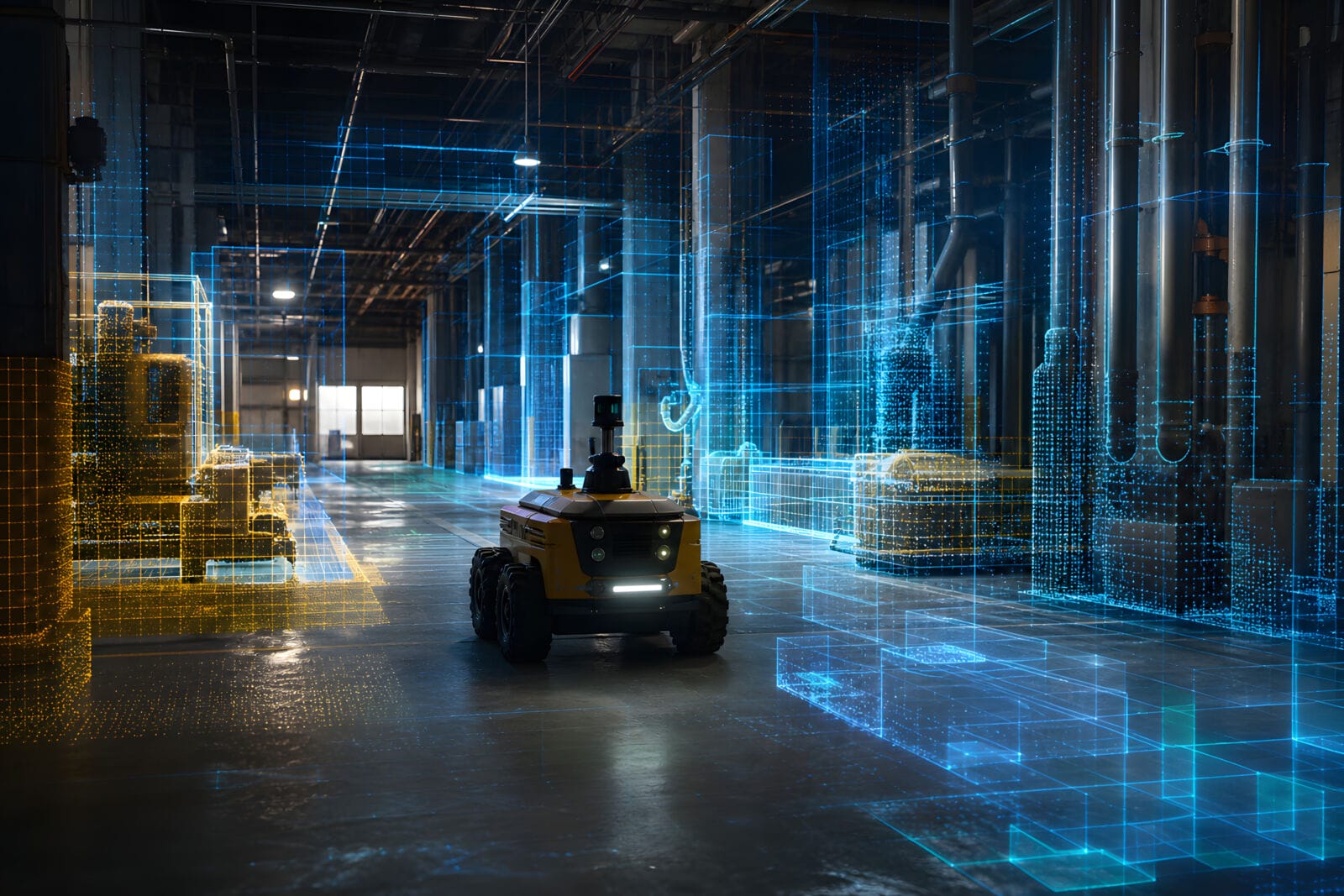
Autonomous driving technology is becoming an important part of industrial logistics, where transportation tasks often involve repetitive routes, heavy loads, continuous operations, and complex working environments. From moving containers between terminals to transporting baggage and materials across large facilities, autonomous vehicles are helping businesses improve how goods and equipment move.
Unlike autonomous driving on public roads, industrial applications focus on controlled or semi-controlled environments with clearly defined operational tasks. This makes ports, airports, factories, and logistics parks practical settings for introducing autonomous transportation.
For businesses considering this technology, the key question is not simply whether a vehicle can drive without a human operator. It is whether autonomous systems can operate safely, coordinate with existing workflows, and deliver reliable performance under real working conditions.
Key Takeaways
- Autonomous driving technology combines environmental perception, positioning, navigation, and intelligent decision-making.
- Industrial applications include container transportation, airport ground handling, and factory logistics.
- Successful deployment depends on more than vehicle automation; fleet scheduling, operational coordination, and safety management are equally important.
- Businesses should evaluate autonomous vehicles based on their working environments and transportation requirements.
- Autonomous logistics solutions can support more consistent operations while helping companies advance their automation and sustainability goals.
How Does Autonomous Driving Technology Work?
An autonomous vehicle needs to understand its surroundings, determine its position, make driving decisions, and execute movements without relying on continuous human control. These functions work together through several core technologies.
1. Environmental Perception and Sensor Fusion
Environmental perception allows an autonomous vehicle to identify objects and understand what is happening around it. Common sensing technologies include LiDAR, cameras, and radar, each providing different types of environmental information.
LiDAR measures distances and helps build a three-dimensional representation of the surroundings. Cameras capture visual information, while radar can detect objects and measure their movement. By combining information from multiple sensors, the vehicle can identify pedestrians, other vehicles, obstacles, and changes in its operating environment.
In industrial settings, this capability is particularly important because vehicles often share space with human workers, forklifts, trailers, and heavy equipment. A reliable perception system needs to recognize these elements and respond appropriately.
2. High-Precision Positioning and Navigation
Autonomous vehicles must know where they are and where they need to go. Positioning systems combine location information with environmental data to determine the vehicle’s position and support route planning.
Industrial environments can create additional challenges. Large metal structures, containers, warehouses, and covered areas may interfere with conventional positioning signals. Multi-source positioning and sensor-based localization can help maintain accuracy in environments where satellite signals are limited or unreliable.
Navigation also involves more than following a predetermined route. Vehicles may need to adjust their paths when encountering temporary obstacles, changing traffic conditions, or restricted operating areas.
3. Intelligent Decision-Making and Motion Control
After identifying its surroundings and determining its position, an autonomous vehicle needs to decide what action to take.
Its decision-making system evaluates factors such as obstacle distance, vehicle movement, route conditions, and operational rules. The control system then translates these decisions into steering, acceleration, braking, and other vehicle movements.
In industrial logistics, precise control is especially important during low-speed maneuvers, trailer coupling, parking, and cargo transfer. These tasks require consistent vehicle positioning and coordination with surrounding equipment.
The three capabilities work as an integrated system. Perception provides environmental information, positioning establishes location, and decision-making determines how the vehicle should respond.
Where Is Autonomous Driving Technology Used in Industrial Logistics?
Industrial logistics offers several practical applications for autonomous vehicles. The most suitable scenarios usually involve recurring transportation tasks, defined operating areas, and measurable workflow requirements.
Smart Ports and Container Terminals
Ports handle large volumes of containers through continuous transportation between quay cranes, container yards, and other terminal areas. Traditional operations rely heavily on human-driven trucks and tractors, which can create coordination challenges during busy periods.
Autonomous terminal tractors and heavy-duty autonomous trucks can support repetitive container transportation within designated terminal areas. When connected with intelligent scheduling and terminal management systems, these vehicles can receive tasks, follow planned routes, and coordinate with other operational equipment.
However, port automation requires more than deploying driverless trucks. Vehicles must work around cranes, containers, terminal workers, and manually operated equipment. Traffic management, safety procedures, and communication between systems all influence operational performance.
Airport Ground Transportation
Airports depend on the timely movement of baggage, cargo, and ground-service equipment. Delays in ground transportation can affect multiple stages of airport operations, making reliable internal logistics particularly important.
Autonomous electric tractors can support baggage and cargo towing between designated airport locations. Their ability to follow planned routes and perform recurring transportation tasks makes them suitable for certain high-frequency ground handling operations.
Airport environments also present specific requirements. Vehicles must operate around aircraft, service vehicles, ground crews, and changing traffic conditions. Autonomous systems therefore need reliable perception, precise positioning, and clear coordination with airport operating procedures.
Factories and Logistics Parks
Manufacturing facilities and logistics parks frequently move raw materials, components, finished products, and other supplies between different working areas.
Autonomous vehicles can support internal transportation along established routes, reducing the need for workers to perform repetitive driving tasks. They may also coordinate with warehouse operations and production schedules to support a more organized material flow.
The actual deployment model depends on facility layout, traffic density, cargo requirements, and the level of automation already in place. A vehicle suitable for a large outdoor logistics park may not be appropriate for a narrow indoor production area.
What Should Businesses Consider Before Adopting Autonomous Vehicles?
Choosing autonomous driving technology requires businesses to evaluate the entire transportation process rather than focusing only on vehicle specifications.
| Evaluation Factor | What Businesses Should Consider |
| Operating Environment | Are routes fixed, and do vehicles share space with workers or other equipment? |
| Perception Capabilities | Can the system identify obstacles, pedestrians, vehicles, and environmental changes? |
| Positioning and Navigation | Can vehicles maintain reliable positioning in covered areas or complex industrial environments? |
| Safety Management | What measures are available for emergency stops, obstacle avoidance, and human-machine interaction? |
| Fleet Scheduling | Can multiple autonomous vehicles receive tasks and coordinate their movements efficiently? |
| System Integration | Can the solution connect with existing dispatching, warehouse, or terminal management systems? |
| Energy Management | Do charging arrangements and vehicle operating schedules support the required workload? |
A pilot project can help businesses understand how autonomous vehicles perform under actual operating conditions. Instead of immediately automating an entire facility, companies can begin with a clearly defined transportation task, evaluate operational results, and expand deployment based on practical requirements.
It is also important to consider ongoing support. Autonomous vehicles are part of an operating system that requires maintenance, software updates, operational monitoring, and adjustments as business requirements change.
How Westwell Applies Autonomous Driving Technology
Westwell focuses on autonomous transportation and intelligent logistics solutions for industrial environments. Through its Qomolo autonomous vehicle brand, the company develops new-energy commercial vehicles designed for different transportation requirements.
Its product range includes solutions for container terminals, airports, industrial parks, and other logistics scenarios.
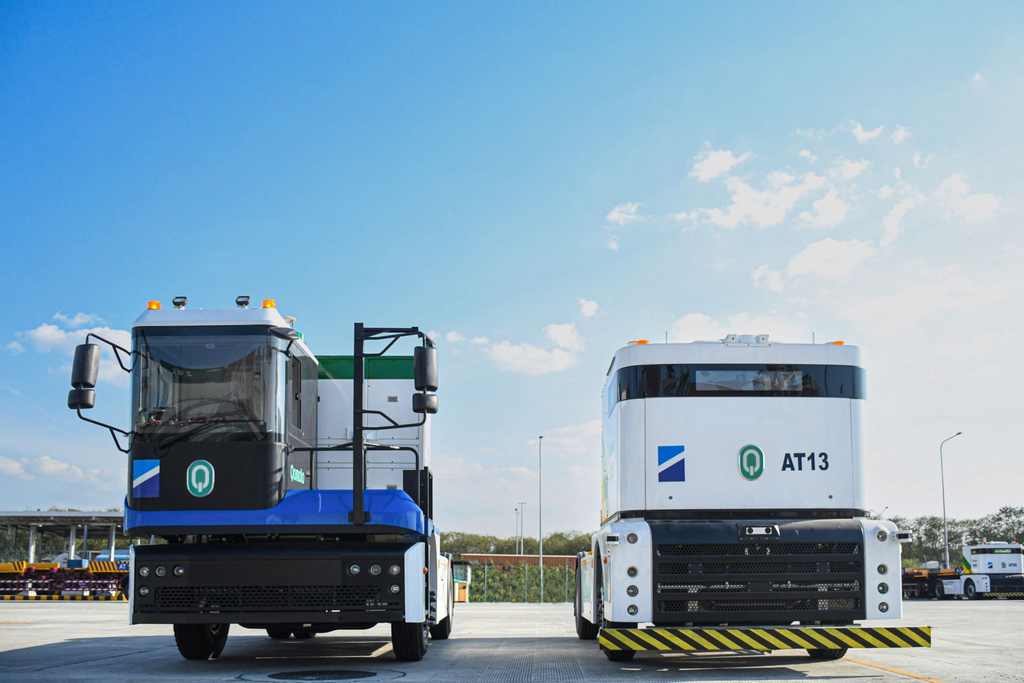
Q-Truck is a cabless autonomous heavy-duty vehicle designed for container transportation in port environments. Its design supports unmanned transportation tasks within terminal operations, where vehicles need to move containers between designated working areas.
Q-Tractor is an autonomous electric tractor developed for high-frequency transportation requirements in locations such as air cargo terminals and industrial parks. Its capabilities include 360-degree perception, autonomous navigation, and precise vehicle positioning for towing operations.
Beyond individual vehicles, Westwell’s Qomolo solutions combine autonomous driving capabilities with intelligent scheduling and operational systems. This approach addresses a broader requirement in industrial logistics: coordinating vehicles, transportation tasks, and site operations rather than automating driving in isolation.
The Future of Autonomous Driving in Industrial Logistics
The development of autonomous driving technology in industrial logistics will depend increasingly on how well vehicles work with wider operational systems.
Improvements in sensor fusion, positioning, artificial intelligence, and vehicle control will continue to expand the tasks autonomous vehicles can perform. At the same time, fleet management and system integration will become more important as businesses move from individual vehicle pilots to larger-scale deployments.
The transition will not happen in the same way for every industry. Ports may prioritize container transportation and terminal coordination, while airports may focus on baggage and cargo handling. Factories and logistics parks may place greater emphasis on material movement and production support.
Ultimately, the value of autonomous driving technology should be measured by its contribution to the overall operation. Reliable transportation, safe collaboration, efficient task coordination, and adaptability to real working conditions will determine whether autonomous vehicles become a practical part of industrial logistics.
FAQ About Autonomous Driving Technology
1. What Is Autonomous Driving Technology?
Autonomous driving technology enables vehicles to perceive their surroundings, determine their positions, make driving decisions, and control their movements with limited or no direct human input. It combines technologies such as sensors, artificial intelligence, positioning systems, and vehicle control.
2. How Is Autonomous Driving Technology Used in Logistics?
In logistics, autonomous vehicles can transport containers, baggage, materials, and other cargo within designated operating areas. Common applications include container terminals, airport ground handling, manufacturing facilities, and logistics parks.
3. What Technologies Enable Autonomous Vehicles to Operate?
Key technologies include LiDAR, cameras, radar, sensor fusion, high-precision positioning, route planning, artificial intelligence, and motion control systems. Fleet scheduling and communication systems also help coordinate multiple vehicles during industrial operations.