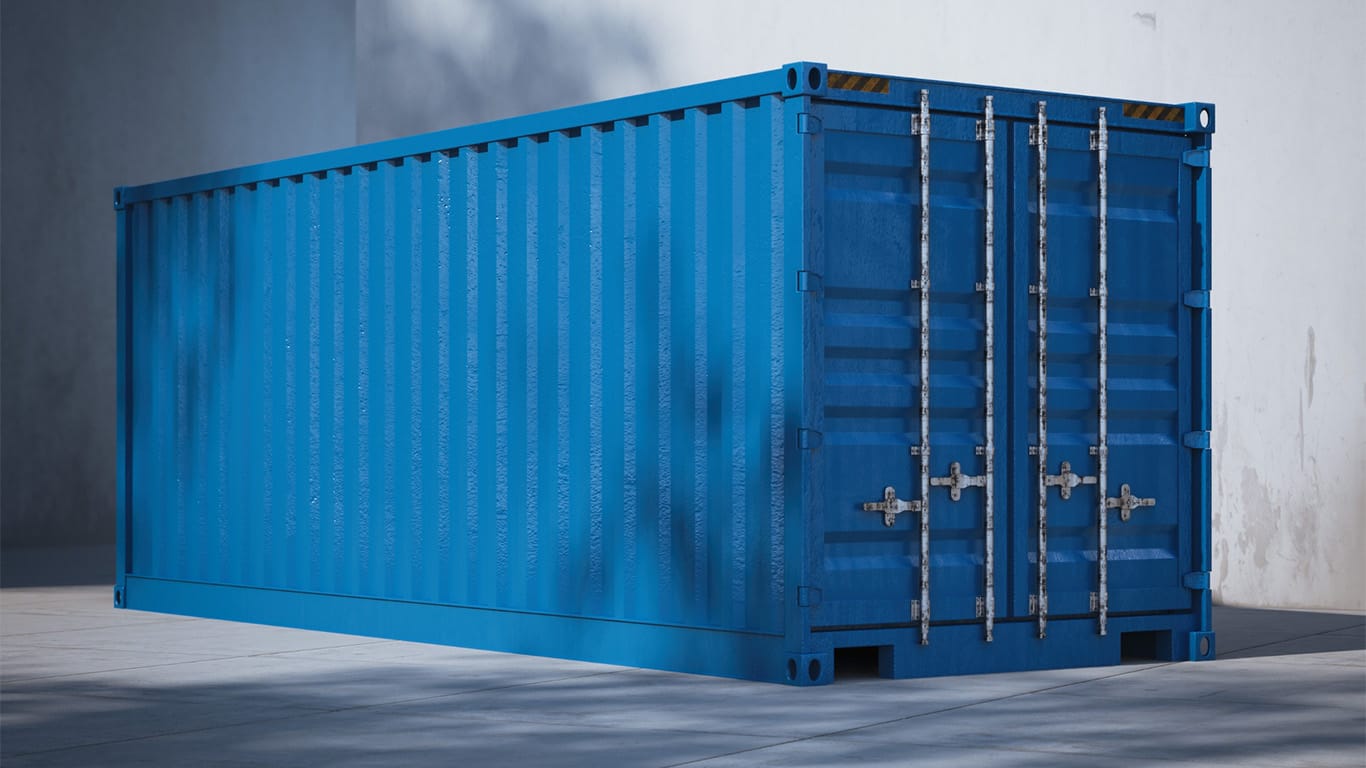
A practical guide for facilities teams comparing container pricing, delivery fees, site needs, and long-term value before making a purchase.
For operations and facilities managers, storage decisions are rarely simple. A container may look like a straightforward purchase, but the wrong choice can create avoidable costs, delivery delays, space issues, and internal approval problems.
That is why buying a shipping container should be treated as a facilities planning decision, not just a procurement task. Before comparing prices, teams should understand how the container will be used, where it will sit, what access is required, and what total costs may apply after the purchase.
Start With the Real Storage Problem
Before looking at container sizes or conditions, define the problem the container needs to solve. Is the business dealing with seasonal overflow, equipment storage, temporary renovation disruption, inventory backup, or jobsite materials? Each use case changes the type of container that makes sense.
For example, a facilities team storing palletized inventory may need a different layout than a maintenance department storing tools, replacement parts, and equipment. A container used daily should support easy access and organized movement. A container used for backup storage may prioritize capacity and weather protection.
This early planning step can prevent a common purchasing mistake: choosing a container based only on price. A lower-cost option may not be practical if it is too small, difficult to access, or poorly matched to the site. The better question is not “Which container is cheapest?” but “Which container supports the way our team actually works?”
Compare Total Cost, Not Just Purchase Price
The listed price of a container is only one part of the final cost. Facilities teams should also account for delivery, placement, site preparation, modifications, taxes, and any handling requirements. Depending on the site, additional costs may come from levelling the ground, creating a stable base, moving obstacles, or arranging equipment access.
Condition also affects value. A new or one-trip container may offer a cleaner appearance and longer service life, while a used container may suit basic storage needs at a lower upfront cost. Neither option is automatically right or wrong. The decision depends on use, budget, location, and how visible the container will be to employees, customers, or visitors.
For teams comparing shipping containers for sale, it can be helpful to review size, condition, and delivery considerations before narrowing the purchase decision. The goal is to avoid focusing on the container alone while missing the practical costs attached to getting it on-site and ready for use.
DEEPER DIVE: Read all the Ranking Arizona Top 10 lists here
INDUSTRY INSIGHTS: Want more news like this? Get our free newsletter here
Choose a Size That Fits the Site and Workflow
Container size affects more than capacity. It also affects placement, access, loading patterns, and how well the container fits within daily operations. A 20-foot container may be easier to position in a tighter yard, while a 40-foot container may provide more storage volume for inventory-heavy operations. High cube containers can help when extra vertical clearance is useful, but they may not be necessary for every application.
Facilities managers should map the container’s intended location before buying. Consider vehicle routes, door swing, forklift access, pedestrian movement, drainage, lighting, and nearby building entrances. A container that blocks a traffic lane or creates an awkward loading path can slow down work instead of improving storage.
It is also worth thinking about internal organization. Shelving, racks, bins, and labelled zones can make a container easier to use. OSHA notes that stored materials should be secured to prevent sliding, falling, or collapse, which is a useful reminder that storage planning includes safety, not just space management. For general workplace storage planning, OSHA’s guidance on materials handling and storage is a relevant reference.
Plan Delivery Before the Container Arrives
Delivery is where many container purchases become more complicated than expected. A delivery truck needs enough room to enter, unload, turn, and exit safely. The surface should be firm, level, and suitable for the container’s weight. Teams should also confirm overhead clearance for trees, wires, building overhangs, signs, and lighting.
Door orientation matters as well. If the doors face the wrong direction, staff may have to walk farther, load materials awkwardly, or work in an area that conflicts with traffic flow. Before delivery, mark the preferred placement area and confirm that the container will not interfere with emergency routes, utility access, parking, or loading docks.
In Canada, workplace storage decisions may also overlap with health and safety responsibilities. The Canadian Centre for Occupational Health and Safety provides guidance on warehouse materials handling, including storage practices and movement of materials. While a container may sit outside the main warehouse, the same practical thinking applies: reduce unnecessary handling, keep access clear, and prevent storage from creating new hazards.
Check Internal Approval and Local Requirements
A container may also require internal or external approval before placement. Facilities teams should check with property management, insurance contacts, safety teams, and local authorities where needed. Rules may vary depending on how long the container will remain on-site, how it will be used, and whether it is treated as temporary storage or a structure.
This is especially important for commercial properties, leased sites, industrial yards, and locations with public access. Even when a permit is not required, there may be rules about setbacks, fire access, visibility, drainage, or placement near property lines.
For businesses importing commercial goods into Canada, the Canada Border Services Agency provides a useful overview of the commercial importing process. While not every container purchase involves importing goods directly, procurement teams that handle cross-border inventory or equipment should understand how customs, documentation, and classification can affect broader logistics planning.
Use the Container as Part of a Larger Operations Plan
A shipping container can be a practical storage asset when it is integrated into the site properly. The strongest outcomes come from matching the container to the workflow, preparing the site, and giving employees a clear system for using the space.
That may include assigning responsibility for access, creating an inventory map, adding shelving, setting inspection schedules, and keeping the surrounding area clear. These steps help the container support operations instead of becoming a cluttered overflow zone.
For facilities teams, the purchase decision should come down to function, placement, and total value. When those pieces are considered early, a container can help reduce storage pressure, protect business assets, and create flexible space without unnecessary disruption.
Additional Resources
For additional planning context, businesses can review resources on shipping containers Canada when comparing container availability, sizing, and purchase considerations.