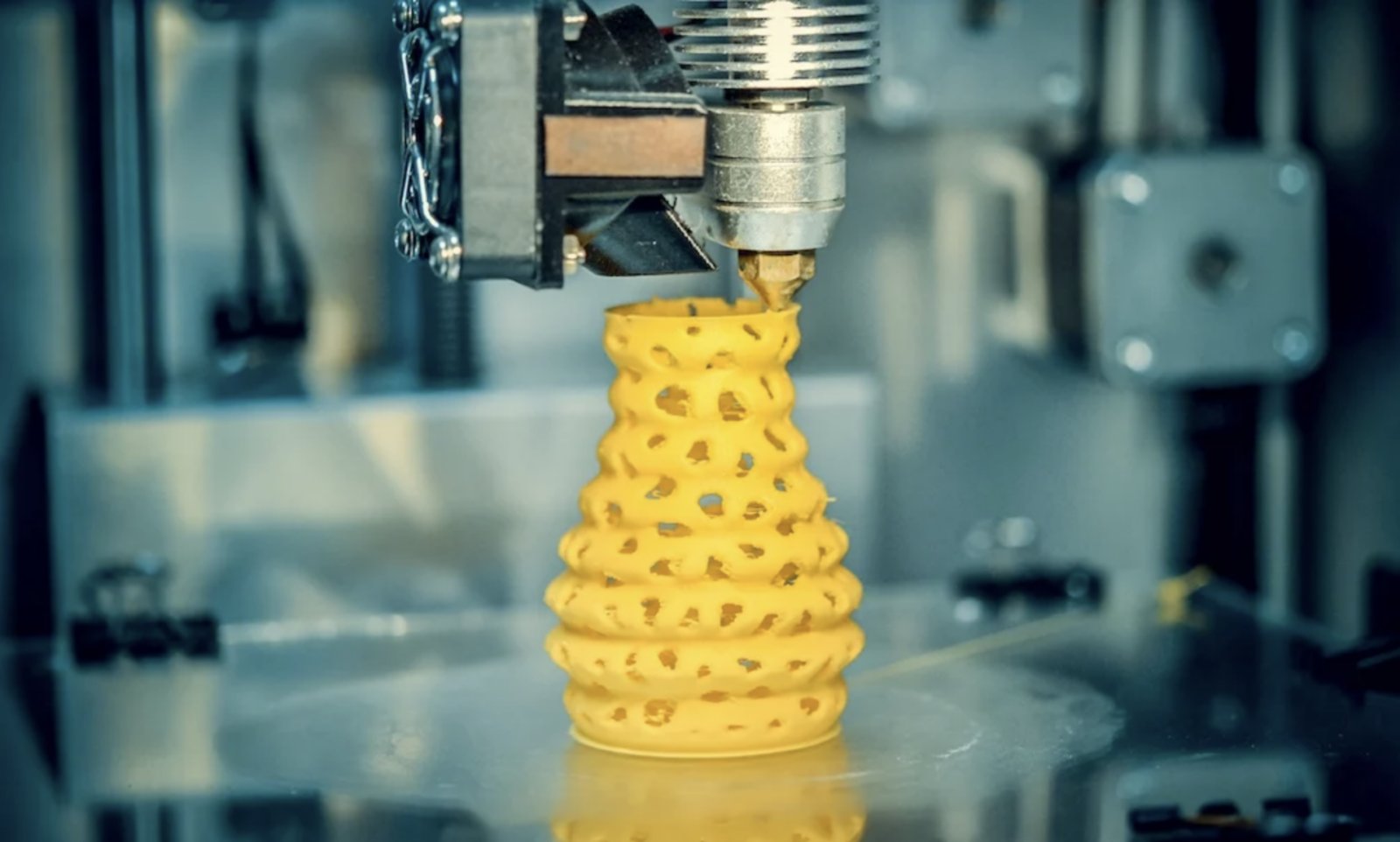
With 3D printing constantly evolving, selecting an ideal filament is vital in producing visually appealing prints with maximum quality and detail. Today there is now an expansive array of filament available, catering to beginners, hobbyists and professionals – perfect for prototyping purposes as well as decorative art pieces – making your choice matter with regards to producing superior prints. This guide explores some top 3D printer filaments such as Geeetech PLA filament.
LOCAL NEWS: 100 best places to work and live in Arizona for 2025
INDUSTRY INSIGHTS: Want more news like this? Get our free newsletter here
Why Filament Choice Matters
Filaments serve as “ink” in 3D printers and their quality directly impacts its outcomes. You should carefully consider your requirements when choosing which filament meets them for ease of use, strength, flexibility and finish when selecting your filament of choice. With many varieties like standard PLA filaments as well as specialty blends such as silk or wood-like filaments available from Geeetech – an industry veteran – providing reliable materials is of utmost importance!
PLA Filament: The Beginner’s Choice
Polylactic Acid (PLA) filament has become the material of choice among 3D printing enthusiasts for good reason. Crafted from renewable resources like cornstarch or sugarcane, PLA is eco-friendly and biodegradable – meaning less environmental impact for this eco-friendly material. Furthermore, printing with PLA requires no heated bed setup – an ideal material for beginners looking to start 3D printing! Geeetech stands out as an outstanding example offering seamless printing experience without clog issues, vibrant color options like high speed PLA, luminous PLA and silk PLA – perfect for beginners!
PLA is ideal for decorative objects, prototypes and low-stress applications like desk toys or cosplay props due to its low warping tendency and absence of toxic fumes during printing. As this material doesn’t hold up as well in high temperatures or mechanical stress environments, functional parts should not be created from PLA. Geeetech silk PLA has an exquisite glossy surface perfect for artistic endeavors while their Glow-In-The Dark PLA can add unique visuals for unique designs.
Specialty Filaments to Create Unique Prints For those seeking to push their creative limits further, specialty filaments provide endless opportunities. Geeetech’s wood PLA filament is made from real wood fibers, giving prints a natural wood grain texture when printed at temperatures beginning from 190degC; simply adjust print temperature (starting from 200degC) for desired shade variations emulating wood grain patterns.
PETG: The Versatile Middle Ground
PETG filament provides the ideal combination of user friendliness and durability, making it the go-to material choice for projects like phone cases or mechanical components that demand durability without compromise. Combining user friendliness of PLA with strength and flexibility of ABS makes PETG suitable for decorative as well functional prints alike – Geeetech PETG filament stands out by being reliable with most FDM 3D printers for optimal layer adhesion as well as UV resistance – making Geeetech’s PETG a versatile middle ground filament option that makes Geeetech’s PETG an excellent middle ground filament choice that Geeetech makes available across projects like phone cases or mechanical components!
PETG printing requires slightly higher temperatures (between 220-250degC and 60-80degC for optimal results) as well as a heated bed temperature range between 60 and 80degC for the best results, along with heated bed temperatures ranging between 60 and 80degC for best results. PETG prints are an ideal option when outdoor conditions or moderate stress is present; especially capable of withstanding outdoor environments or stress levels; calibration is crucial as uncalibrated PETG prints may string. With long-lasting prints in 2025!
ABS Filaments for Functional Prints
Acrylonitrile Butadiene Styrene (ABS) filament is an extremely robust filament designed for functional prints, such as mechanical parts, outdoor applications or any item needing heat resistance such as automotive components. With an increased melting point than PLA filament but needing bed temperatures between 90 and 110degC as well as adequate ventilation due to strong fumes; Geeetech ABS filament has earned praise for producing consistent quality prints over an extended period of time when used.
ABS can be challenging for beginners due to its tendency for warping and higher printing temperatures (230-260degC), yet with proper bed adhesion techniques – liquid adhesive or PEI plate for instance – users can create professional-looking prints that withstand wear and tear – thus making ABS one of the top choices today.
Tips for Choosing and Using Filaments
To achieve optimal results, it is best to match the filament to your project needs. Beginners might find PLA easier to work with due to its vibrant finishes while more robust PETG or ABS may be suitable depending on its intended use case. Be sure to also verify compatibility of 1.75mm filaments on desktop FDM printers such as Geeetech’s I3 Pro B. Geeetech’s PLA requires temperatures of 50-60degC for bed temperatures and 180-200degC for extrusion temperatures; when calibrating slicer settings prior to printing begins, starting out with these settings is recommended in order to optimize bed and extrusion temperatures correctly; we advise starting off by setting both temperatures at 50-60degC for bed temperature and 180-200degC for extrusion temperature – to achieve best results when calibrating slicer settings to minimize issues related to layer adhesion/clogging issues/clogging issues/clogging issues when printing 1.75mm filament.
When calibrating slicer settings in terms of both temperature settings, recommended temperatures would work optimally. Adjust slicer settings accordingly in order to prevent issues caused by poor layer adhesion issues/clogging issues and set the extrusion temperature accordingly – 180-200degC is optimal for Geeetech PLA filament. Calibrated slicer settings should be optimized (50-60degC bed temperatures and extrusion temperatures needed by 1.75mm filament printing 1.75mm prints out). Geeetech recommends calibrating manually before printing with Geeetech PLA, using their I3 Pro B printer compatible desktop FDM settings when using their 1.75mm extrusion temperature range and 180-200degC temperature range in printing mode when used while calibrating slicer settings should also be recommended when calibrated manually (When printing at 1.75 & 180+200degC + 180degC + 200degC), calibrated slicer settings were utilized c.
Proper storage of filaments is of equal importance. Hygroscopic filaments such as PLA and PETG absorb moisture, leading to printing issues; to maintain quality use a filament dryer or vacuum bag. If experimenting with specialty filaments for unique effects first test small prints to optimize settings.
Conclusion
By 2025, the best 3D printer filament offer an optimal balance between accessibility, durability, and creativity. PLA is often preferred by beginners looking for decorative prints; PETG and ABS cater more towards functional parts; specialty filaments like wood, silk and glow-in-the-dark PLA add unique touches to creative projects; Geeetech wood filaments bring any project alive while standard PLA and innovative blends produce superior 3D prints if used appropriately; by selecting appropriate filaments and optimizing printer settings you can produce stunning 3D prints!