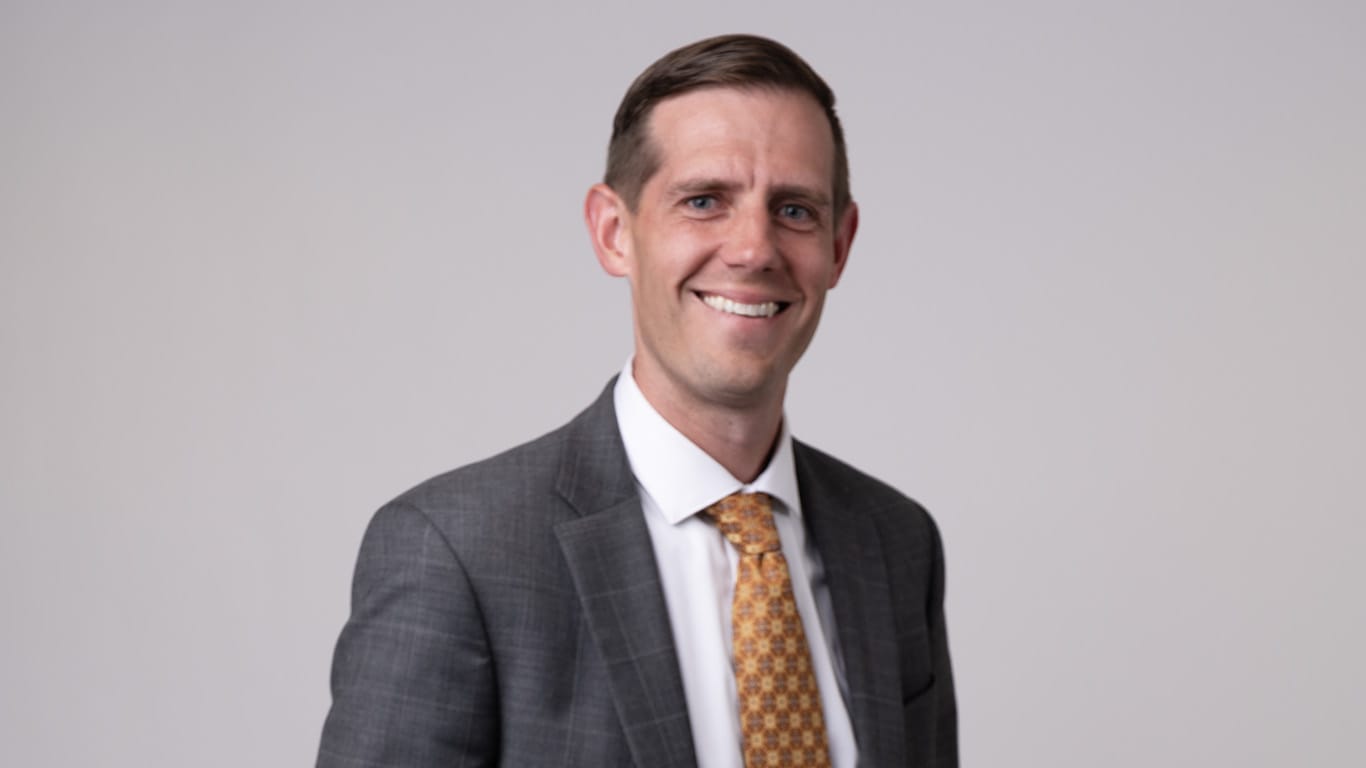
Every year, people across the world test their mettle in Ironman triathlons. Each race consists of three sections — a 2.4-mile swim, 112-mile bike ride and 26.2-mile run — and earning the right to be called an Ironman is considered by many to be the crowning achievement for an endurance athlete. Taylor Earl, managing partner at Earl & Curley, is among the few who have conquered the 140.6-mile gauntlet. AZRE magazine sat down with Earl to learn more about his legal practice, how developers can set themselves up for success and how the Ironman mindset helps him professionally.
This interview originally appeared on the AZ Big Podcast with Michael & Amy. The following responses have been edited for clarity and length.
AZRE: For those who don’t know, what does land use and zoning work entail?
Taylor Earl: If a developer sees a piece of dirt and wants to put apartments there, it’s not as simple as getting a building permit. That land may only be allowed to have one home on it, so you have to go to the municipality and ask for permission. That means working with the planning department, city council and neighbors. I tell people I’m really a land development consultant. I do things people consider lawyerly like draft contracts, but I usually don’t go to court.
AZRE: Is Arizona’s land use and zoning environment difficult to work in?
Taylor Earl: Our firm works exclusively in Arizona, and in many ways, this state is pro-development. We see ourselves as a relatively young place with lots of opportunity, and we don’t have the same regulatory issues that California has. A project that takes two years here might take five in California. Even here, people get development fatigue, but I think there’s a general understanding that it’s good to grow.
READ MORE: Halo Vista will create a ‘city within a city’ in TSMC’s backyard
GET THE LATEST NEWS: Subscribe for free to get AZ Big Media’s newsletter
AZRE: What can developers do to help make the process go smoothly?
Taylor Earl: Candidly, we’ve found that having early conversations with decision makers to be the most helpful. That doesn’t mean only talking with elected officials — city staff are the first people you meet with and need to get buy in from. They’re the ones who will make a recommendation in most zoning cases.
We meet everyone and tell them what we’re proposing and ask if it’s something they’d support. The goal isn’t to get a hard commitment from them but to try to understand if they have any concerns or if there are groups they’d like us to talk to. Getting as many data points early serves as a guide and helps us understand if a deal is possible before we get too deep into it.
AZRE: You’re an Ironman triathlete. Did you learn any lessons through the training process that have been useful for your career?
Taylor Earl: When you’re on a long training run, your body’s telling you, ‘I’d really rather be done,’ but you know what you need to do. In an Ironman Triathlon, you do all this mileage before running a marathon at the end. It’s a long slog, but you have to turn the part of your brain off that’s telling you how great it’d be to stop and just get it done. It’s not that dissimilar to when I’m trying to get something out to a client and it’s 1 a.m. Sometimes you just have to stay in the trenches because the deal is important to the client. And at the end of the day, we’re a service industry, and people need to feel like they’re getting good customer service.