Every investment has a moment after which it can’t easily be undone. Before the money moves, a deal can still be renegotiated, restructured or abandoned. Afterward, it belongs to the balance sheet, along with whatever problems came with it.
Aldrew Crowe, the founder and chief executive of BPE Air, has spent much of the past six years making decisions that hinge on that moment. As the company has expanded across charter, aircraft transactions, leasing, aircraft management, maintenance coordination, training and acquisitions, Crowe has relied on a set of questions he works through before committing to a substantial opportunity. He doesn’t treat them as a formula, and they don’t spit out automatic answers. Their job is to make sure the important things are understood before the capital goes out.
“I look at what we are actually buying, not just the asking price,” Crowe said.
Here is how the framework works in practice.
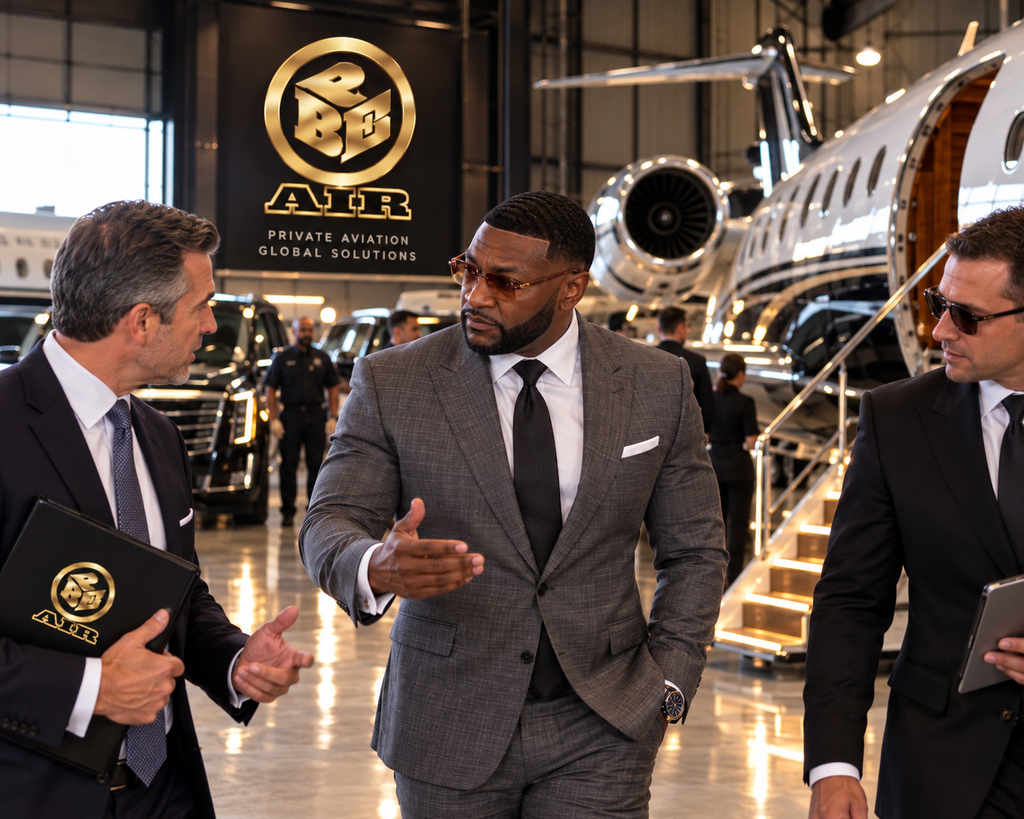
1. What exactly is being acquired or built?
This one sounds too obvious to need asking, which is exactly why it gets skipped. Deals tend to be described in broad strokes, as a company, a fleet, or a market. Crowe wants the inventory. Which assets come with it? Which certificates, licenses and contracts? Which customer relationships? Is the value in the equipment, in regulatory standing, in the people, or in the name? Two businesses with the same price tag can contain very different things, and the only way to know which one is on the table is to look underneath the label.
2. What are the economics?
Next comes the cost, what the opportunity can reasonably produce, and the part that most often surprises buyers, which is the capital it will need after closing. Aircraft need maintenance and sometimes upgrades. Acquired companies may need new systems, new hires or working capital before they can grow. Crowe wants the full cost of ownership in view rather than just the price of entry, because a deal that looks cheap at signing can get expensive a year later.
3. What liabilities come with it?
Every acquisition carries obligations, and some of them surface only with careful digging, from contracts and debt to legal exposure, deferred maintenance or regulatory problems. In aviation, where compliance and safety records carry enormous weight, Crowe looks for what might be hidden as hard as he looks at what is being advertised. A liability found before closing gives a buyer leverage. One found afterward is just a problem, and usually an expensive one.
4. Who understands the business?
Assets don’t run themselves. Someone has to operate the business, keep the aircraft maintained, look after clients and stay on the right side of regulators. Crowe wants to know whether experienced people come with the opportunity, whether key staff will stay, and, if they won’t, whether BPE Air has the expertise to step in. Strong assets with no one capable of running them are worth considerably less than they appear on paper.
5. Does it fit the larger strategy?
BPE Air is built around connected parts of the aviation industry, and Crowe judges opportunities by what they add to that whole. Does the deal strengthen something the company already does, or create a logical new capability? Does it extend the company’s reach, bring in recurring revenue or fill a gap? He would rather pass on a good business that doesn’t belong than take on one that pulls the company off course, however attractive it looks in isolation.
6. What happens if the plan does not work?
Every investment rests on assumptions, and some of them will prove wrong. So Crowe asks what failure would look like in practice. Could the asset be sold? Could the business be restructured? How much of the investment is genuinely at risk, and could a loss spill over into other parts of the company? He doesn’t expect every plan to work. He wants to know the cost if one doesn’t, and to be comfortable with that cost before he signs.
7. Will it be worth owning in ten years?
The last question is the most owner-minded of the seven. Because Crowe holds 100% of BPE Air, he thinks about decisions in terms of long-term enterprise value. He asks whether a deal will create something worth owning five or ten years from now. A quick gain that leaves the company no stronger interests him less than a slower one that builds a lasting capability.
For Crowe, long-term value also includes what a stronger company makes possible for other people. One of his central purposes is creating opportunities for women, children and youth from less fortunate backgrounds to become pilots. A business that is still growing a decade from now is far better placed to open that door than one that chased a quick return.
Why Aldrew Crowe Keeps Asking the Same Questions
None of the seven guarantees a good outcome. Markets change, and careful decisions still disappoint. What the framework does is drag the important issues into the open while there is still time to act on them.
It also brings some discipline to a growing company, where opportunities can arrive faster than anyone can evaluate them properly. A consistent set of questions slows things down just enough to keep enthusiasm from running ahead of the analysis. As Crowe put it, “My job is not to know every answer. My job is to make sure we’re asking the right questions.”
There is a quieter benefit as well. When the same questions get asked every time, the people around Crowe learn what will be expected of them. Someone bringing a deal forward can prepare answers before the meeting, and the hard issues get dealt with at the start rather than halfway through. Over time, the questions stop being one person’s habit and become part of how the organization thinks.
The order matters, too. The first four questions are about understanding what is actually on the table. Only after that does the conversation turn to fit, downside and long-term value. Asking in that sequence keeps a team from falling in love with a deal’s strategic story before anyone has checked what the business really contains.
Aldrew Crowe’s Framework Outside Aviation
Little of this is specific to aircraft. A restaurant owner considering a second location, a software founder weighing an acquisition or a manufacturer pricing new equipment could work through the same list and come away with a clearer picture of what they are signing up for.
That is part of why the approach is worth a closer look. It doesn’t depend on instinct, and it doesn’t promise that every deal will work. It is a way of asking the right things in the right order before the money moves, so that when a deal does go wrong, it isn’t for lack of looking.