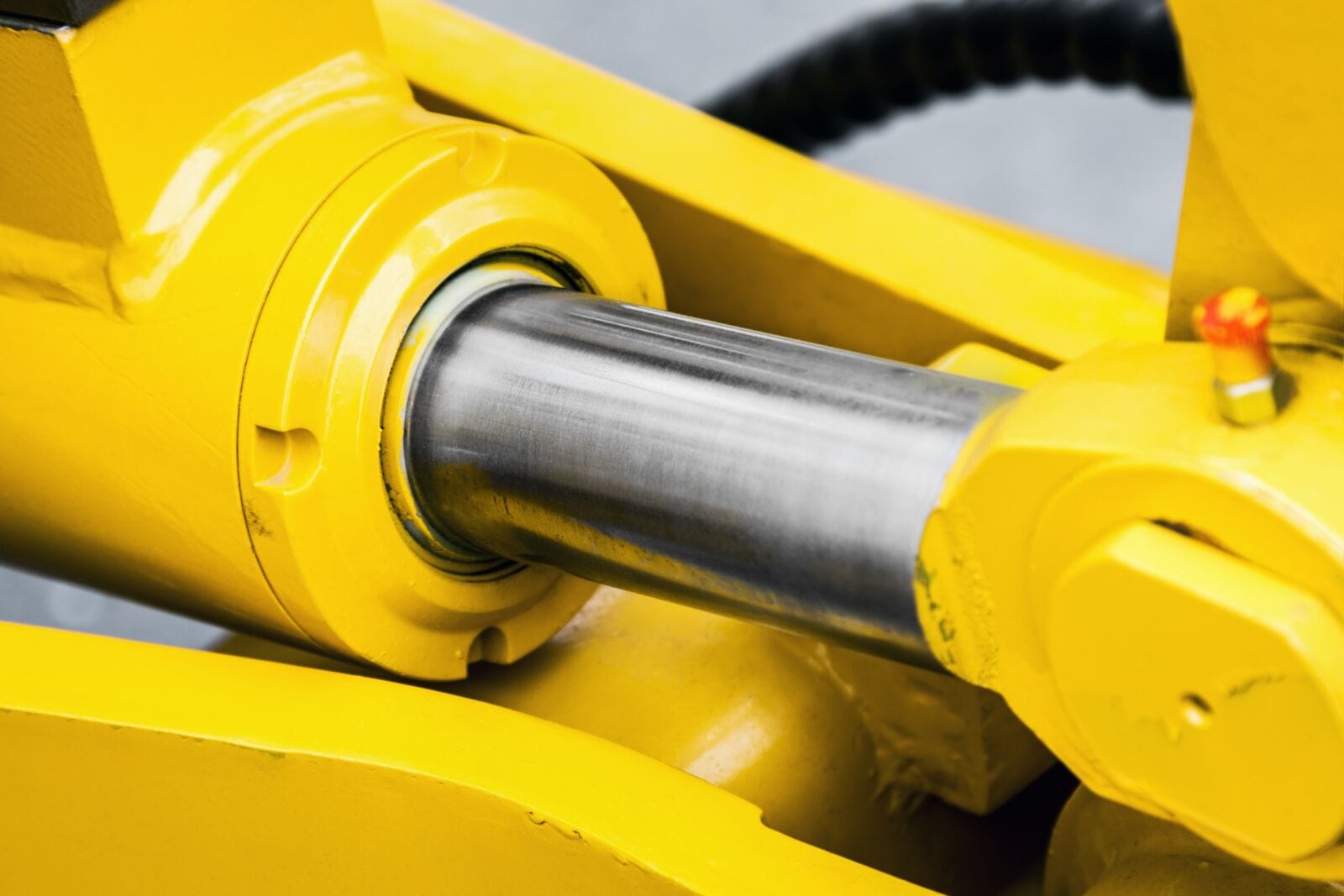
Hydraulic power units keep industrial machinery, construction equipment, and workshop tools running at full capacity. They’re not maintenance-free, though. Pressure drops, fluid leaks, and pump failures show up regularly in both commercial and DIY settings. Getting familiar with the common hydraulic power unit problems and how to prevent them isn’t just useful; it’s the difference between a system that lasts decades and one that fails at the worst possible moment. The sections below dig into the root causes of failure and the maintenance habits that stop them before they start.
Common Failures in Hydraulic Power Units and Their Root Causes
Hydraulic systems fail for predictable reasons. Most of those reasons trace back to neglected components or contaminated fluid. A compact hydraulic pump operates under significant mechanical stress, so even minor wear or fluid quality issues can cascade into serious performance problems if you don’t catch them early. Whether you run a shop press, a log splitter, or a commercial lift system, the failure modes tend to follow a consistent pattern.
Fluid contamination, mechanical wear, and pressure imbalances account for the majority of unplanned system failures across hydraulic systems of all sizes. Here’s the thing: most failures don’t happen overnight. They develop slowly through repeated stress cycles, marginal fluid conditions, and infrequent inspection routines. The sooner you identify a warning sign, the less damage you’ll deal with when it’s time to repair or replace a component. The two most common failure categories are pump degradation and seal-related issues, each with its own set of causes and warning signs worth knowing.
Pump Degradation and Fluid Contamination Issues
Pump degradation is one of the most common and costly problems in any hydraulic system; contaminated fluid is usually the main culprit. Hydraulic fluid carries microscopic particles, metal shavings from worn components, debris from seals, and airborne dust that enters through loose fittings or a poorly sealed reservoir. Over time, these particles circulate through the pump, scoring internal surfaces and reducing volumetric output. You’ll notice the symptoms gradually: slower actuator movement, a rise in operating temperature, or an unusual whine from the pump motor. Left unaddressed, these signs escalate into full pump failure.
Water contamination is equally destructive; moisture enters hydraulic fluid through condensation inside the reservoir, especially in environments with wide temperature swings. Even a small percentage of water in the fluid causes oxidation of internal metal surfaces, breaks down the fluid’s lubricating properties, and promotes bacterial growth in the tank. If your hydraulic fluid looks milky or has a cloudy appearance, water contamination is almost certainly the cause. Drain the system immediately, flush the reservoir, and replace the fluid with fresh, properly rated hydraulic oil. Then pair that with a thorough inspection of the pump for early wear damage before you restart the system.
Seal Leaks and Pressure Relief Valve Malfunctions
Seal leaks are easy to overlook in the early stages. They’re among the most disruptive problems a hydraulic system can develop. Seals degrade from heat, pressure cycling, chemical incompatibility with the hydraulic fluid, and simple age. A leaking seal doesn’t just create a mess; it drops system pressure, reduces actuator force, and allows contaminants to enter the circuit. Internal leaks are harder to spot than external ones because there’s no visible fluid loss, but the symptom’s the same: the system loses force or speed without any obvious explanation.
Pressure relief valve malfunctions create a different category of problem. Think of the relief valve as your system’s safety mechanism; it diverts flow when pressure exceeds a set threshold. A valve that sticks open bleeds pressure constantly, leaving the system unable to reach operating pressure. A valve that sticks closed creates a dangerous over-pressure condition that can rupture hoses, damage cylinders, or blow out seals. Both failure modes often stem from contamination (a small particle lodged in the valve seat is enough to prevent it from seating or lifting correctly). Regular testing of relief valve set points and visual inspection of the valve body for external leaks are straightforward steps that prevent both failure modes from surprising you during operation.
Preventive Maintenance Strategies for Hydraulic Systems
Preventing common hydraulic power unit problems from becoming costly repairs comes down to consistency. Most catastrophic hydraulic failures are traceable to a skipped maintenance interval, a delayed fluid change, or an ignored early warning sign. A structured maintenance program doesn’t need to be elaborate. But it does need to be followed on schedule. The two areas that deliver the highest return on your maintenance effort are fluid quality management and a disciplined inspection routine. Get those two right, and you’ll extend component life considerably while cutting unplanned system failures.
Fluid Quality Management and Filtration
Hydraulic fluid is the lifeblood of the entire system; its condition directly determines how long your components last. Start by selecting the fluid viscosity grade your system’s manufacturer specifies (using the wrong viscosity causes either excessive heat buildup from thin fluid or sluggish response from fluid that’s too thick). Test fluid condition regularly using a simple visual check: clear, amber-colored fluid is healthy; dark, cloudy, or metallic-smelling fluid needs immediate replacement. For systems under heavy or continuous use, laboratory fluid analysis provides a more detailed picture of particle counts, water content, and additive depletion.
Filtration is equally important. Install filters at the return line and, where the system design allows, at the pressure line as well. Check filter condition on the schedule your manufacturer recommends (typically every 500 to 1,000 hours of operation, though high-contamination environments may require more frequent checks). A clogged filter bypasses flow around the filter element, defeating its purpose entirely. Replace filter elements before they reach bypass pressure, not after. Also, pay attention to breather filters on the reservoir; these prevent airborne contaminants from entering through the air vent as fluid levels fluctuate during operation.
Regular Inspections and Component Replacement Schedules
A consistent inspection routine catches problems while they’re still manageable. Walk through the system at the start of each shift or workday and look for external leaks around hose fittings, cylinder rods, and valve bodies. Check the fluid level in the reservoir and top it off only with the correct grade of fluid (never mix different fluid types or add water-contaminated fluid to a clean system). Listen for changes in pump noise: a developing cavitation problem produces a distinct rattling or grinding sound that differs from the normal hum of a healthy pump.
And build a component replacement schedule based on manufacturer life ratings and your system’s actual operating hours. Seals, hoses, and filter elements all have finite service lives regardless of whether they show visible damage. Replace hoses every four to six years as a baseline; sooner if they show cracking, stiffness, or abrasion marks. Track pump hours and plan for a full pump inspection or replacement at the interval your manufacturer recommends. A log that records fluid changes, filter replacements, and any unusual observations during daily checks gives you the data you need to spot developing trends before they become failures.
Conclusion
Hydraulic power unit failures follow predictable patterns. Most of them are preventable with the right maintenance habits. Pump degradation, fluid contamination, seal leaks, and pressure relief valve issues account for the bulk of unplanned system failures, but none of these problems have to catch you off guard. Managing fluid quality, staying on top of filter replacements, and following a structured inspection schedule are the disciplines that separate systems that run reliably for years from those that fail repeatedly. Address the common hydraulic power unit problems and how to prevent them now, and you’ll spend far less time and money on emergency repairs down the r