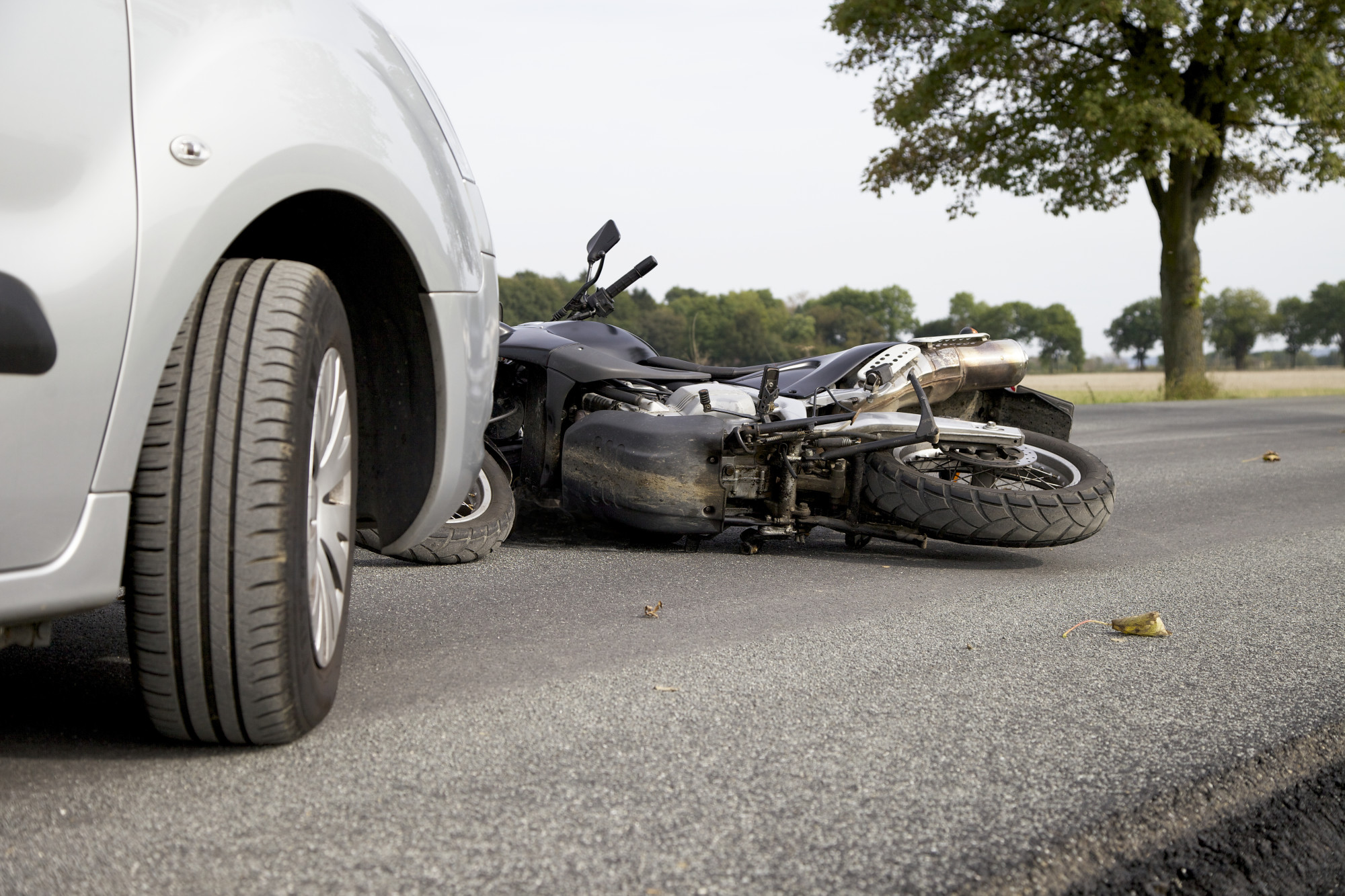
When two vehicles collide, the immediate question of who was at fault determines the path of every resulting claim. While the fundamental legal definitions of negligence—the duty to operate a vehicle reasonably—remain fixed across all incidents, the real-world application of these rules is deeply affected by the vehicles involved.
A critical analysis of fault disputes reveals a profound divergence when comparing a standard passenger car accident with a motorcycle accident. The latter introduces unique challenges related to visibility, public perception, and the nature of the resulting physical evidence and injury, which complicates the entire process of establishing liability.
The Bias Factor: Perceptions in Fault Determination
Determining fault in a motorcycle case rarely begins from a position of pure objectivity. Insurers, witnesses, and even jury members often carry inherent, subconscious biases rooted in the “risky rider” stereotype, which subtly shifts the burden of proof onto the motorcyclist. Navigating this immediate perceptual hurdle requires specialized legal insight, which is why securing a skilled Shreveport motorcycle accident attorney is often the necessary first step toward achieving a fair outcome. This predisposition assumes that the rider must have been speeding, lane-splitting, or otherwise operating recklessly simply because they chose to ride a bike.
In contrast, car drivers are typically granted the default assumption of reasonable operation, placing the focus squarely on the actions of the other party. The legal strategy in a motorcycle case must, therefore, be twofold: first, proving the defendant’s negligence, and second, meticulously dismantling the implied narrative of the victim’s own inherent recklessness to secure an unbiased assessment of the facts.
MORE NEWS: Phoenix bucket list: 25 things you must do
INDUSTRY INSIGHTS: Want more news like this? Get our free newsletter here
Evidence Disparity: Physical Proof vs. Impact Narrative
The physical evidence available after a collision differs starkly depending on the vehicles. A passenger car collision often yields diagnostic, stable physical evidence: precise paint transfers, crush damage that details the angle of impact, and modern electronic data recorders (EDRs) that provide objective information on speed, braking, and steering. In these disputes, the focus is often on retrieving and interpreting this structured data, a task for a knowledgeable Shreveport car crash advocate.
Conversely, a motorcycle accident scene is typically characterized by catastrophic, widespread damage. The motorcycle itself is structurally fractured, yielding damage patterns that are less straightforward for traditional forensic analysis. The rider is thrown, often separating the injury mechanism from the point of impact on the bike. This disparity means that car disputes rely heavily on data, while motorcycle disputes rely more on detailed witness testimony, complex physics reconstruction, and the expert interpretation of less coherent physical debris fields, making the fault determination a more interpretive and contestable exercise.
Causation and Visibility: The “Did Not See” Defense
One of the most frequent and powerful defenses employed by at-fault drivers in motorcycle disputes is the “looked but failed to see” argument. This defense hinges on the inherent difficulty of perceiving a low-profile, narrow object like a motorcycle within a driver’s typical field of vision, which is largely conditioned to spot large, wide vehicles. The motorcyclist’s small visual signature, often obscured by blind spots or roadside clutter, allows the defendant’s legal team to pivot the argument from blatant negligence to mere human perceptual limitations. This specific challenge is shared by other vulnerable road users.
For example, similar obstacles in establishing clear causation are often faced by a Shreveport pedestrian accident attorney, where the sheer lack of protective enclosure means the victim’s presence is disputed, even if they had the right-of-way. In motorcycle cases, expert testimony is critical to demonstrate that even if the rider was small, the car driver’s breach of the duty of reasonable care—such as failing to check multiple times or rushing through a turn—was the actual, quantifiable cause of the collision, irrespective of the motorcycle’s size.
Contributory vs. Comparative Negligence Doctrines
The legal framework governing shared fault significantly raises the stakes in motorcycle accident litigation compared to car disputes. In a pure contributory negligence jurisdiction, if the motorcyclist is found even one percent at fault—for instance, for riding slightly above the speed limit—they are completely barred from recovering any damages, regardless of the severity of the car driver’s negligence. Most states, however, adhere to some form of comparative negligence. This doctrine allows recovery but reduces the claimant’s award by their percentage of fault.
| Negligence Doctrine | Description | Impact on Motorcycle Accident Claims |
| Contributory | If the claimant is even 1% at fault, no damages can be recovered. | Extremely high stakes for motorcyclists.Even a minor fault assignment leads to a total loss of the claim.Makes fault disputes hyper-aggressive |
| Comparative | The claimant’s award is reduced by their percentage of fault. | Allows some recovery, but a significant reduction for catastrophic injuries.A 20% fault assignment on a multi-million dollar claim is a massive financial penalty |
| Modified Comparative (e.g., 50% Bar Rule) | Claimant can only recover if less than 50% at fault (or 51%, depending on jurisdiction). | If the fault exceeds the threshold, no recovery.Adds another critical threshold for insurance defense to target |
Conclusion
The comparative analysis of fault disputes confirms that the legal rules of the road are applied to two fundamentally different situations. While a car accident often revolves around objective data and standard interpretations of negligence, a motorcycle accident introduces a labyrinth of perceptual bias, less-reliable physical evidence, and damages of such magnitude that the legal battle over every percentage of fault becomes fierce and uncompromising. Ultimately, the vulnerability of the rider, coupled with the sheer cost of their injuries, transforms the dispute from a routine liability investigation into a complex, high-stakes defense against deeply entrenched assumptions.