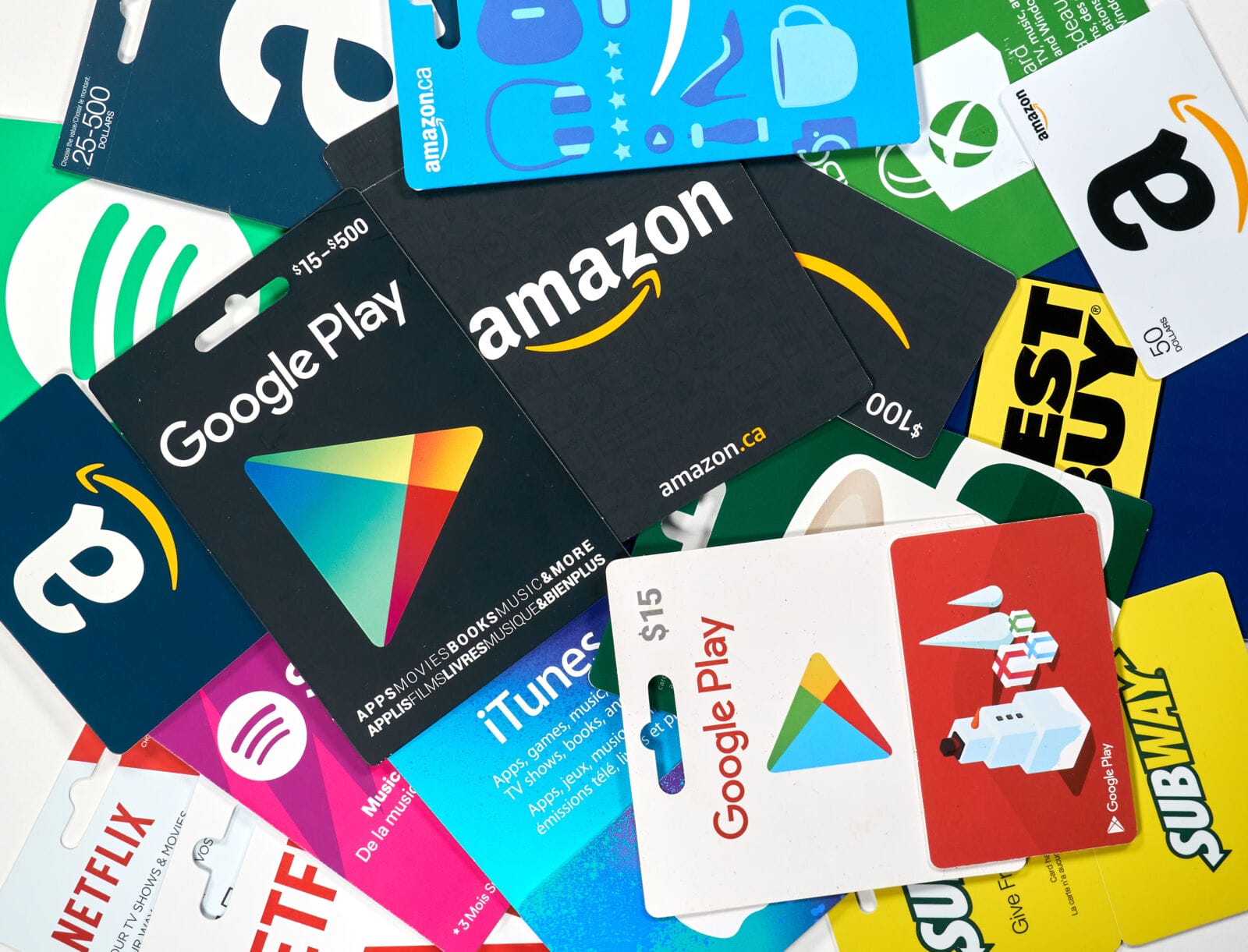
Every retailer with a gift card program carries a liability on its balance sheet that most shoppers never think about. When you buy a hundred-dollar card, the store has taken your money but has not yet delivered anything. In accounting terms that is deferred revenue, a debt payable in merchandise.
The interesting part is what happens when the debt is never called in.
Breakage is a real line item
The industry term for gift card value that is never redeemed is breakage, and it is not a rounding error. Estimates of unredeemed balances across the United States run into the billions of dollars annually, and for large retailers the amounts are material enough to disclose.
Under current revenue recognition rules, a company cannot simply book the whole unspent balance as profit on day one. It estimates what proportion of cards will never be used and recognises that portion in step with actual redemptions. A retailer expecting eight percent breakage records it gradually rather than waiting for a card to be written off.
Two constraints limit how far this can be pushed. Federal law has, since 2009, prevented most gift cards from expiring within five years of issuance and restricted inactivity fees. And many states operate unclaimed property statutes requiring unredeemed balances to be remitted to the state rather than retained, which is why the treatment varies considerably by jurisdiction.
Why the cards sit unused
The behavioural side is less technical and more familiar.
Denomination mismatch. A fifty-dollar card meets a forty-six-dollar purchase, and the remaining four dollars becomes an errand nobody runs. Across millions of transactions, small remainders account for a large share of total breakage.
Brand mismatch. Cards are frequently given by people who do not know the recipient’s shopping habits well. The result is store credit at a retailer the recipient does not use.
Salience. A card in a drawer generates no reminders. Unlike a subscription or a bill, nothing prompts action, so nothing happens. None of this is irrational; the effort required to redeem a small balance often exceeds the balance itself.
The secondary market
Where value is stranded, a market forms. Over the past decade a set of exchanges emerged to buy unwanted cards from consumers below face value and resell them, also below face value, to buyers who will actually spend them.
The economics are straightforward. A seller holding a hundred dollars at a store they never visit accepts eighty in cash. A buyer who shops there regularly pays ninety for a hundred dollars of purchasing power. The platform keeps the spread. Everyone captures a share of value that would otherwise have expired into breakage.
For shoppers the practical appeal is that this is one of the few discount mechanisms that works on purchases you were making anyway. Unlike promotional codes, which usually require a minimum spend or apply only to selected categories, discount gift cards function as ordinary payment at full catalogue pricing, and store promotions still apply on top of them.
The risks are worth naming plainly. A card is only as sound as its sourcing, because the previous holder retains the code and can spend the balance at any point. Exchanges that verify balances before listing and hold payment until delivery is confirmed reduce that exposure substantially; informal peer-to-peer sales do not. Sensible practice is to check the balance on receipt, spend promptly rather than storing the card, and treat an unusually deep discount on a high-demand brand as a warning rather than an opportunity.
MORE THINGS TO EAT: Experience AZ: 5 amazing pizza restaurants in Arizona
What it means for retailers
There is a reasonable argument that the secondary market benefits the issuing store. Breakage looks like free revenue, but a redeemed card generally brings a customer through the door and produces spending above the card value; studies of gift card behaviour commonly find that recipients spend beyond the balance. A card that circulates to someone who will use it converts a dormant liability into a transaction.
The drawer, in other words, is the least profitable place a gift card can end up, for everyone involved.