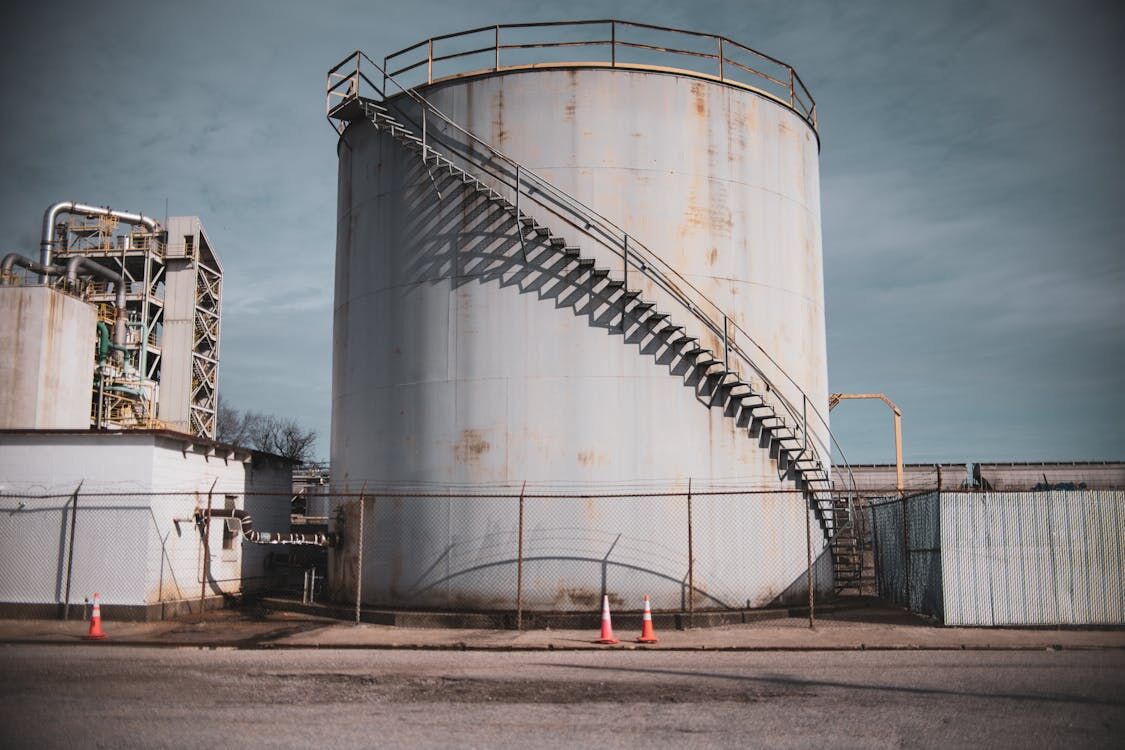
Corrosion rarely starts with a dramatic leak. It usually begins as a small defect that seems harmless. A scratched coating edge, a damp crevice, or a deposit that never fully dries can quietly grow into a repair project.
For steel tanks, the goal is simple. Keep steel separated from aggressive conditions for as long as possible. That means controlling water exposure, oxygen access, and contaminants that speed metal loss. This guide breaks down what triggers steel tank corrosion, what prevention really works, and how to keep minor defects from turning into downtime. For facilities planning industrial tank repair, the same rule applies: address small coating defects early, before corrosion spreads under the film and forces larger outages.
What “Corrosion” Really Means for Steel Tanks
Corrosion is an electrochemical process that breaks down steel over time. It needs the right mix of moisture, oxygen, and ions such as salts. In some services, microbes or specific chemicals can accelerate the reaction.
Most failures start small because the first damage happens at the surface. A coating holiday, an unsealed edge, or trapped moisture can create a local cell. That spot then corrodes faster than the surrounding steel. You may not notice it until rust staining appears at seams, bolts, or penetrations.
It helps to think in two buckets. Internal corrosion comes from the stored liquid or product, plus deposits and water chemistry. External corrosion comes from weather, condensation, splash zones, and chronic wetting near the base. Many tanks face both at the same time, which is why prevention needs a systems view.
The Most Common Corrosion Triggers That Actually Ruin Tanks
Corrosion tends to follow patterns. The same trigger shows up across many sites, climates, and services. Owners often fix the symptom and miss the source. A better approach starts with the conditions that keep steel wet or keep oxygen moving through a crevice.
Here are the triggers that most often drive real loss of service life:
- Coating holidays and mechanical damage. Scratches, impacts, and poor edge coverage expose bare steel. Damage often concentrates at lifting points, nozzles, ladders, and roof details.
- Crevices and bolted joints. Moisture sits longer in tight gaps. Oxygen levels differ between the crevice and the open surface. That difference can accelerate an attack at the joint line.
- Water chemistry and deposits. Chlorides, off-range pH, and sediment can undermine coatings. Deposits also create low-oxygen zones that drive under-deposit corrosion in tanks.
- Standing water and trapped debris near the base. Splash zones and poor drainage keep the steel wet. Organic debris holds moisture against the surface and slows drying.
Corrosion is often a design and operations problem, not a single material problem. Details, environment, and maintenance habits interact. When one part changes, the risk profile shifts.
Prevention That Works: Coatings, Surface Prep, and Inspection
The most reliable corrosion control combines three elements. You need surface preparation, the right coating or lining, and consistent inspection. If one element fails, the system fails. This is the core logic behind effective corrosion protection for steel storage tanks. Even a premium coating struggles when it sits on poor prep or sharp edges.
Owners should focus on what good specifications tend to demand. The AWWA D102 tank coating standard sets baseline expectations for coating materials, application methods, and inspection practices on steel water tanks. Many municipal and commercial projects reference it because it reduces quality variation. It also improves accountability during commissioning.
Factory-applied systems can help where consistency matters. A factory-coated bolted steel tank benefits from controlled application conditions and repeatable cure profiles. Some services use water tank epoxy lining (internal coating) to resist aggressive water chemistry. Others use glass-fused linings for long-term corrosion resistance in demanding environments.
What should you expect from a serious coating plan?
- Defined surface prep standard. Abrasive blasting level, cleanliness checks, and profile targets should be written and verified.
- Edge treatment and stripe coating. Sharp edges and weld toes need attention. Many failures start at edges that never gained a full film build.
- Documented inspection and testing. Dry film thickness checks, holiday testing where applicable, and cure verification protect the project long after handover.
Inspection should not wait for visible rust. Early detection saves money because repairs stay local. Small touch-ups often prevent a larger recoat cycle.
Extra Protection Layers: Zinc, Cathodic Protection, and “Keep It Dry” Habits
Coatings do most of the work, but add-on layers can extend service life. The value depends on exposure, criticality, and how hard the site is to inspect. These measures work best when they support a strong base coating plan.
Zinc-rich primers and galvanising as sacrificial protection
Zinc protects steel because zinc corrodes first. Zinc-rich primers and galvanising can add tolerance to minor coating damage, especially on external surfaces. Good surface prep still matters, and galvanising needs compatibility planning with topcoats.
Cathodic protection for persistent moisture zones
Cathodic protection can help where surfaces stay wet or sit in conductive environments, such as bottoms, ring-wall interfaces, and chronic wetting zones. It works best as part of an integrated plan, not a standalone fix. Design should account for coating condition, electrical continuity, and monitoring access.
Site habits that keep steel dry
Drainage and housekeeping reduce the hours steel stays wet and lower external corrosion risk. Focus on base areas, containment zones, and places where debris collects.
A few practical habits make a difference:
- Keep drainage paths open and maintain grading around the perimeter.
- Clear vegetation and organic material from splash zones and foundations.
- Avoid chronic spray from washdown systems against the same shell area.
- Fix roof leaks fast to prevent repeating wet-dry cycles on internals.
Extending Service Life: The Maintenance Rhythm That Prevents Expensive Repairs
Long tank life rarely comes from one “perfect” coating. It comes from a repeatable rhythm that finds defects early: inspect, document, fix small defects, plan larger recoats. This helps avoid emergency work.
Start with what you can see. Walk-arounds often catch early warnings. Look for rust bleed at seams, bolt-area staining, coating chalking, and wet spots near the base. Check roof penetrations, vents, and overflow areas where moisture collects.
A practical maintenance cadence can stay simple:
- Routine walk-around inspections. Check after storms, major temperature swings, or site work near the tank.
- Targeted close-up checks. Focus on seams, joints, ladders, and penetrations where mechanical damage occurs.
- Prompt touch-up repairs. Small coating repairs prevent local cells from expanding under the film.
- Periodic internal inspection planning. Interval depends on the stored product, turnover, and water quality control.
- Strategic recoat or reline decisions. Plan before widespread failure forces rushed work.
Some failure modes repeat. Corrosion under insulation (CUI) can progress with little surface evidence. Insulated tanks need moisture control, sound jacketing, and planned inspection access.
By the way, many owners bring in specialists when they want consistent QA on inspections, repairs, and long-term service planning, and some facilities use firms like Tarsco Bolted Tanks for field support on bolted tank assets where installation details and maintenance schedules directly affect corrosion risk over time.
Catching early defects helps prevent thinning, leaks, and forced shutdowns. It also keeps maintenance budgets more predictable over the life of a steel tank.