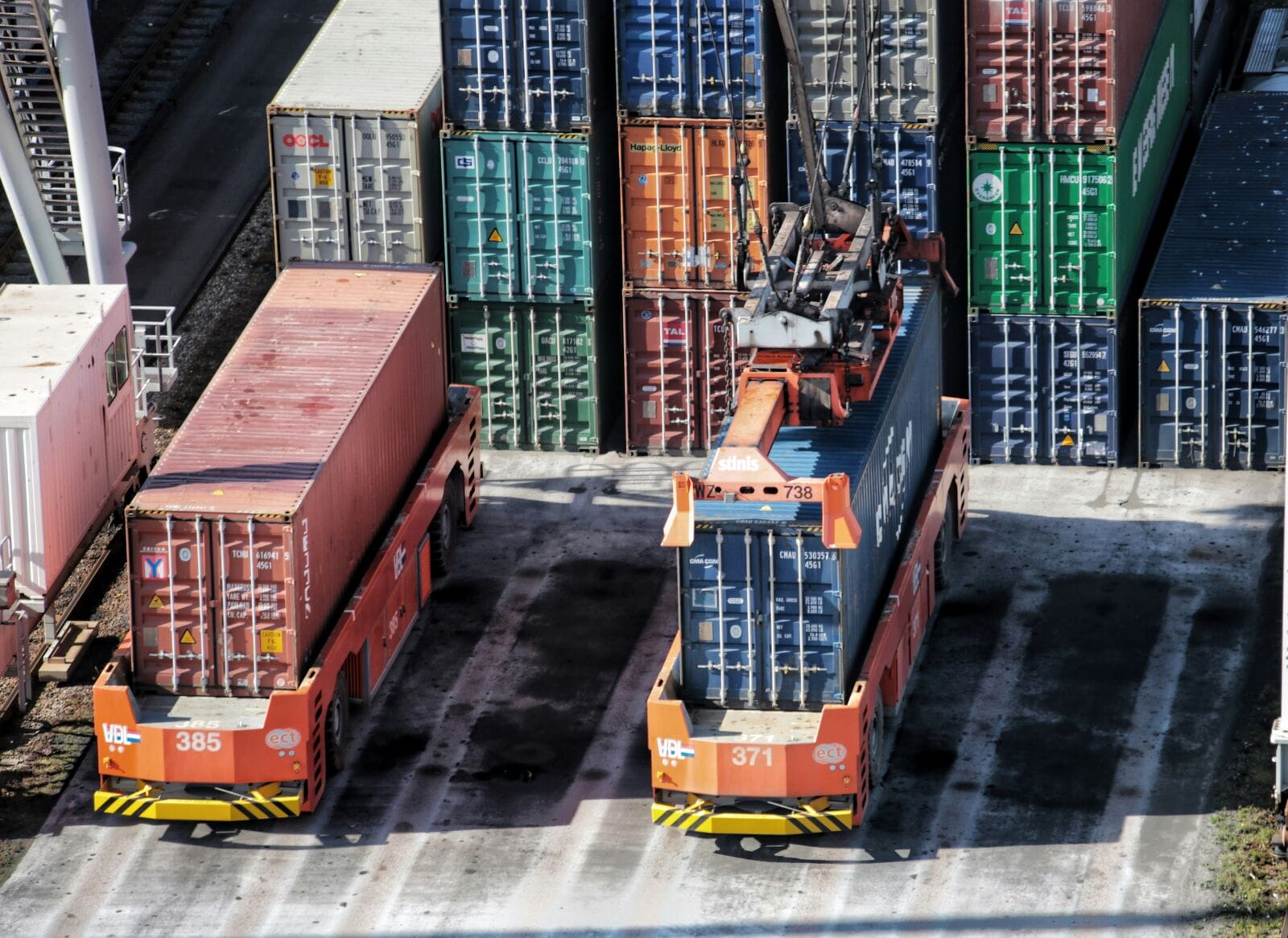
The most efficient shipping route in the world is meaningless if your cargo is stranded five miles from its final destination. Shippers often treat drayage as a simple administrative handoff, yet these short-haul moves are where hidden fees and terminal delays are most prevalent.
Intermodal shipping relies on precise coordination between multiple transportation modes. Containers move among ships, trucks, and rail networks, so every step must remain aligned with scheduling and documentation requirements. Small oversights in drayage planning can quickly ripple through the rest of the supply chain.
Avoiding common mistakes can help shippers maintain efficiency and control costs. Understanding the most common issues enables businesses to develop stronger logistics strategies and keep freight moving reliably.
Choosing the Right Drayage Carrier
Selecting a reliable carrier is one of the most important steps in successful drayage operations. Experienced carriers understand port procedures, terminal congestion patterns, and documentation requirements. Shippers evaluating potential partners often look for resources that help them find drayage carriers here when comparing logistics providers and intermodal service networks.
Carrier experience matters because drayage involves strict timelines and coordination. A knowledgeable partner helps prevent delays caused by miscommunication or operational errors.
When evaluating drayage providers, shippers often consider factors such as:
- Terminal experience
- Intermodal network coverage
- Equipment availability
- Port compliance knowledge
- Communication reliability
Choosing the right partner reduces the risk of disruptions during critical shipping stages.
Ignoring Port and Terminal Requirements
Ports and rail terminals operate under strict operational guidelines. Each facility may have its own appointment systems, gate hours, and documentation procedures.
Failing to understand those requirements can lead to missed appointments or delayed container pickups. Shippers benefit from confirming terminal policies before scheduling drayage moves.
Important terminal considerations include:
- Gate operating hours
- Appointment booking systems
- Container documentation rules
- Chassis availability
- Security clearance requirements
Understanding terminal procedures helps shipments move smoothly between transportation modes.
Poor Coordination Between Shipping Modes
Drayage sits at the intersection of multiple transportation networks. Containers often transfer from ships to trucks and then to rail lines or warehouses.
Lack of coordination between those stages can lead to delays or idle cargo. Clear scheduling communication between logistics teams and carriers helps prevent costly misalignment.
Coordination challenges often occur when companies overlook:
- Vessel arrival schedules
- Rail departure timelines
- Warehouse receiving hours
- Driver availability
- Container release notifications
Strong communication keeps intermodal freight moving efficiently.
Overlooking Equipment and Chassis Availability
Chassis shortages have become a recurring issue in many port regions. Containers cannot be transported without the appropriate chassis, so availability must be confirmed in advance.
Failing to secure equipment can leave containers stranded at terminals. Advanced planning helps avoid unnecessary detention fees and operational delays.
Key equipment considerations include:
- Chassis supply at terminals
- Container compatibility
- Truck capacity planning
- Equipment maintenance standards
- Backup equipment availability
Equipment readiness ensures cargo can move immediately upon release.
Failing to Plan for Congestion and Delays
Port congestion, weather disruptions, and labor shortages can all affect drayage timelines. Shipping schedules often assume ideal conditions, which rarely occur in busy logistics hubs.
Building flexibility into schedules helps reduce the impact of unexpected delays. Realistic planning allows logistics teams to adjust quickly when conditions change.
Common causes of drayage delays include:
- Terminal congestion
- Weather disruptions
- Traffic conditions
- Labor slowdowns
- Documentation issues
Preparing for those factors helps maintain reliable shipping schedules.
Underestimating Documentation Requirements
Intermodal shipping requires detailed documentation to ensure containers move through each stage of the supply chain. Missing or incorrect paperwork can halt shipments at terminals or checkpoints.
Accurate documentation also helps prevent customs or compliance issues. Logistics teams should verify documentation well before containers arrive at pickup points.
Critical documentation often includes:
- Bill of lading details
- Container release forms
- Customs clearance records
- Driver identification
- Terminal appointment confirmations
Careful documentation management supports faster container movement.
Building a More Efficient Drayage Strategy
Drayage may involve short-distance transportation, but it plays a significant role within the broader logistics network. Small operational mistakes can lead to delays that affect entire supply chains.
Shippers who understand common drayage challenges can make better decisions when planning container movements. Careful carrier selection, clear communication, and proactive scheduling all contribute to smoother operations.
Many companies strengthen their logistics strategies by working with experienced providers and reliable intermodal networks. Businesses looking to improve container transportation planning often use STG Logistics to find drayage carriers, enabling shippers to connect with trusted intermodal and drayage solutions.