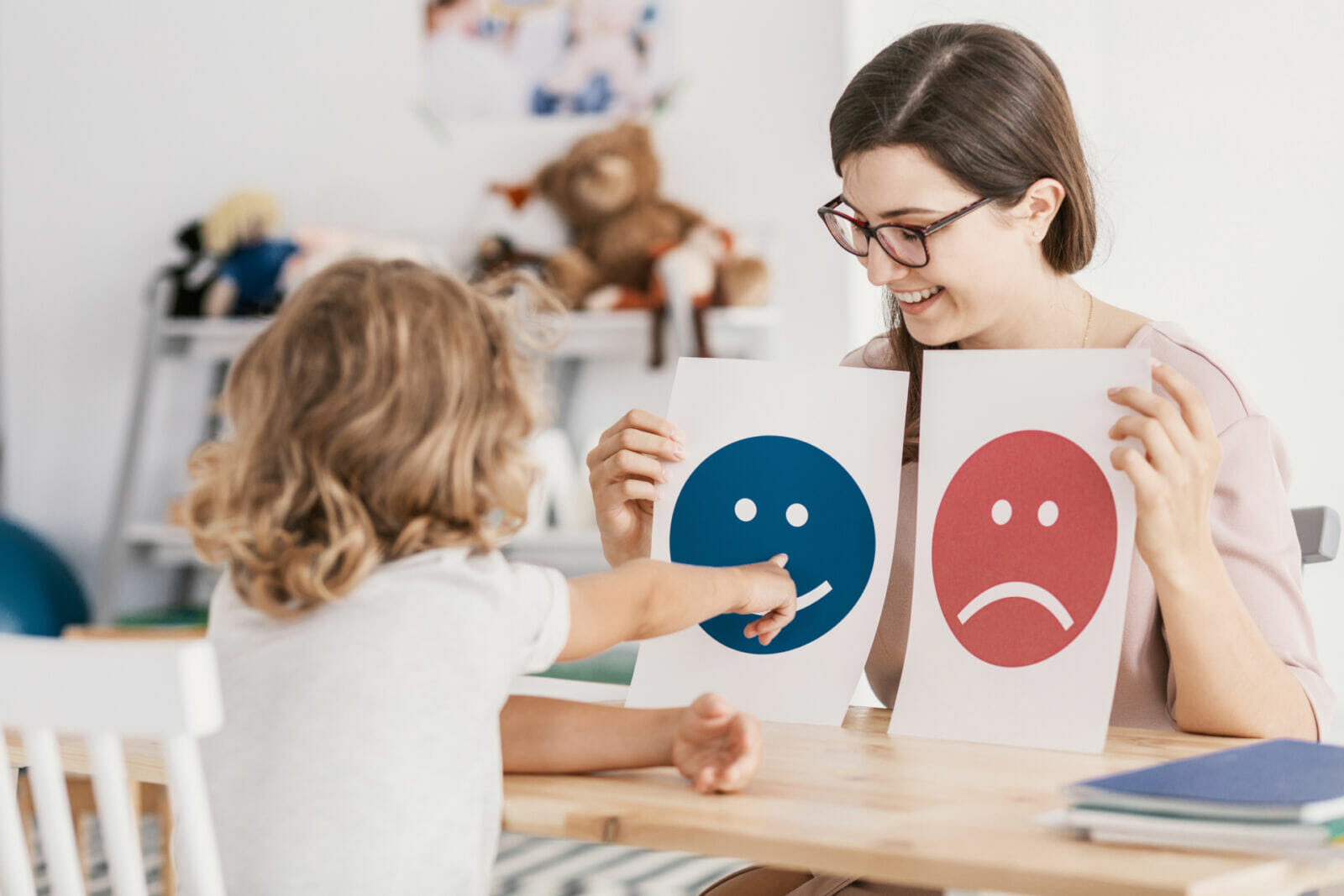
Communication impacts a child’s academic, social, and emotional development. Speech therapy, offered in a structured manner for children, helps address communication challenges. Children can learn to speak clearly and confidently with planned speech therapy sessions.
Specific exercises teach kids to communicate, thereby making it easier for them to establish rapport with both peers and adults. By providing support early through speech therapy for children, families can avert future problems and lay the foundation for a solid, secure lifelong learning. Both parents and educators are becoming increasingly aware of the usefulness of speech therapy as a means of enhancing children’s capabilities. Let’s see why this shift makes sense.
Why Early Intervention Matters
When it comes to speech therapy, the earlier the child receives the help they need, the better. It is easier to address challenges and improve before they become a habit. By seeking support at the right time, families can save children from the frustration of being misunderstood or excluded from social activities as they grow older. With sound communication skills, children can participate in group activities and classroom discussions. This initial encouragement makes way for better social connections and improved academic performance.
Key Areas Speech Therapy Addresses
The skills speech therapy helps children develop are incredibly diverse. Articulation refers to how clearly a child can pronounce words. Language development refers to comprehending and effectively using vocabulary, grammar, and sentences. Fluency targets calm, uninterrupted speech and is beneficial for kids who stutter or frequently find themselves stuck on certain words. Voice therapy is beneficial for pitch, volume, and quality, so children do not feel uncomfortable when talking (in various circumstances). Together, these areas contribute to comprehensive communication development.
Building Confidence Through Communication
Articulated speech enables kids to convey their emotions and share ideas and queries without reluctance. When children contribute in classes and participate in conversations in social situations, their confidence grows. Children become more engaged as they interact with others; they also learn through such interactions. When their self-esteem increases, children typically get better grades, make more friends, and generally find themselves participating in various activities. When children communicate well, they also develop a more amiable demeanor and attitude towards school and friends.
Social Skills and Peer Relationships
Good communication enables kids to make friends and maintain friendships. Speech therapy involves role play and turn-taking exercises. This improves children’s conversational skills, such as responding and taking turns. Being able to practice these skills in a safe space allows children to process emotions in healthy ways. Consequently, it makes participating in group activities easy. When children can express their thoughts and needs, their social connections improve.
Adaptive Strategies for Individual Needs
Speech therapy professionals evaluate the strengths and weaknesses of each child. Sessions are customized to the needs of the individual, enhancing the effectiveness of learning while allowing children to enjoy the process. Therapy includes visual aids, games, and storytelling so that children can learn with ease. Tailored activities help sustain children’s interest and engagement during the process of learning.
Long-Term Impact on Learning
Kids with solid communication skills tend to grasp lessons more easily, as well as articulate their newly acquired knowledge. Reading and writing skills also get a boost, along with the spoken language. When children can communicate well, they can easily request help and ask questions, alleviating academic pressures. Communication skills become even more important as kids progress to higher grades and encounter new challenges. Communication begins with a solid foundation and supports lifelong learning.
Empowering Children for the Future
Communication extends beyond the four corners of the classroom. Speech therapy doesn’t just address today’s issues but prepares the child for future conversations and responsibilities. Being able to express thoughts and feelings helps children maintain healthy relationships and achieve success in their chosen profession. By investing early in speech therapy, families lay the foundation for their children’s future success.
Conclusion
Speech therapy provides children with the tools required for self-expression, socialization, and academic success. The right support from an early age directly influences communication abilities in the long run. When families, educators, and therapists work together, they can help children maximize their potential and develop useful language skills, becoming confident and effective communicators over time.