When many people think about wildlife, they often picture mammals, birds, or fish. But there are small animals with no backbones that help keep our world going. They work out of sight. You can find them in forests, grasslands, home gardens, and bioactive terrariums. These animals work with the land to move nutrients, build up soil, and support the food chains that keep nature alive.
Quick Answers
- What percentage of life do they represent? Over 95% of all animal life on Earth is made up of creatures without a backbone.
- What key roles do they play? They break down waste, help flowers make seeds, improve the soil, and serve as basic food for bigger animals.
- How do soil species help plants grow? Detritivores eat old leaves and dead things, turning waste into nutrients that plants’ roots can use.
- How can you observe this process at home? Closed bioactive setups copy these same natural cycles by using clean-up crews from experts.
Keeps Soils Alive and Nutrient-Rich
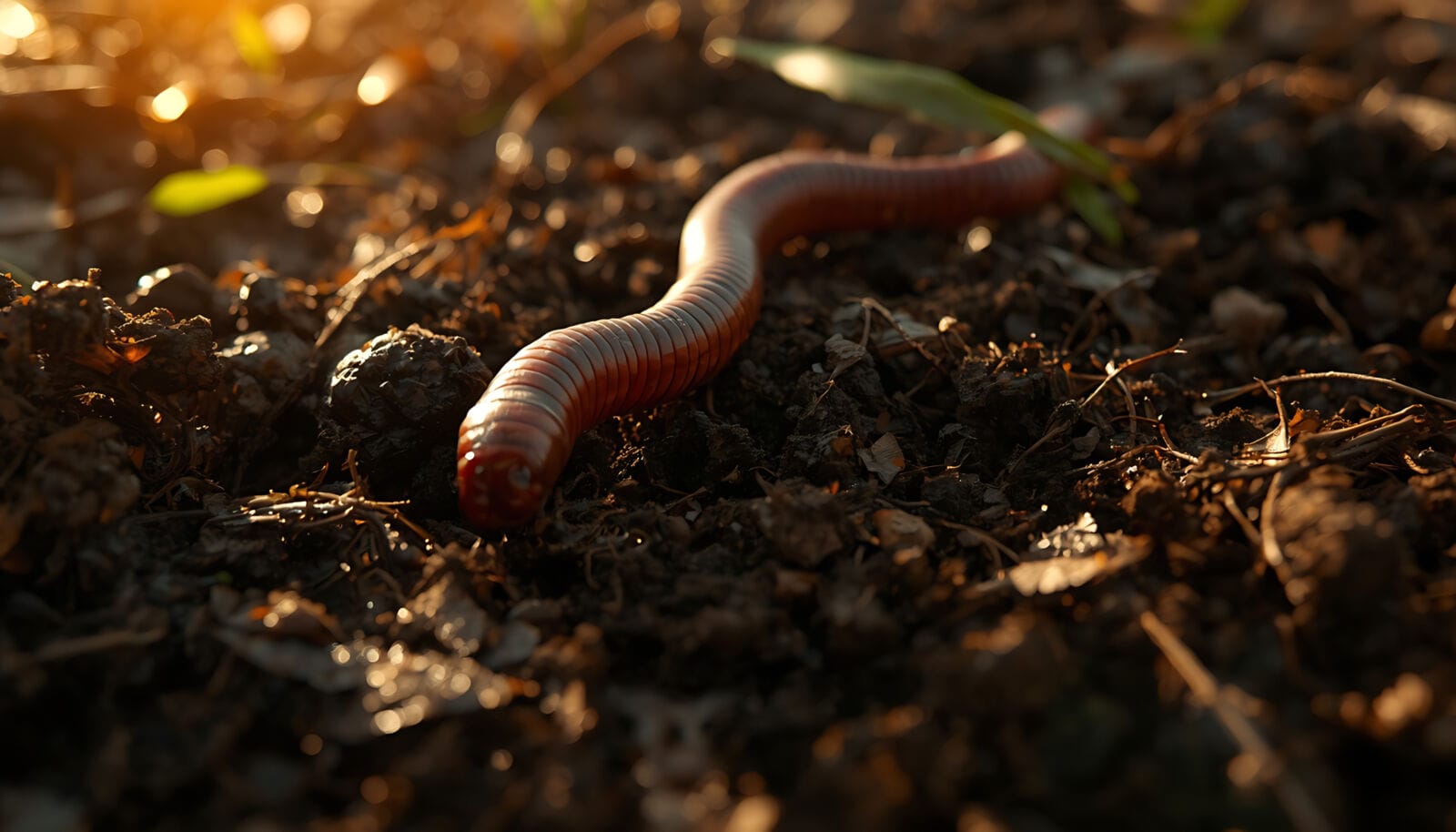
Topsoil is not just dirt. It is a living engine. There are many kinds of Invertebrates in the soil. These include isopods, springtails, earthworms, and beetles. These animals help take care of waste in nature.
When leaves fall or plants die, these creatures eat the dead stuff. As they eat leaf bits, old wood, and fungi, they break down the tissues into simple parts. When they digest and move around in the dirt, they let out nitrogen, phosphorus, and carbon back into the soil. This makes the nutrients easy for living plant roots to take in.
Without this non-stop recycling, dead plant matter would build up. This would cover new plants and take away important food from the soil. Worms and beetles also dig tunnels as they go. This helps put air into the soil, so water and air get to roots better.
Many people who keep reptiles or love plants want to make the same thing happen inside their terrariums. This trend is growing every year. If you use special clean-up bugs, you can set up small living worlds inside your tank. In these setups, isopods and springtails will take care of waste and help keep the ground in your tank clean and healthy on their own.
Essential Drivers of Pollination and Plant Reproduction
Plants need help from animals to make more of their kind. Insects that fly, like bees, butterflies, hoverflies, and beetles, go to flowers to look for something sweet. When these insects eat, bits of yellow dust from flowers get on them and end up on other flowers nearby.
This work helps more than 80% of wild flowering plants grow. It also supports about three-quarters of food crops in the world. Wild fruits, nuts, seeds, and vegetables need these visits to grow. If pollinating insects drop in number, it can hurt the mix of life, the regrowth of wild plants, and how much food people can grow.
DEEPER DIVE: Arizona has 6 of the 30 happiest cities in America
INDUSTRY INSIGHTS: Want more news like this? Get our free newsletter here
Natural Pest Management and Food Web Foundations
Besides working the soil and helping with pollination, bugs also keep the number of other animals in check. They give food to many animals that are at the top of the food chain.
- Natural Population Balance: Bugs like ladybirds, lacewings, praying mantises, and spiders that live on the ground hunt bugs that eat plants, like aphids and mites. These bugs keep the number of pests low. This helps keep plants healthy without needing to use chemicals.
- Main Food Source: Caterpillars, grubs, flies, and tiny water-dwelling baby bugs are the main food for songbirds, small frogs, little mammals, and fish that live in rivers or ponds. If the number of bugs goes down a lot, animals that eat these bugs will not get enough food and will face hunger soon after.
Frequently Asked Questions
Why are soil organisms so vital for bioactive terrariums?
Inside the enclosure, waste and mold can pile up fast. Animals like woodlice and springtails eat mold and droppings. This helps stop fungi from spreading. They also turn waste into food for live plant roots.
How do tiny organisms improve water absorption in gardens?
As soil insects and earthworms move through the dirt, they make small paths. These paths help rainwater go down into the soil instead of running away on the top. This can stop soil from washing away and help when there is little water.
What happens if an ecosystem loses its primary pollinators?
Without pollinators, many wild plants do not make seeds or fruit. This causes fewer plants for the area. It can lead to loss of home for animals that eat plants. It also means farmers get less when they grow crops.
Conclusion
Protecting biodiversity starts when people understand that even tiny creatures have big jobs to do in nature. Invertebrates help keep soil good, keep food chains strong around the world, and keep wild plants making seeds. It does not matter if they live outside in old woods or inside a bioactive home enclosure. These animals, which do not have a spine, are needed by us all to help the earth stay healthy.