Underground wastewater systems process millions of gallons of household waste every single day. Out of sight, these tanks quietly work to collect and treat everything flushed or washed down domestic drains.
Neglecting routine care turns a reliable setup into a hazardous environmental threat. Keeping tanks clean protects surrounding habitats, nearby soil, and underground freshwater reserves.
Protecting Local Groundwater Supplies
Domestic tanks hold raw sewage that gradually settles into distinct liquid and solid layers. Property owners rely on professional septic pumping services to remove thick sludge before it overflows into drain fields. Unmanaged tanks allow raw effluents to leak directly into underground aquifers. That runoff degrades nearby soil and threatens local natural springs.
Cracked tanks release untreated pathogens into surrounding earth. Soil acts as a natural filter, but high volumes of wastewater easily overwhelm natural biological barriers.
Regular cleanouts prevent deep soil from becoming saturated with harmful bacteria. Clean drain fields allow natural microbes to break down excess nutrients safely.
Preventing Contamination in Drinking Wells
Rural properties often draw drinking water from private underground wells located on the same land parcel. Failing tanks positioned too close to water sources let dangerous contaminants seep straight into well water.
Pathogens like E. coli, nitrates, and household chemical residues travel quickly through porous rock formations. Exposure to contaminated drinking supplies creates severe health risks for residents and livestock.
Scheduled maintenance prevents solids from blocking leach lines. Properly working systems filter out harmful microbes before liquid reaches clean groundwater.
Economic Growth and Infrastructure Expansion
The global septic tanks market reached $5.27 billion in 2024 and is projected to hit $7.38 billion by 2034. Rapid residential construction outside central city sewer lines drives this steady market growth across expanding suburban areas.
Growing rural communities require reliable waste management setups to keep pace with new home construction projects. Proper sanitation infrastructure protects home property values and supports clean regional development.
Neglected plumbing systems lead to costly emergency drain repairs or complete underground tank replacements down the line. Simple routine maintenance saves homeowners serious money and keeps surrounding land safe and clean.
Safeguarding Aquatic Ecosystems and Wildlife
Untreated sewage carries heavy loads of nitrogen and phosphorus directly into nearby soil layers. Unchecked nutrient runoff quickly travels into local streams, triggering massive algae growth that chokes aquatic species.
Excessive nutrient pollution harms regional waterways through several severe impacts:
- Oxygen levels crash rapidly, creating suffocating dead zones for native fish populations.
- Thick surface algae mats block natural sunlight, killing critical underwater vegetation below.
- Toxic bacterial blooms poison pets, farm animals, and wild beasts drinking from open riverbanks.
Properly managing tank sludge stops toxic elements from leaking into natural groundwater pathways. Routine cleanouts protect open lakes and streams, keeping fragile aquatic habitats clean and safe for surrounding plant and wildlife communities.
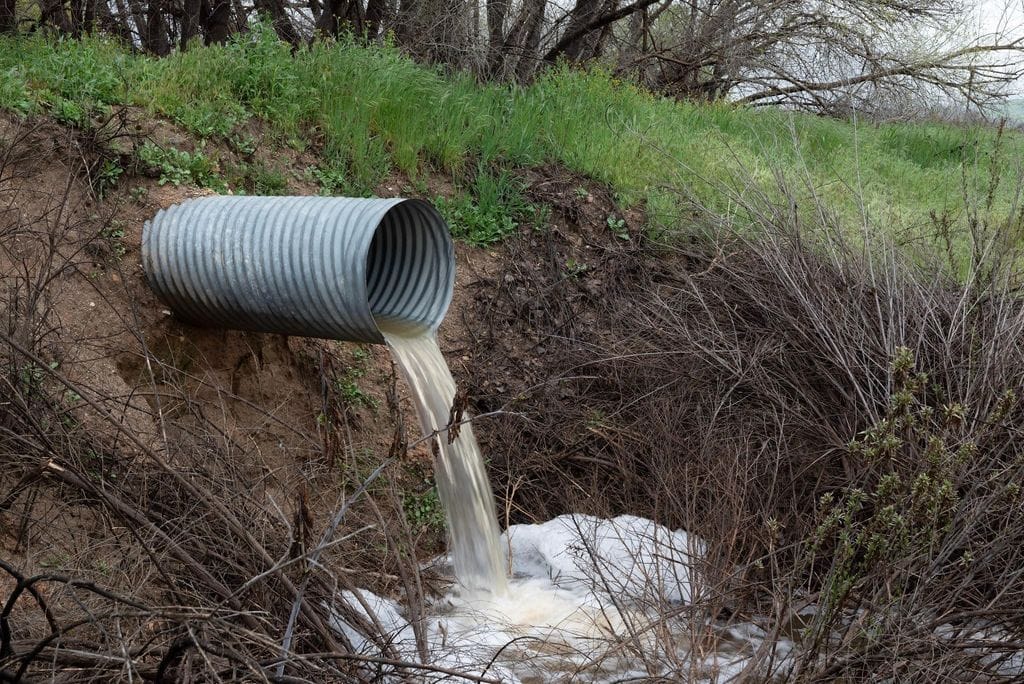
Responsible wastewater management forms the frontline of defense for local ecosystems. Routine pumping stops toxic waste from contaminating water tables and damaging natural habitats.
Taking action today protects community health and preserves local natural resources. Simple routine maintenance secures clean water and safe environments for future generations.