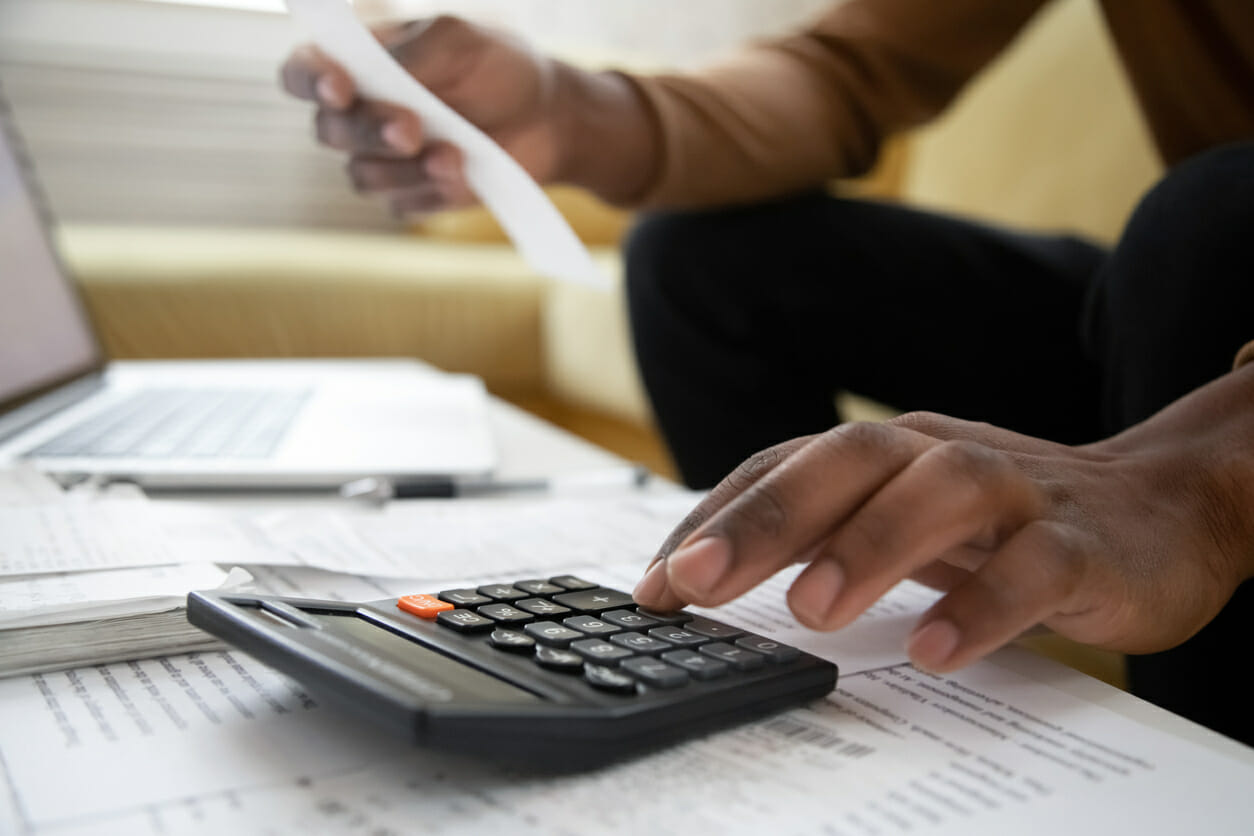
Tracking your spending sounds simple—until you actually try it. I challenged myself to document every dollar I spent for 30 days while living in Arizona. No rounding up, no guessing, no skipping days. I used a spreadsheet, an app, and a few free calculators to help me visualize my habits—and the results shocked me more than any bank statement ever could.
By the end of the month, I had completely transformed how I viewed money. And the crazy part? I didn’t make more—I just started seeing the truth behind where it was all going.
Why I Did It: The Grocery Store Meltdown
It started with a breakdown in the frozen food aisle.
I wasn’t broke. I had a decent salary, no credit card debt, and even a small emergency fund. But that day, I realized I was juggling five different subscriptions, an upcoming car insurance bill, rising rent, and somehow still wondering why I couldn’t save.
That night, I googled “how to track spending,” downloaded a budget template, bookmarked some financial tools—including free calculators for estimating loan interest and monthly budgets—and started Day 1 of my challenge.
LOCAL NEWS: 10 things you may not know are manufactured in Arizona
INDUSTRY INSIGHTS: Want more news like this? Get our free newsletter here
Tools I Used: Tech + Brutal Honesty
You don’t need anything fancy. But you do need to commit. Here’s what worked for me:
- Google Sheets: I made categories—Rent, Utilities, Groceries, Subscriptions, Eating Out, Gas, Shopping, Miscellaneous.
- A basic expense tracker app: I used it on the go, then synced with my spreadsheet each evening.
- Free calculators: These helped me estimate how small daily habits impacted my monthly total. Seeing the impact of $12 lunches x 20 days hit hard.
Week 1: Ignorance Isn’t Bliss
I thought I had a rough idea of where my money was going. I didn’t.
The first week alone:
- $94 on takeout (I swore I was only eating out “a few times” a week)
- $52 on app subscriptions (forgotten yoga app, storage, premium music plan)
- $38 impulse buys at CVS—snacks, extra face wash, cough drops “just in case”
The emotional part was realizing how often I spent to cope with boredom or stress.
Week 2: Budgeting Fatigue Sets In
By Week 2, I wanted to quit. It felt tedious. But using the calculators kept me engaged—like a game.
I used a compound savings calculator to see what saving $250/month could turn into over five years. That motivated me more than any “finance guru” advice.
Then I used a daily spending limit calculator. Based on my rent, bills, and savings goal, I should’ve only been spending $37 per day. I was spending $72.
That slapped me awake.
Week 3: The Money Detox Begins
This is when I started to shift:
- Cancelled 3 subscriptions I hadn’t opened in months
- Set a weekly grocery budget and meal prepped (shockingly effective)
- Walked instead of Ubering short distances
- Took coffee from home instead of buying a $6 iced oat latte (it hurts, but it helps)
Using a “goal calculator,” I created a 6-month savings plan. The result: I could have an $1,800 emergency cushion by summer just by cutting the waste.
Week 4: Clarity Feels Addictive
I felt lighter. I started looking forward to updating my spreadsheet. Watching my spending drop gave me a rush of control I hadn’t felt in years.
In Week 4:
- I spent 50% less on food delivery
- I avoided impulse shopping entirely
- I hit my savings target and still had money left over
I also helped a friend use a rent vs. buy calculator while house hunting in Phoenix. Turns out, renting was smarter for her situation—and she thanked me for saving her thousands.
5 Life-Changing Things I Learned
1. You’re Probably Spending Way More Than You Think
Even smart people underestimate. Logging every single expense reveals the truth.
2. Little Habits Are Budget Killers
It wasn’t big purchases draining me—it was the daily $7–15 stuff I never noticed.
3. Visualization Beats Lectures
Seeing the math play out in calculators made saving feel real, not abstract.
4. Financial Control Lowers Anxiety
I used to dread checking my bank balance. Now I check it with confidence.
5. You Don’t Need More Money—You Need More Awareness
This was the hardest and most powerful lesson. Income matters, but what you do with it matters more.
What Changed After 30 Days
- I now track spending weekly, not daily—but I’m way more conscious
- I save 20–25% of my monthly income consistently
- I budget using online calculators before big decisions (vacations, tech purchases, etc.)
- I say “no” to expenses that don’t spark joy or value
Most importantly, I feel in control—not confused, not reactive, not ashamed.
FAQ: Tracking Your Spending in Arizona
Is it harder to budget in Arizona compared to other states?
Arizona has rising housing and utility costs, especially in urban areas. But it’s still more affordable than places like California. Tracking helps you adapt regardless of city.
What’s the best way to start tracking your spending?
Start with a basic spreadsheet or app. Be honest and categorize everything. It’s okay to start messy—consistency matters more.
How can free calculators help?
They make planning easier and more visual. You can calculate savings goals, loan interest, mortgage affordability, or how much you can safely spend daily or weekly. Tools like the ones on Waldev can completely change how you see money.
Do I need to track forever?
No. But doing it for 30 days resets your awareness. Most people continue in a lighter, weekly format after that.
What if I feel ashamed when I see my spending?
That’s normal. But the goal is progress, not guilt. Awareness is power. Once you know, you can change.
What’s the #1 habit that helped you save more?
Meal prepping + checking a calculator before buying something big. When I saw that eating out 3x a week was a $250/month habit, I changed instantly.
Final Thoughts
I didn’t get rich in 30 days. But I got smarter. I got calmer. And for the first time in years, I stopped saying, “I don’t know where my money goes.”
Tracking my spending didn’t just fix my finances—it reconnected me with my values. And all it took was a spreadsheet, some honesty, and a few free calculators that changed everything.