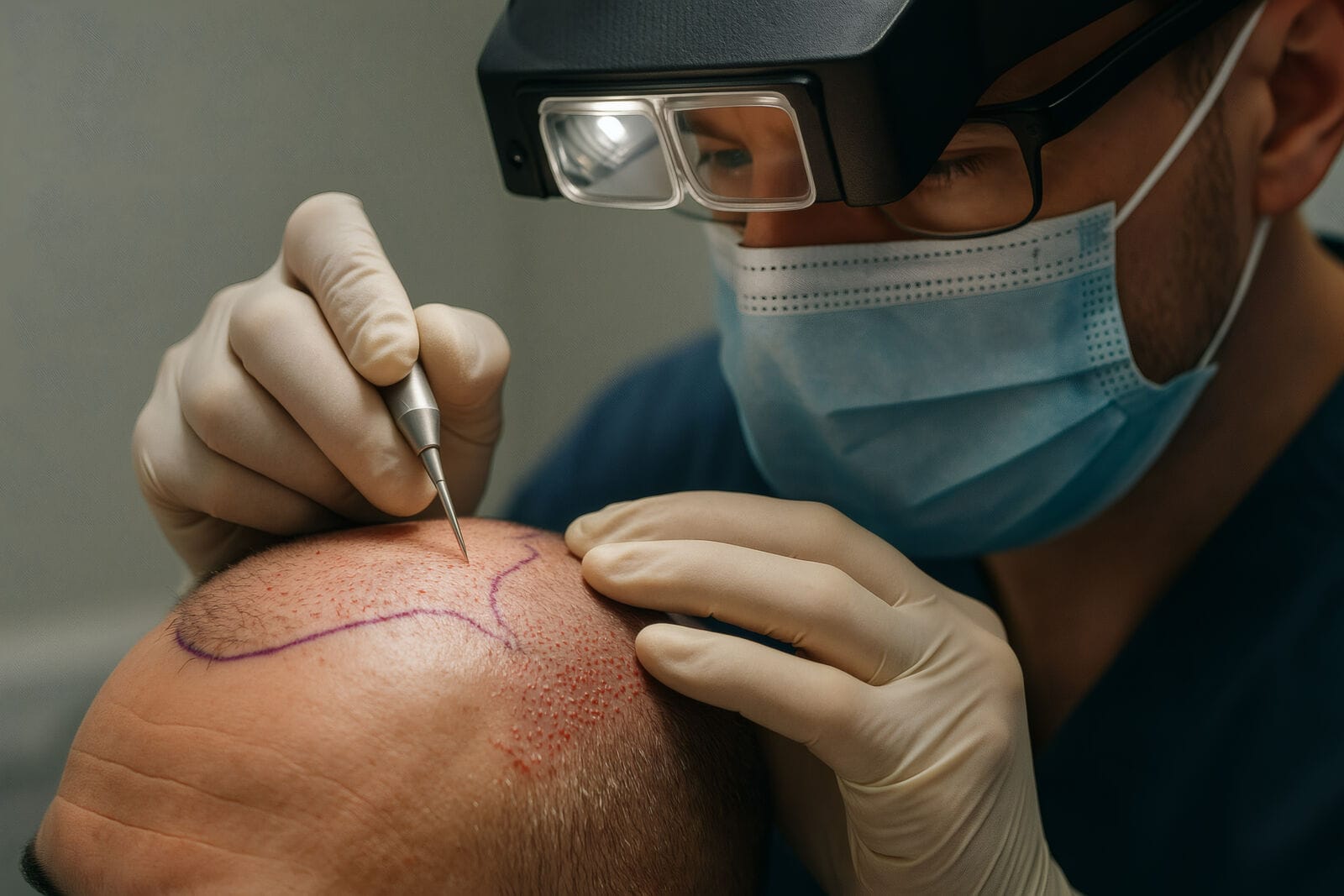
Most men do not wake up one morning and decide to get a hair transplant.
They watch their hair change slowly. They adjust how they style it. They avoid certain lighting. They compare old photos and tell themselves it is not bad enough yet. Then, one day, they realise they have been thinking about it for years.
Hazem Altal, the founder of UniquEra Clinic in Istanbul, has seen this pattern repeatedly in patient consultations. In his experience, many men do not describe the regret as being about the procedure itself. More often, the regret comes from waiting years before getting real answers about their options.
Delay Is Rarely Carelessness
Men who put off hair restoration are not ignoring the problem. Most of them are living with it every day. They are just trying to protect themselves from making the wrong decision.
The delay usually comes from a mix of things. Denial that it is progressing. Fear that a transplant will look unnatural. Worry about what colleagues or family will notice. Confusion about which treatment actually applies to their specific case. Hope that the right product will reverse it. Embarrassment about needing help with something so personal.
None of these responses are irrational. They are the normal reactions of someone trying to make a visible, long-term decision carefully. The problem is that most men navigate that process alone, without proper information, for far longer than they need to.
The Research Phase That Goes Nowhere
At some point, most men start researching. They read about DHI, FUE, Sapphire FUE, graft counts, donor area density, hairline design, recovery timelines. The information is available. But it is rarely presented in a way that answers the question they are actually asking.
The question is not which technique is best. The question is: does this apply to me? Is my donor area strong enough? What would my result realistically look like? Am I a suitable candidate right now, or would waiting make more sense?
Without a proper evaluation, those questions cannot be answered. So many men keep researching, keep comparing clinics, keep reading reviews, and still feel no clearer after months of looking. That uncertainty becomes its own kind of exhaustion.
Where Regret Tends To Appear
Altal is careful about how he frames this. Waiting does not automatically mean a worse outcome. Hair restoration has developed significantly, and many men who delayed for years still achieve good results.
But regret appears in a specific pattern. It is rarely about the procedure itself. It is about the years spent adjusting hairstyles, avoiding photographs, feeling quietly uncomfortable in professional and social settings, and never quite resolving the question. Men often describe wishing they had simply gotten a proper evaluation earlier. Not necessarily to rush into surgery, but to know where they stood.
That is a different kind of regret. Not about the result. About the uncertainty that went on longer than it needed to.
Why Hazem Altal Believes Clarity Should Come Earlier
Altal’s view is not that men should act faster. It is that men should get properly informed earlier.
In his words: “We educate you as a patient. Give you the facts. Show you options that make your results realistic.”
At UniquEra, a consultation is built around understanding the individual case, not around moving someone toward a booking. That means assessing how far the hair loss has progressed, reviewing the donor area honestly, explaining what result is achievable, and in some cases, recommending that surgery is not the right step yet. Medical treatment or monitoring may be more appropriate first. That answer is given when it is the right one.
A good consultation should reduce pressure, not create it. That principle is what Altal built the clinic’s consultation model around.
When Uncertainty Becomes The Problem
For many men, the turning point is not a dramatic moment. It is simply the realisation that they have been thinking about this for long enough. That the uncertainty itself has become more tiring than the decision would be.
Getting a proper evaluation does not mean committing to surgery. It means understanding what is actually happening, what the realistic options are, and whether now is the right time to act. Sometimes the answer is yes. Sometimes the better answer is to wait, monitor, and return in twelve months.
Either way, the man leaves knowing something real. That is worth more than another year of researching alone.
For men who have been thinking about hair restoration for years, the first step does not have to be surgery. It can be a private consultation to understand what is possible, what is realistic, and whether now is the right time.
About Hazem Altal:
Hazem Altal is the founder of UniquEra Clinic, a luxury hair transplant clinic in Turkey serving international patients across multiple countries.
UniquEra is built around a guided, patient-centered approach to hair restoration, from first consultation through to 12-month follow-up.
Learn more at uniquera.com