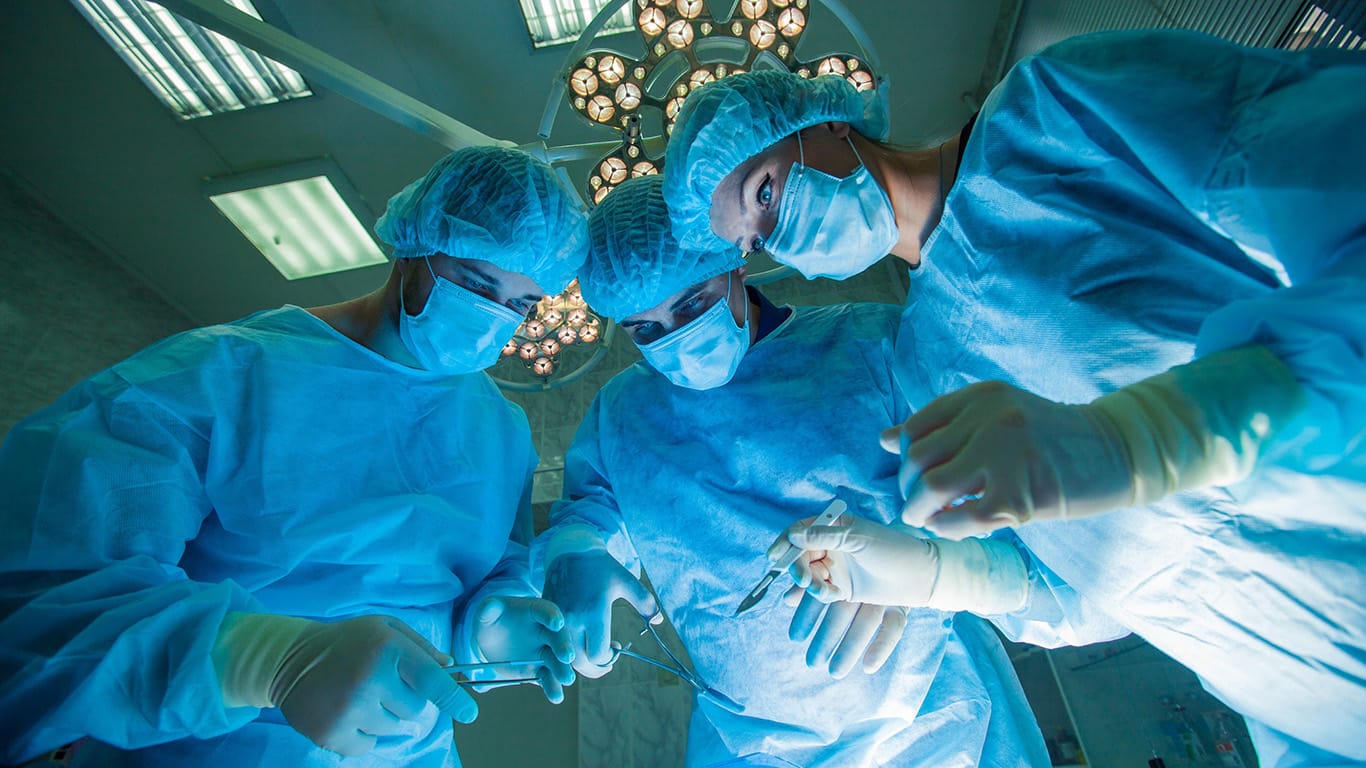
Hospitals are complex environments where lives often depend on how quickly professionals can respond to emergencies. Whether it’s a medical crisis, a security issue, or a disaster scenario, the ability to act rapidly and efficiently is crucial. While skilled staff and established procedures remain at the core of hospital response, modern technology plays an increasingly vital role in enhancing speed, coordination, and accuracy. Advances in communication tools, digital monitoring, and data-driven systems are transforming how hospitals manage emergencies, saving more lives and ensuring safer environments for patients and staff alike.

The Role Of Communication In Emergency Response
Effective communication is the backbone of any emergency response system. In hospitals, where multiple departments and teams must work together seamlessly, delays or miscommunication can cost valuable time.
Traditional phone systems or overhead paging are no longer sufficient to meet the demands of fast-paced, high-stakes situations. Many institutions are improving hospital security response time with two-way radios, which allow for instant, clear, and direct communication between staff members across departments. Unlike mobile phones, two-way radios provide reliable connections without the delays of dialing or dependence on cellular networks. Combined with modern dispatch software, they enable hospitals to coordinate staff more efficiently during emergencies, ensuring that the right people are informed and mobilized in seconds.
Leveraging Real-Time Location Systems (RTLS)
Beyond communication, knowing exactly where staff, equipment, and patients are located can dramatically accelerate response times. Real-time location systems (RTLS) use sensors, badges, or Wi-Fi connectivity to track assets and personnel throughout the hospital. In emergencies, this technology makes it possible to identify the nearest available specialist, locate critical equipment like defibrillators, or ensure that patients are safely evacuated.
RTLS supports security teams in tracking movement patterns and identifying bottlenecks during evacuations. For clinical staff, it means faster delivery of care and reduced delays caused by searching for resources. Data collected from RTLS can inform hospital design improvements, ensuring that emergency pathways remain clear and efficient.
Digital Monitoring And Smart Alarms
Traditional alarm systems often lack the sophistication to differentiate between routine alerts and critical emergencies. Modern hospitals are adopting smart alarm systems that integrate with electronic health records, patient monitoring devices, and centralized dashboards. These systems prioritize alerts based on severity, ensuring that urgent cases receive immediate attention.
If a patient’s vital signs suddenly drop, the system can automatically notify the nearest nurse, escalate the alert to physicians if necessary, and log the event for review. This reduces response time, minimizes human error, and ensures that patients receive care as quickly as possible. In security contexts, smart alarms tied to access control systems or surveillance networks can instantly notify staff of unauthorized entry or other risks.
The Power Of Mobile Health Applications
Mobile health (mHealth) apps are gaining traction in hospital emergency response. These applications allow staff to receive real-time updates, access patient records, and communicate through secure messaging systems. By integrating with hospital IT networks, mobile apps streamline coordination during emergencies.
For example, a code blue alert can be broadcast instantly to all relevant staff via their mobile devices, including details such as location and patient information. This ensures that responders are alerted quickly and arrive prepared. Mobile apps support post-event reporting and analysis, helping hospitals refine protocols and improve training for future emergencies.
Integrating Telemedicine Into Emergency Protocols
Telemedicine is no longer just a tool for outpatient care, it has become a valuable asset in emergency response as well. In rural or resource-limited hospitals, telemedicine allows specialists to provide immediate consultations during crises. For instance, stroke specialists can guide on-site teams through rapid assessments, ensuring that treatment begins as soon as possible.
Within larger hospitals, telemedicine enables cross-departmental collaboration without requiring physical presence. Surgeons, intensivists, or mental health professionals can quickly consult with emergency room teams via secure video connections, cutting down on delays and expanding access to expert input. This integration improves both the speed and quality of care during high-pressure situations.
Data Analytics And Predictive Technology
Data-driven decision-making is transforming how hospitals prepare for and manage emergencies. By analyzing patterns in patient admissions, seasonal illnesses, or staffing shortages, predictive analytics can anticipate potential surges in demand. This allows hospitals to allocate resources more strategically before emergencies occur.
During crises, real-time data dashboards provide visibility into bed availability, staff deployment, and patient flow. Predictive models can identify high-risk patients more likely to experience complications, allowing preventive measures to be taken. In the long run, these insights contribute to smarter resource planning, reducing bottlenecks and ensuring smoother responses to emergencies.
Building Resilient Security And Disaster Protocols
Hospitals must prepare for emergencies beyond patient care, including natural disasters, fires, and security threats. Modern technology enhances resilience by integrating building management systems, access control, and communication tools into unified emergency protocols.
Automated lockdown systems can be triggered during security incidents, while smart HVAC systems can manage air quality during chemical emergencies. Security teams benefit from integrated video surveillance and AI-powered analytics that detect unusual activity before it escalates. These systems, combined with drills and staff training, create a comprehensive safety net that protects everyone in the hospital.
Training And Simulation With Advanced Technology
Technology has transformed how hospitals prepare their staff for emergencies, making training more dynamic, realistic, and impactful. Traditional classroom instruction and tabletop exercises remain valuable, but advanced tools such as simulation software, virtual reality (VR), and augmented reality (AR) have raised training to an entirely new level. These platforms allow healthcare professionals to engage with lifelike scenarios in safe, controlled environments where mistakes become powerful learning opportunities rather than dangerous liabilities.
Virtual reality immerses staff in realistic emergency environments, replicating the stress and complexity of real-life situations. A VR module might simulate a mass casualty event, requiring triage decisions in seconds, or an infectious disease outbreak that challenges infection control protocols. Augmented reality, by overlaying digital elements onto physical spaces, helps staff rehearse specific responses, such as locating emergency equipment or practicing isolation procedures. Together, these technologies encourage active learning and give staff a deeper understanding of their roles during crises.

Modern technology is reshaping emergency response in hospitals, from communication tools like two-way radios to predictive analytics and advanced simulations. By improving coordination, accelerating information flow, and enhancing preparedness, these tools ensure that patients and staff receive the highest level of protection and care during crises. Hospitals that embrace these innovations position themselves to respond faster, minimize risks, and ultimately save more lives. As emergencies grow more complex, technology will continue to be the key to building safer, more resilient healthcare environments.